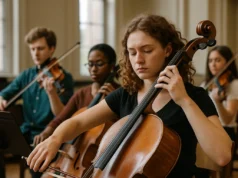





























Initiating a journey into the world of classical music often begins with the choice of the right instrument. For aspiring string players, selecting an appropriate beginner instrument is a critical step that influences technique development, engagement, and long-term interest. As 2025 unfolds, several factors are redefining what makes certain string instruments especially suitable for those new to the art.
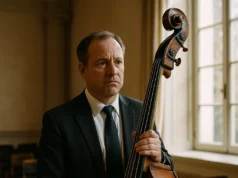
The broad category of string instruments includes violin, viola, cello, and double bass, each with distinct challenges and roles within ensembles. Traditionally, the violin has been the most common starting point, valued for its prominent repertoire and manageable size for younger players. However, teaching methods and market availability increasingly consider ergonomic design, affordability, and sound quality, leading to a more nuanced selection of beginner instruments.
Manufacturers and educators alike are focusing on instruments that balance quality craftsmanship with accessibility. Factors such as durable materials, reasonable pricing, and ease of play are paramount to encourage sustained practice and reduce early frustration. For example, many violins now come in smaller sizes tailored for children, while cellos benefit from innovations in lightweight endpins and fingerboard adjustments.
Additionally, the rise of online learning platforms and hybrid instruction influences the choice of beginner instruments. Instruments equipped with built-in pickups and compatibility with digital interfaces promote practice versatility and engagement with remote tutorials. This technological integration can enhance motivation and provide immediate feedback, which is vital during the formative stages of skill acquisition.
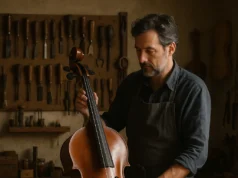
Understanding these trends is essential not only for learners and parents but also for educators and luthiers. The demand for entry-level instruments that do not compromise on sound or playability has encouraged a closer collaboration between musicians and makers. This interplay fosters continuous improvement in the beginner instrument market, ensuring that new generations of players begin with an instrument that supports both their technical growth and artistic expression.
Why this matters
- The suitability of beginner string instruments directly affects the learning curve and retention of new musicians.
- Musicians, educators, and instrument makers are impacted as they must align on quality, affordability, and accessibility.
- Technological integration in beginner instruments may transform early music education methodologies.
- Trends in entry-level instruments can influence long-term preferences and professional pathways within classical music.
- Monitoring these developments offers insight into how classical music education adapts to contemporary needs and challenges.
— The Violin Post Editorial Staff