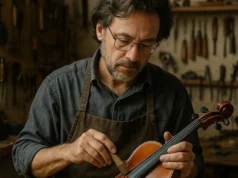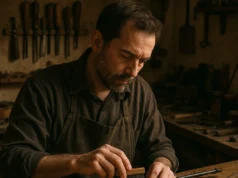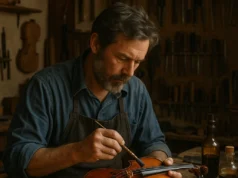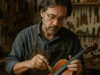

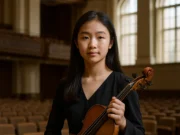
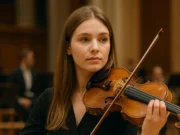
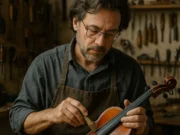
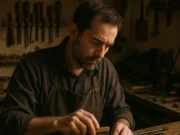
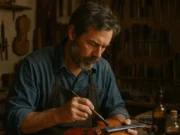
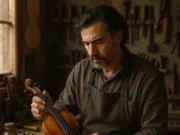
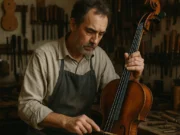
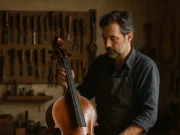
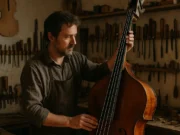
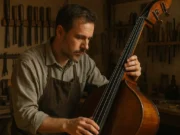
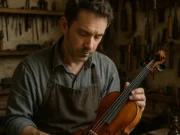

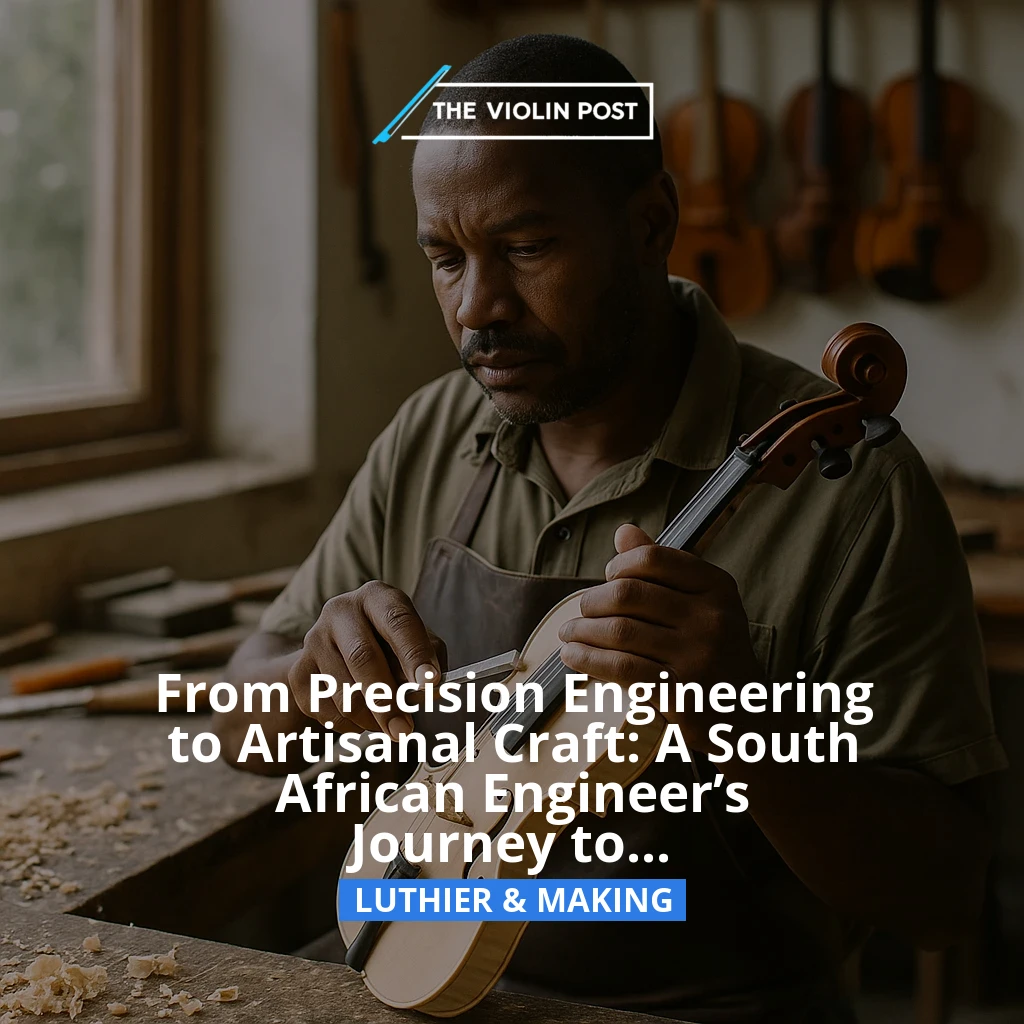
In a move that bridges the worlds of mechanical engineering and fine musical craftsmanship, a South African professional has left behind a career in engineering to dedicate himself fully to the art of violin making. This transition highlights a fascinating intersection where scientific precision meets centuries-old lutherie traditions, a path that resonates with musicians, instrument makers, and aficionados within the classical music ecosystem.
Engineering Skills Informing the Craft of Lutherie
The finely tuned skillset demanded in mechanical engineering finds a unique and compelling application in the meticulous work of constructing violins. The engineer’s rigorous background offers advantages in understanding the physical properties of wood, the acoustics of sound production, and the precision shaping required for optimal tonal quality. This analytical perspective complements the inherently artistic demands of lutherie, where subtle variations in craftsmanship can dramatically influence an instrument’s voice.
Instruments crafted with such care impact performers profoundly; a violin’s responsiveness and character are critical to a musician’s expressive palette. Having an engineer’s methodical approach potentially enriches the creation process, promising instruments that not only adhere to aesthetic and historical standards but also embody enhanced structural and acoustic reliability.
Implications for Performers, Students, and the Classical Music Community
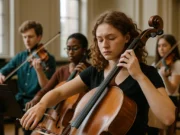
This professional pivot also speaks to broader trends in the classical music industry, where interdisciplinary skills increasingly inform artistic production and education. For violinists and string players, the availability of instruments crafted by makers with technical and engineering expertise may offer new tonal possibilities. For students, the story underscores the diverse pathways one can take toward a career intertwined with music, extending beyond performance to craftsmanship and preservation of instrumental heritage.
Moreover, this movement from engineering into violin making reflects on the challenges and aspirations molecules of the wider cultural landscape: sustaining artisanal traditions in a modern context, ensuring high-quality instruments remain accessible, and encouraging innovation without forsaking the roots laid by historical masters. Collectors and institutions concerned with the preservation of musical heritage may also find significance in how such craftsmanship evolves.
Looking Ahead: A Confluence of Tradition and Innovation
The confluence of engineering and violin making in this individual’s story exemplifies the evolving dialogues between science and art within classical music. As makers incorporate contemporary knowledge into traditional practices, the field may witness novel developments in instrument design and construction, potentially influencing tonal standards and educational practices.
Sustained by such cross-disciplinary journeys, the classical music community stands to benefit from fresh perspectives that honor craftsmanship’s heritage while embracing precision and innovation. Observers may anticipate future contributions from this maker that exemplify this blend, possibly inspiring others who straddle technical and artistic worlds to pursue their passions in lutherie.
Why this matters
- This story highlights the relevance of interdisciplinary approaches to the art of violin making, underscoring how engineering skills can enhance craftsmanship.
- Performers and students gain insight into how instrument quality and innovation may evolve through such unique maker backgrounds.
- It opens a conversation about career versatility in the classical music sphere, showcasing alternative professional trajectories.
- Collectors and institutions focused on musical heritage might consider the impact of such makers on the sustainability and evolution of their holdings.
- Readers should watch for emerging luthiers with technical expertise, as they may influence modern instrument construction and acoustics.
Related topics
- The role of craftsmanship in sustaining classical music traditions
- How interdisciplinary skills contribute to innovation in musical instrument making
- Career pathways beyond performance in the classical music industry
— The Violin Post Editorial Staff