






















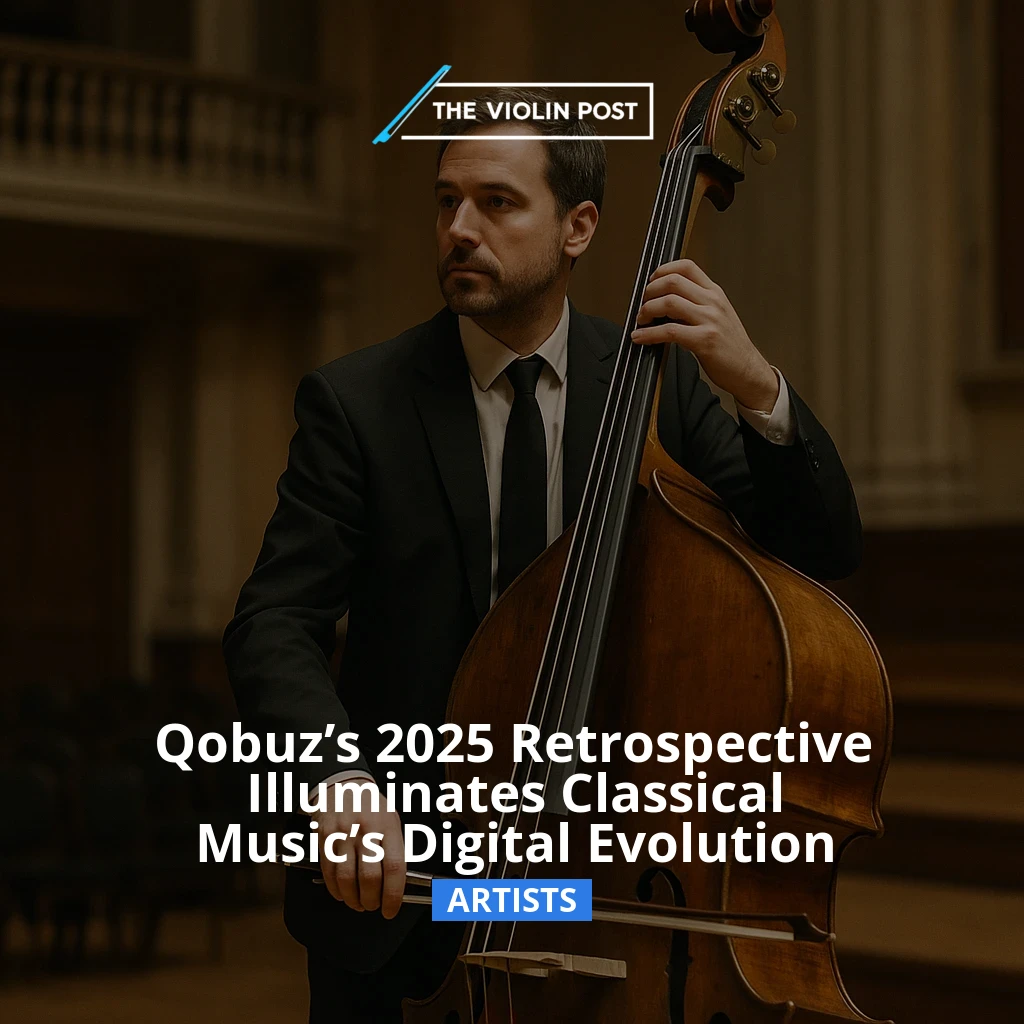
Qobuz, the French music streaming and download service renowned for its commitment to high-resolution audio, has launched its much-anticipated 2025 Retrospective. This annual review offers more than a simple summary; it serves as a lens through which to view the shifting dynamics of classical music consumption in the digital age. While details remain tightly held, the retrospective promises a thoughtful examination of how Qobuz continues to influence both the listening public and the classical music ecosystem at large.
Tracing the Contours of a Changing Landscape
Since its inception, Qobuz has distinguished itself by prioritizing audio fidelity and an extensive classical catalogue, catering to connoisseurs and professionals alike. The 2025 Retrospective reflects on these founding principles while charting evolving listening trends. Digital platforms have long played a critical role in democratizing access to classical music, but they also raise questions about how this access affects performers, smaller labels, and traditional institutions.
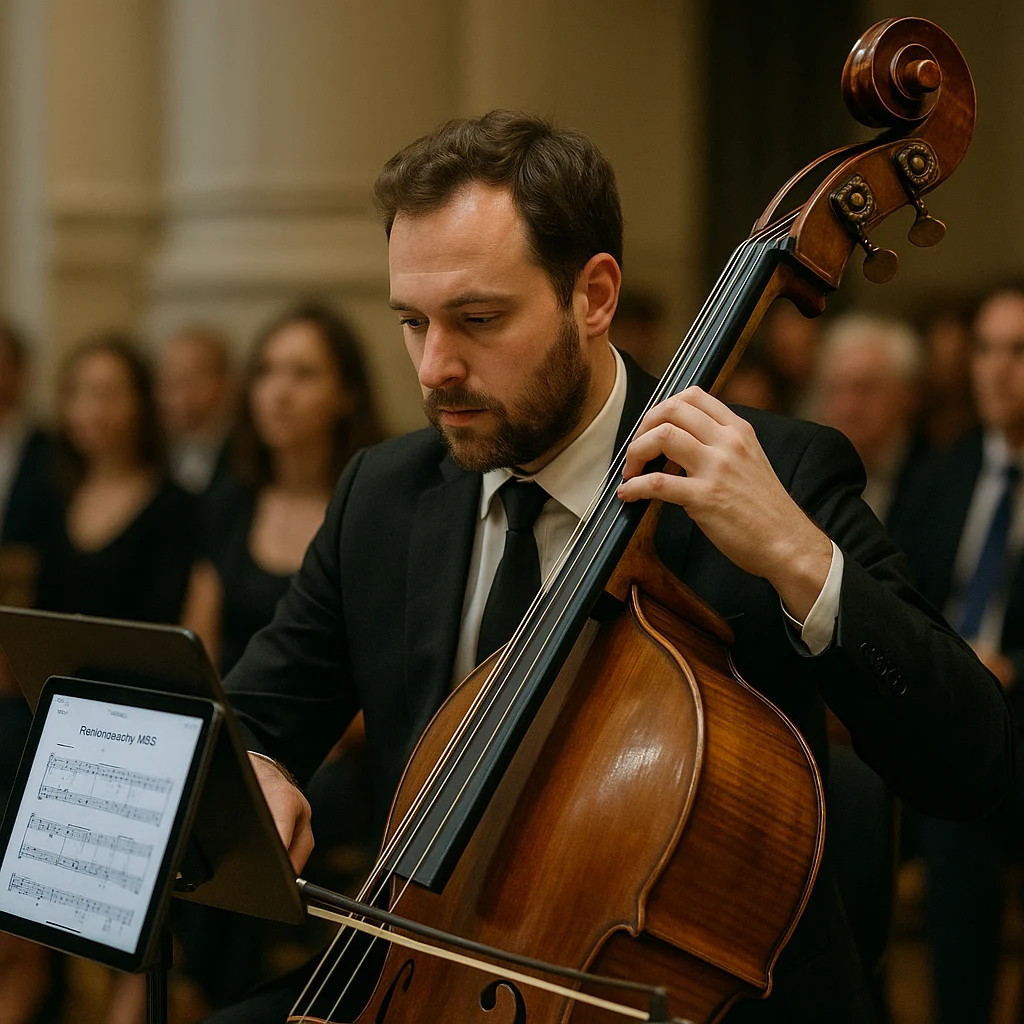
The retrospective is expected to explore how Qobuz’s editorial and technical approaches have supported emerging artists and helped maintain interest in both historic and contemporary repertoires. For luthiers, orchestras, and festivals, the platform’s impact on visibility and audience reach represents an important facet of their public presence in an increasingly virtual marketplace.
Implications for Performers, Listeners, and the Industry
For musicians and ensembles, Qobuz’s emphasis on high-quality streaming and downloads has opened up new avenues for presenting recordings that faithfully capture the nuances of performance and instrument craftsmanship. This is particularly pertinent for violinists, violists, cellists, and double bass players whose artistry depends on subtle tonal distinctions. The retrospective will likely underscore these enhancements and perhaps suggest how such platforms might better serve professional development and audience engagement in the future.
On the listener’s side, the shift toward on-demand, lossless audio contributes to a richer auditory experience, challenging streaming services to balance accessibility with quality. Collectors and aficionados who value sound quality find in Qobuz a platform aligned with their preferences, while educational institutions and students benefit from curated content that supports deeper musical understanding.
The retrospective’s insights, therefore, resonate through the entire classical music community—from instrument makers and performers to programmers and listeners—highlighting the interconnectedness of creation, preservation, and dissemination in the digital era.
Why this matters
- Qobuz’s reflective review provides key insights into digital trends affecting classical music consumption and production in 2025.
- Performers and luthiers gain perspective on how streaming platforms impact artistic presentation and instrument appreciation.
- Listeners benefit from understanding evolving options for accessing high-fidelity classical recordings.
- The retrospective informs institutions and festivals about digital strategies relevant for audience outreach and engagement.
- Observers should watch for ensuing discussions on balancing accessibility with preservation of artistic and sonic integrity.
Related topics
- The role of high-resolution audio in preserving musical heritage.
- How digital platforms shape career pathways for classical musicians.
- Innovations in streaming technology and their effects on listener experience.
Editorial Commentary
Artist-focused coverage is especially valuable because careers in the string world are built not only through performances, but through repertoire choices, collaborations, educational paths, and the ability to connect with audiences over time.
Seen from that perspective, this story helps readers place the featured musician within a broader professional and artistic conversation that matters to performers, presenters, students, and listeners alike.
About The Violin Post
The Violin Post is an international editorial platform dedicated to violin making, classical performance, competitions, instruments, and the wider culture of the string world.
Its coverage connects news reporting with specialist context for readers interested in performers, makers, educators, institutions, and musical heritage.
Related Articles
- “The Violin in Pop Rock: Freedom, Identity and Virtuosity” – An Exclusive Interview with Lisa Agnelli
- BBC Proms Highlights Ten Emerging Artists Aged 30 and Under
- Chloe Chua Officially Joins Larsen Strings’ Esteemed Artist Roster
— The Violin Post Editorial Staff