





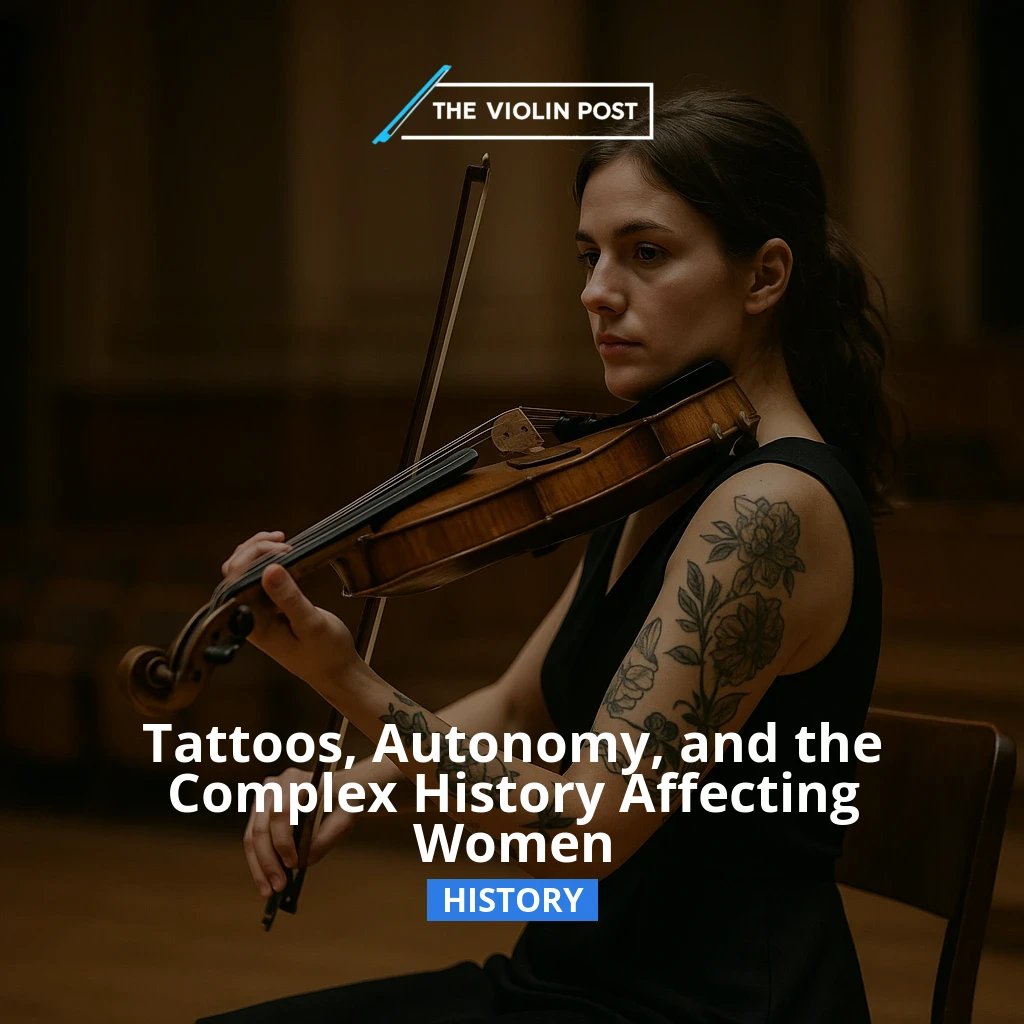
The act of tattooing has long been a powerful form of personal expression and bodily autonomy. For many individuals, especially women, tattoos can signify control over one’s own body and identity. Yet, beneath this contemporary understanding lies a complex and often troubling history marked by misogynistic themes.
The Personal and Cultural Dimensions of Tattoos
Historically, tattoos have carried various meanings across global cultures—from rites of passage, spiritual symbols, to markers of social status. In recent decades, tattoos have surged in popularity among diverse demographics, becoming a commonplace way for people to visually narrate their stories, affirm personal values, or reclaim agency.

For women, in particular, tattoos can be a declaration of independence. The choice to adorn one’s body with ink is an act of self-definition, often pushing back against societal pressures about femininity and appearance. This makes the tattoo not only an artistic statement but also a political one, standing as a counter-narrative to traditional expectations of female decorum and control.
Confronting a Misogynistic Past
Despite its empowering facets, the practice of tattooing has not been free from problematic influences. Certain historical contexts reveal the use of tattoos as instruments of control or oppression, particularly targeting women. For example, some tattooing traditions or symbolic imagery have perpetuated gendered stereotypes or have been employed in punitive ways against marginalized groups.
This uneasy legacy prompts a critical reflection on how the language of tattooing intersects with gender politics. Understanding these dynamics is crucial for appreciating why bodily autonomy through tattooing holds special significance for women, while also acknowledging the shadows cast by past injustices embedded in the medium’s history.
Implications for Contemporary Practitioners and Audiences
This nuanced background influences several stakeholders within the cultural ecosystem surrounding body art. Artists, collectors, and enthusiasts must navigate these historical layers thoughtfully, fostering dialogue that respects both personal empowerment and cultural sensitivities.
Moreover, performers, students, and educators engaged with classical music and broader artistic heritage often encounter body art as an extension of identity expression in modern contexts. As the arts increasingly embrace diversity in presentation and style, awareness of tattooing’s complex heritage enriches conversations about self-representation and social dynamics.
Looking Ahead: Evolving Interpretations and Practices
The conversation surrounding tattooing and bodily autonomy continues to evolve. Advocates emphasize reclaiming tattoo culture from past prejudices by promoting inclusivity and dismantling lingering misogynistic narratives. This evolution aligns with wider cultural shifts toward gender equity and empowerment.
Educational initiatives, community dialogues, and research into tattoo histories can further illuminate the practice’s multifaceted nature. Such efforts help ensure that today’s tattoos do not merely replicate problematic traditions but instead contribute to a more nuanced and just cultural landscape.
Why this matters
- Tattooing remains a significant mode of bodily autonomy, especially impactful for women reclaiming personal agency.
- Understanding the misogynistic aspects of tattoo history is essential for contextualizing contemporary practices.
- Artists, performers, and cultural institutions benefit from awareness of tattoo culture’s complexities to foster respectful expression.
- The evolving dialogue around tattoos reflects broader trends in gender politics and artistic representation.
- Readers should watch for new scholarship and cultural discussions that further unpack tattooing’s multifaceted legacy.
Related topics
- The role of body art in challenging traditional gender norms
- Historical perspectives on symbolism and meaning in tattoo culture
- Intersections of performance art, identity, and personal expression in contemporary classical music
Editorial Commentary
Historical coverage is essential because the string world is built on continuity: repertories, techniques, schools of craftsmanship, and performance traditions all gain meaning when they are understood in relation to what came before.
Articles like this therefore do more than document the past; they help readers interpret the present through a stronger awareness of musical heritage and of the people and ideas that shaped it.
About The Violin Post
The Violin Post is an international editorial platform dedicated to violin making, classical performance, competitions, instruments, and the wider culture of the string world.
Its coverage connects news reporting with specialist context for readers interested in performers, makers, educators, institutions, and musical heritage.
Related Articles
- Amplifying Voices: Celebrating Women in Classical Music Through Curated Playlists
- The Myth of Nero’s Fiddle: Separating Fact from Fiction in Ancient Rome
- Nashville Woman Recognized as First Recorded Black Female Violin Maker in the U.S.
— The Violin Post Editorial Staff