

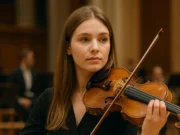
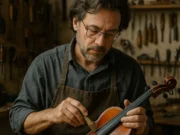
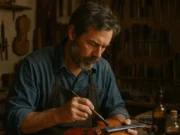
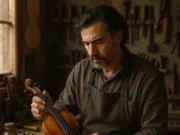
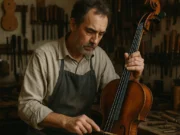
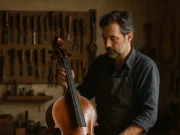




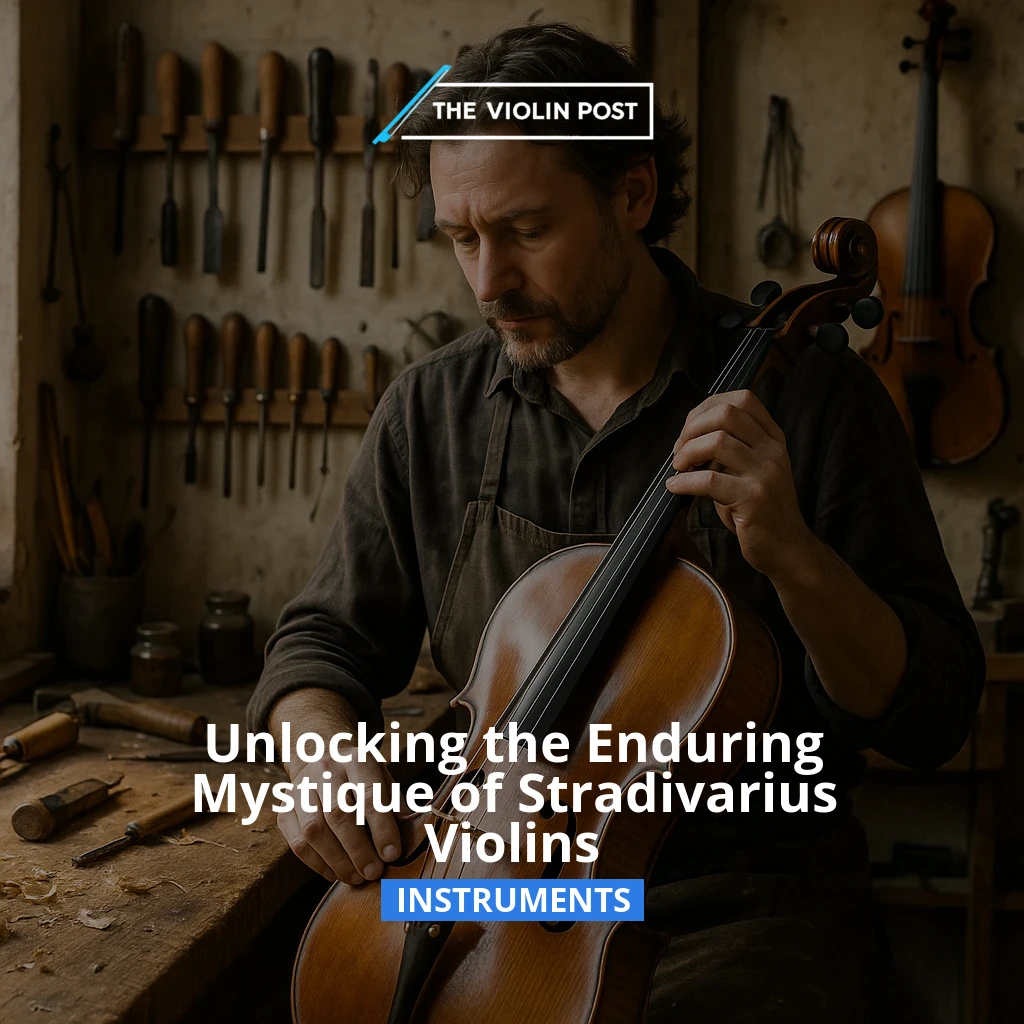
Among the most revered instruments in the classical music realm, Stradivarius violins occupy a unique pedestal of admiration and fascination. Crafted in the late 17th and early 18th centuries by Antonio Stradivari, these violins are celebrated not only for their exquisite craftsmanship but also for a tonal quality that has eluded replication, prompting ongoing intrigue within the music and lutherie ecosystems.
The Legacy of Antonio Stradivari and His Craft
Antonio Stradivari, an Italian luthier from Cremona, stands as a towering historical figure whose instruments remain benchmarks of violin making. His violins were meticulously fashioned during a golden era of string instrument development, combining superior materials, intricate design, and innovative techniques. Stradivari’s workshop set standards for the shape, arching, and varnish application that resonate in violin making to this day.
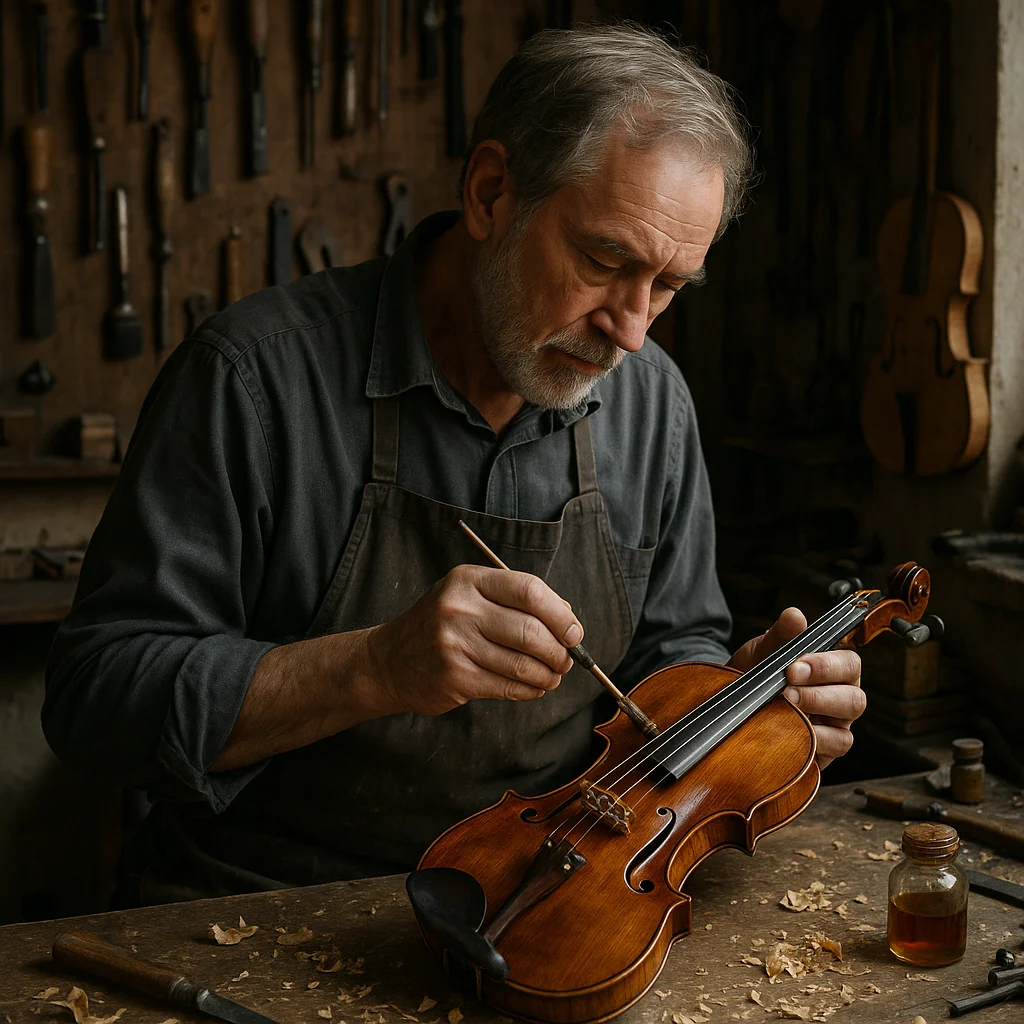
The Stradivarius violins are seldom just functional musical tools; they are tangible artifacts of a bygone craftsmanship tradition. Their nearly 350-year-old heritage involves a fusion of natural materials and highly specialized skill, with wood selection and treatment theories closely debated by experts. This blend contributes to their capacity for a rich, powerful, and nuanced sound that has become synonymous with the Stradivarius name.
Impact on Performers and the Broader Musical World
For generations, soloists and orchestral musicians have sought out Stradivarius violins for their unparalleled ability to project and color tone across concert halls. Their reputation directly influences performance practice and artistic interpretation within classical music. The pursuit of securing or even approaching the quality of a Stradivarius instrument shapes acquisition priorities among performers, collectors, and foundations alike.
Beyond individual artistry, Stradivarius instruments contribute significantly to our understanding of material science, acoustics, and conservation in musicology and lutherie research. Their sustained study informs modern makers aiming to blend tradition with innovation, while conservators face challenges preserving these priceless icons for future generations.
Institutions and audiences are also stakeholders in the story. Museums showcase Stradivarius violins as cultural treasures, and their presence in concerts often draws public and media attention, reinforcing classical music’s continuing relevance and allure.
Future Outlook: Preservation and Research
Current advancements in technology, such as CT scanning and acoustic analysis, allow deeper investigation into Stradivari’s production methods. Researchers hope to unlock secrets harbored in the instrument’s wood structure and varnish composition, potentially guiding new approaches in violin building.
Simultaneously, the high value and fame of Stradivarius instruments underscore the necessity for meticulous preservation standards and responsible stewardship. Institutions and private owners face the task of balancing access, security, and conservation, ensuring these violins retain their sound and physical integrity without compromising their accessibility to musicians.
Ultimately, the Stradivarius mystique will persist as a bridge between history and contemporary artistic expression, influencing how classical music embraces its heritage while exploring new frontiers.
Why this matters
- Stradivarius violins represent a pinnacle of historical craftsmanship with ongoing influence on modern violin making and performance.
- Performers, luthiers, collectors, and researchers are directly affected by the instruments’ legacy and preservation.
- Understanding Stradivarius violins deepens appreciation for classical music’s cultural heritage and technological evolution.
- New scientific investigations may inspire innovations in instrument construction and conservation.
- The continued prominence of these violins helps maintain audience interest and institutional support for classical music.
Related topics
- The role of wood selection and treatment in violin acoustics
- Contemporary lutherie: blending tradition and innovation
- How historic instruments shape soloist interpretations and repertoire choices
Editorial Commentary
Instrument-centered articles are valuable because they connect sound, materials, construction, and performance practice. For specialists and enthusiasts alike, they provide insight into the physical objects that stand at the heart of musical interpretation.
Read in a broader way, this type of story helps explain why the history and evolution of the $instrument_label still matter today to makers, performers, collectors, educators, and serious listeners.
About The Violin Post
The Violin Post is an international editorial platform dedicated to violin making, classical performance, competitions, instruments, and the wider culture of the string world.
Its coverage connects news reporting with specialist context for readers interested in performers, makers, educators, institutions, and musical heritage.
Related Articles
- Historic and Contemporary Instruments at Music@Menlo Illuminate Artistic Collaboration and Instrument Heritage
- Paul McCartney Reflects on the Legacy of Höfner, Craftsperson of His Legendary Bass
- The Cello’s Resonant Voice Finds Ground in Jazz Music
— The Violin Post Editorial Staff