

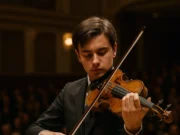
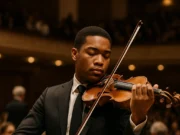
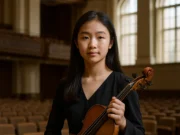
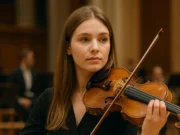
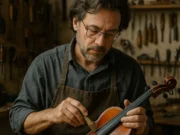
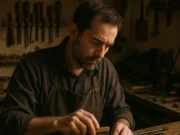
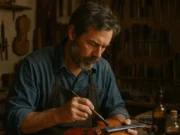
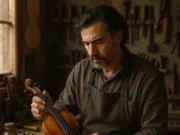
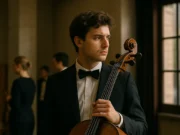
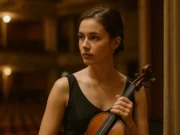

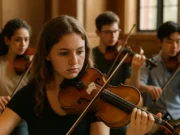



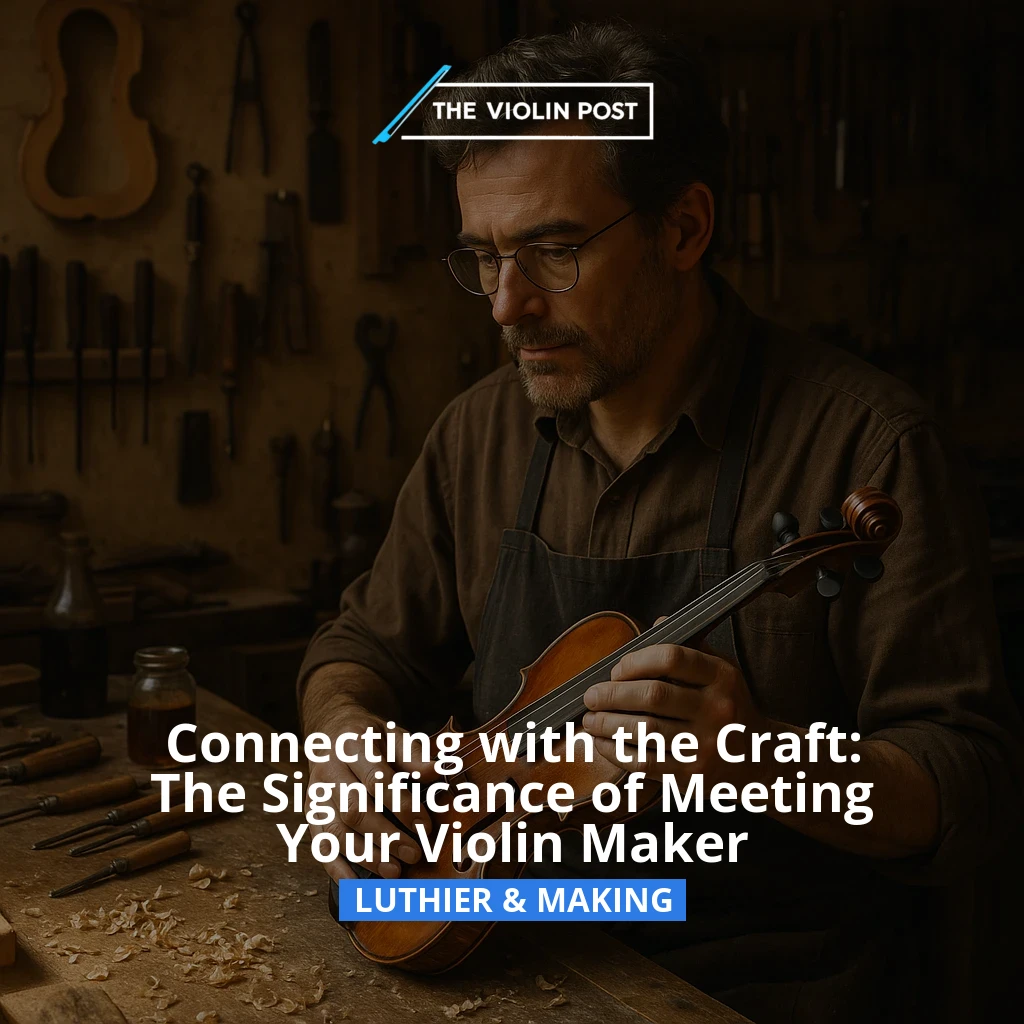
For any violinist, the instrument is more than a tool—it is an extension of the player’s voice and artistic identity. Yet, beyond the strings and varnish lies the hand of the maker, whose craft shapes every nuance of sound and response. A recent inquiry posed to violinists, asking whether they have met their instrument’s maker, opens a window into a seldom-explored relationship that bridges tradition, technique, and personal connection.
The Artisans Behind the Sound
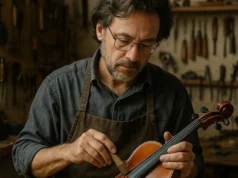
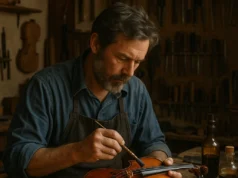
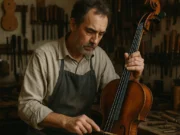
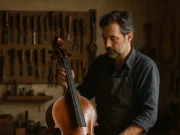
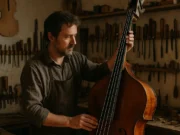
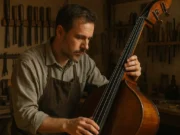
Violin-making is a centuries-old craft blending woodworking, acoustics, and artistry. While names like Stradivari and Guarneri are legendary, countless contemporary luthiers continue this heritage with dedication and innovation. Meeting these makers offers performers insight not only into the physical construction of their instrument but also into the philosophies and subtleties informing its character.
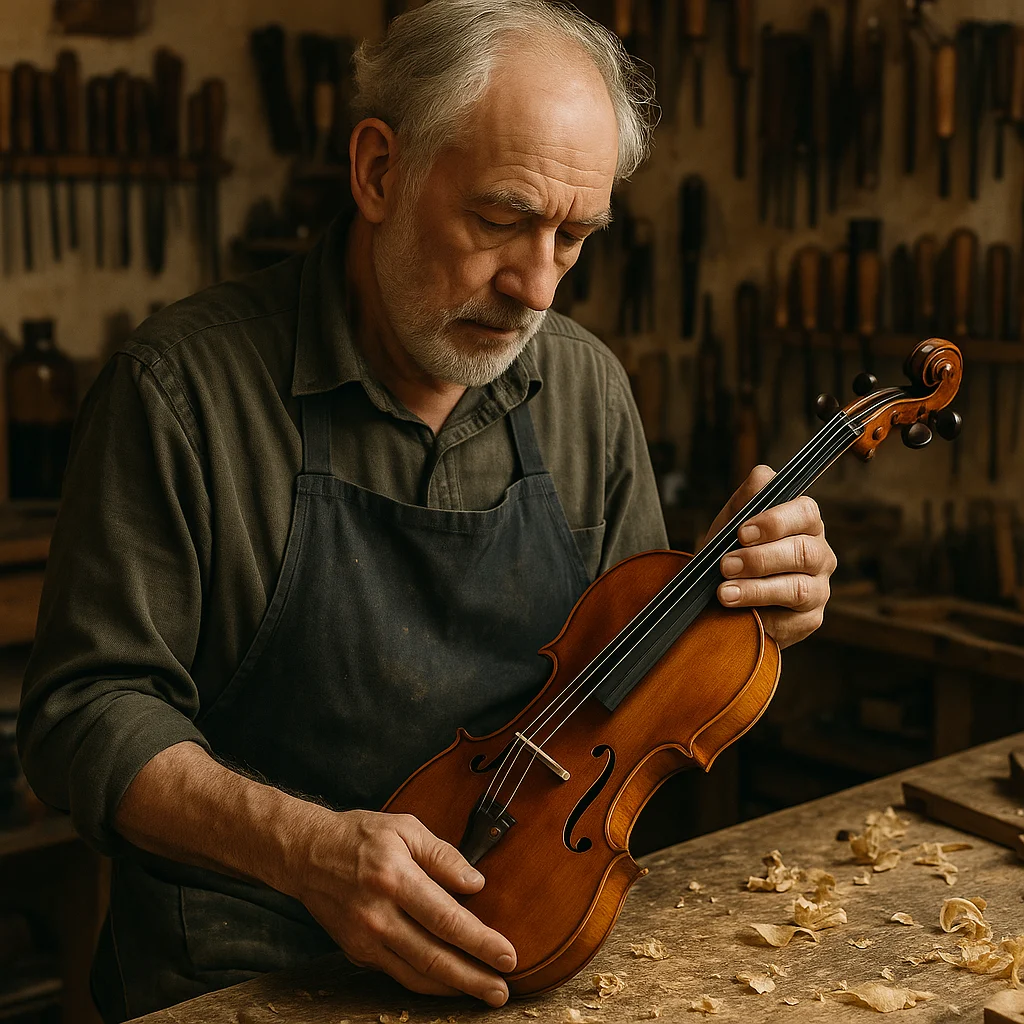
Such encounters can deepen a musician’s appreciation of their instrument’s idiosyncrasies, from the choice of wood and varnish to the precise carving of the scroll. For students and professionals alike, direct dialogue with a luthier can illuminate maintenance considerations, optimal setup, and potential customizations that suit personal playing style or repertoire demands.
Why Violinists and Makers Rarely Meet
Despite the benefits, many violinists never have the chance to meet the person who crafted their instrument. This is often due to the way instruments change hands—through sales, auctions, or loans—without intermediaries facilitating contact with the maker. Additionally, some players acquire older or vintage instruments whose makers are long deceased, or purchase through dealers who act as a buffer.
In contrast, young artists who commission new instruments or work closely with contemporary makers may enjoy a more engaged, ongoing relationship. This connection can foster a sense of shared ownership in the instrument’s evolving voice and contribute to a greater sense of care and understanding.
Such interactions also highlight the often underappreciated role of luthiers in the classical music ecosystem, where their work is crucial to artistic expression but frequently remains behind the scenes. Encouraging more transparency and communication between players and makers could enrich the musical community as a whole.
Implications for Performers and the Broader Music World
For performers, having met their maker can be transformative. It can influence how they approach practice, sound production, and interpretation, informed by an intimate knowledge of the instrument’s capabilities and limitations. This nuanced relationship may offer a competitive edge in competitions or auditions, where tonal quality and responsiveness matter deeply.
For makers, engaging with musicians provides valuable feedback that can inspire refinements and innovations in design. Such dialogue supports the continuity of violin-making traditions adapted to contemporary artistic needs.
Moreover, institutions, orchestras, and educators can benefit from fostering stronger ties between players and luthiers. This could take form in workshops, residencies, or educational programs highlighting instrument craftsmanship as integral to musicianship.
Looking Ahead: Bridging the Gap
As classical music embraces new technologies and audiences, revisiting the essential relationship between violinist and maker holds enduring value. Opportunities to meet the artisan behind one’s instrument can humanize the craft, connect past and present traditions, and cultivate an enriched musical experience.
Encouraging dialogue and collaboration across generations of makers and musicians promises to sustain the vibrancy of string playing well into the future.
Why this matters
- The link between violinist and maker profoundly influences the instrument’s voice and the performer’s artistry.
- This relationship impacts students, professionals, makers, and educators within the classical music community.
- Understanding the maker’s role fosters appreciation for craftsmanship often overlooked in performance-driven environments.
- Enhancing communication between players and luthiers can lead to improved instruments and enriched musical interpretation.
- Exploring this subject encourages institutions to integrate lutherie into educational and professional frameworks.
Related topics
- The role of contemporary luthiers in shaping modern violin performance.
- How instrument provenance influences interpretation and valuation.
- Educational initiatives connecting young musicians with instrument makers.
Editorial Commentary
Coverage related to violin making is important because instruments are never separate from the musical culture around them. Craftsmanship, tonal research, restoration practice, and workshop traditions all influence how performers experience and present sound.
In this context, stories connected to makers and workshops help readers see how the legacy of the $instrument_label is preserved, interpreted, and renewed through the work of contemporary luthiers and institutions.
About The Violin Post
The Violin Post is an international editorial platform dedicated to violin making, classical performance, competitions, instruments, and the wider culture of the string world.
Its coverage connects news reporting with specialist context for readers interested in performers, makers, educators, institutions, and musical heritage.
Related Articles
- From Precision Engineering to Artisanal Craft: A South African Engineer’s Journey to Violin Making
- Trailblazing in Luthiery: Nashville’s First Recorded Black Female Violin Maker
- Evie Woods Discusses Her Novel ‘The Violin Maker’s Secret’
— The Violin Post Editorial Staff