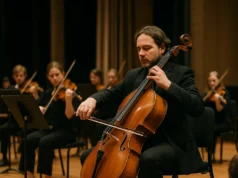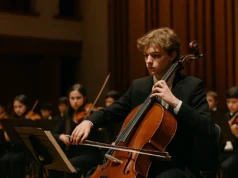

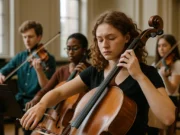
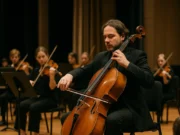
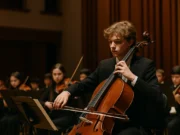
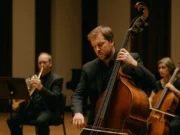
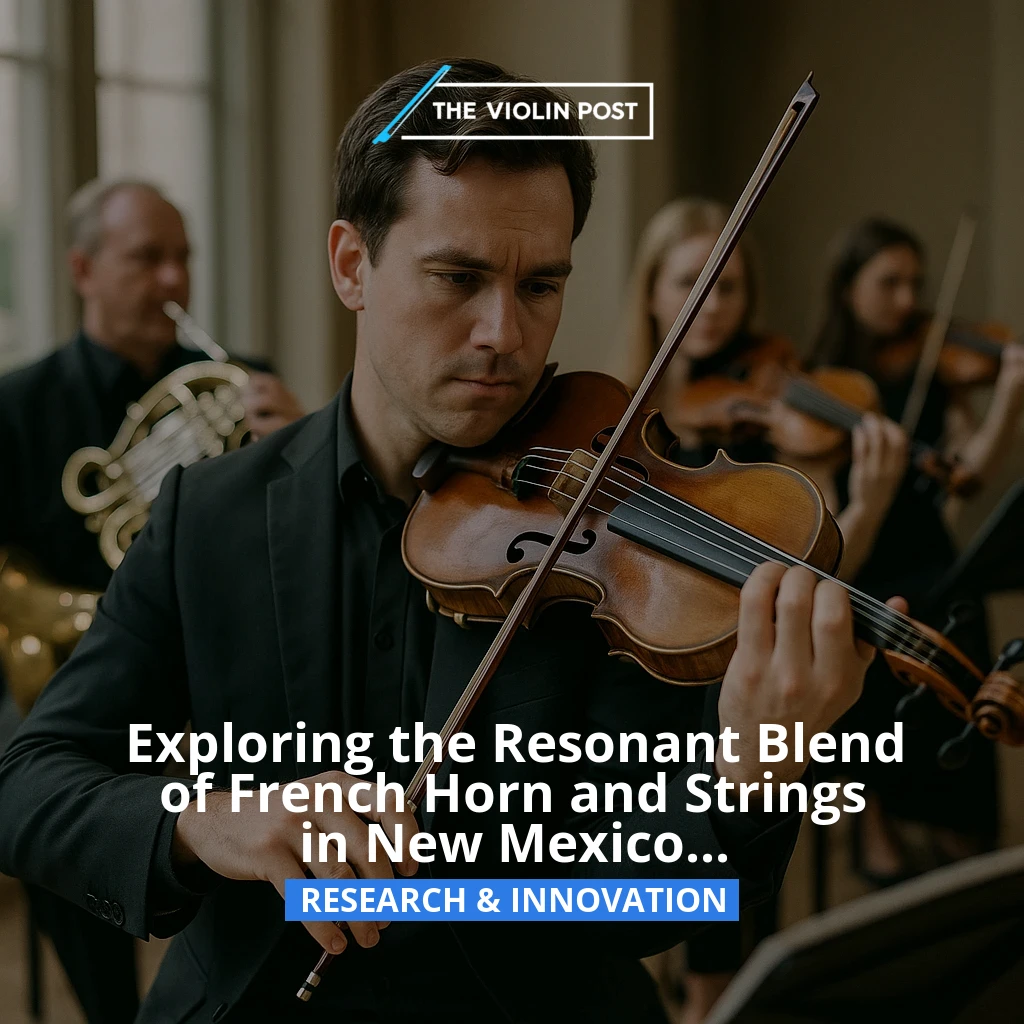
New Mexico Tech’s Presidential Chamber Music Series has once again drawn attention to the nuanced interplay between winds and strings by dedicating its third concert to the French horn accompanied by string instruments. This concert series, known for presenting thoughtful programming, brings to the forefront a repertoire that challenges traditional chamber music formats while enriching the listener’s experience with unique tonal blends.
A Tradition of Chamber Music with a Contemporary Lens
Chamber music occupies a special niche in the classical music landscape, characterized by its intimate settings and close collaboration among musicians. New Mexico Tech’s series taps into this tradition but distinguishes itself by spotlighting ensembles that go beyond the usual string quartets or piano trios. The French horn, with its warm, rounded sound, often associated with orchestral and solo works, finds a distinct voice alongside strings in this series—an ensemble combination that has intrigued composers and performers alike for its expressive potential.
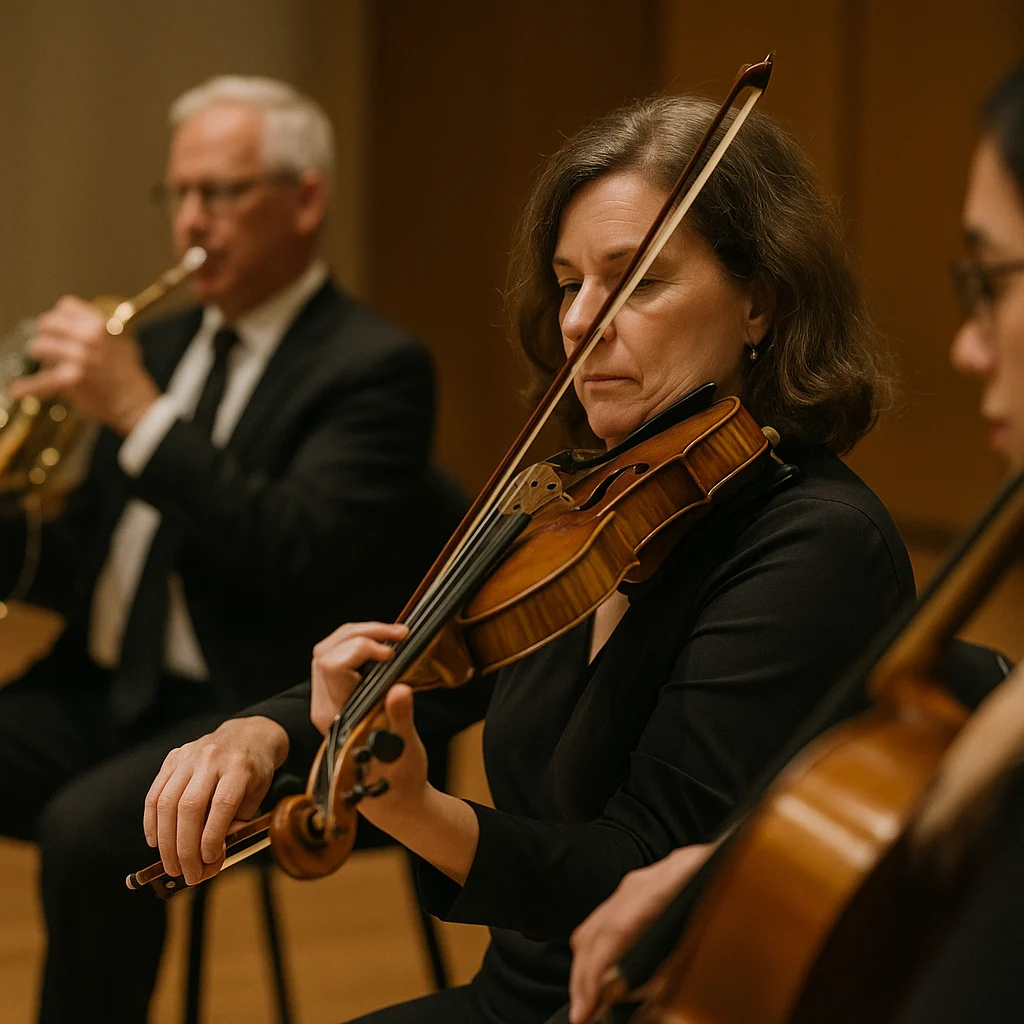
By programming French horn with strings, the series not only broadens the sonic palette but also invites audiences and practitioners to engage with a repertoire that traverses centuries—from classical foundations to 20th and 21st-century innovations. For performers, this setting offers an opportunity to explore intricate dialogues between the horn’s lyrical qualities and the strings’ versatile textures, pushing ensemble cohesion and interpretative depth.
Impact on Performers, Listeners, and the Musical Community
For musicians at New Mexico Tech and visiting artists participating in the Presidential Chamber Music Series, such programs serve as vital platforms for artistic growth and collaboration. They confront technical challenges and interpretive intricacies unique to the horn and string combination, thereby refining ensemble skills and expanding their chamber music repertoire.
Audience members benefit from experiencing a repertoire that is less frequently performed, gaining insight into the nuanced chemistry between horn and strings. This exposure not only enriches their appreciation of chamber music but also fosters support for diverse programming, which is essential to the vitality of classical music in regional institutions.
Within the broader ecosystem of classical music education and concert life, initiatives like New Mexico Tech’s series reinforce the importance of institutional support for chamber music. They contribute to sustaining a vibrant community where emerging musicians, educators, and enthusiasts can engage deeply with the art form. Such programs also often stimulate interest among composers to write for less conventional ensembles, a development that nurtures continued relevance and innovation in classical music.
Looking Ahead: The Role of University-Based Chamber Music Series
University-led chamber music series play a crucial role in integrating education and public engagement. As New Mexico Tech’s Presidential Chamber Music Series illustrates, sustained commitment to high-calibre, thoughtfully curated concerts enriches campus life and extends cultural offerings to surrounding communities.
Future installments can be anticipated to maintain this standard of artistic inquiry, potentially exploring other unconventional instrumental combinations. This will not only serve pedagogical aims but also enhance the musical landscape by championing both historical and contemporary works. The continuing success of such series depends on ongoing support, audience cultivation, and collaboration across departments and disciplines.
Why this matters
- Highlights an innovative chamber music program that focuses on less common instrumentation, expanding repertoire and sonic possibilities.
- Provides significant artistic development opportunities for emerging and established musicians engaged in this ensemble format.
- Enhances cultural offerings in academic settings, fostering community engagement with chamber music.
- Encourages the composition and performance of nontraditional chamber works, sustaining the evolution of classical music.
- Offers a listening experience that broadens audience appreciation and awareness of diverse instrumental collaborations.
Related topics
- The role of university music programs in shaping chamber music performance and education.
- Exploring nontraditional instrument combinations in chamber music repertoire.
- How chamber music series contribute to community cultural life beyond major metropolitan centers.
Editorial Commentary
Research and innovation stories matter because they reveal how the world of string instruments continues to evolve through acoustics, materials science, pedagogy, technology, and new forms of collaboration between artists and specialists.
For readers of a specialist publication, this broader perspective is useful in understanding which developments may influence the future of performance, instrument making, conservation, and audience experience.
About The Violin Post
The Violin Post is an international editorial platform dedicated to violin making, classical performance, competitions, instruments, and the wider culture of the string world.
Its coverage connects news reporting with specialist context for readers interested in performers, makers, educators, institutions, and musical heritage.
Related Articles
- Virginia Tech Students Commemorate Luthier Daniel Foster with Memorial Concert
- The Nanoscopic Violin: Bridging Musical Craftsmanship and Advanced Nanotechnology
- Electric Violin Labs Aims to Integrate Classical Music and Technology for Enhanced Learning and Performance
— The Violin Post Editorial Staff