
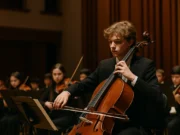
Virtual instruments have become indispensable tools for classical musicians, composers, and educators, offering an expansive sonic palette that bridges traditional performance and modern creativity. For violinists and other string players, access to quality sampled instruments can enhance practice, composition, and recording activities. In 2025, a refined selection of 110 free Kontakt instruments emerged, signaling notable progress in accessible digital resources within the field.
Context: The Role of Kontakt Instruments in Classical Music
Native Instruments’ Kontakt platform stands out as a versatile sampler used widely across genres, including classical music. Its ability to host detailed sampled instruments allows performers and creators to emulate orchestral sounds with remarkable authenticity and expression. While commercial libraries can be prohibitively expensive, free Kontakt instruments offer entry points for students, educators, and emerging musicians to experiment and incorporate orchestral timbres into their work without financial barriers.
This expanding catalogue of free Kontakt instruments, curated and updated regularly, reflects a growing democratization of digital tools that support the classical music ecosystem. For violinists, violists, cellists, and bassists, these instruments provide a valuable complement to live performance, enabling new modes of interpretation and production.
Highlights of the 2025 Collection
The 110 curated freeKontakt instruments cover a broad spectrum of sounds encompassing various orchestral sections, solo string instruments, and even rare or experimental timbres. Their quality and variety make them suitable for different users: solo performers seeking practice aids, composers desiring realistic mock-ups, and educators integrating technology into curriculum.
For string players, some instruments offer intricate articulations and dynamic layers, enabling nuanced performance emulation. This level of detail supports more expressive digital performances, enhancing realism beyond basic sample playback. Additionally, many libraries include innovative presets that invite new interpretations or contemporary applications of classical sounds.
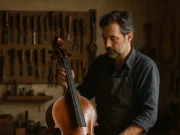
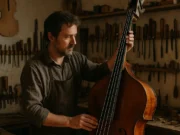
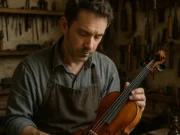
The availability of these instruments also encourages luthiers and researchers to consider how digital and physical craft intersect, as musicians navigate the balance between acoustic richness and digital convenience.
Implications for Performers, Educators, and Institutions
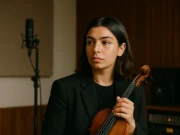
Performers can integrate these free Kontakt instruments into practice regimes, supplementing their acoustic sessions with varied tonal options and acoustic environments. Composers and arrangers benefit from accessible high-quality sounds that allow more precise mock-ups and demos before live sessions.
Educational institutions stand to gain significantly by incorporating these resources into teaching, providing students with hands-on experience in digital interpretation and orchestral sound design without incurring extra costs. This expands learning possibilities, especially where access to live orchestras is limited.
Orchestras and music directors may explore these instruments when planning outreach projects or multimedia presentations, broadening audience engagement through hybrid performances blending live and sampled sounds.
Looking Ahead: Digital Tools as a Complement to Tradition
The continued refinement and expansion of free Kontakt instruments in 2025 reflect ongoing shifts in classical music production and pedagogy. While nothing replaces the depth and spontaneity of live acoustic performance, these digital resources represent valuable supplements enhancing accessibility and creative potential.
As virtual instruments evolve, the dialogue between traditional craftsmanship, performer expertise, and technological innovation deepens. This interplay signifies a rich future for violinists and the broader string community, merging heritage with forward-looking artistry.
Why this matters
- In 2025, a significant number of high-quality free Kontakt instruments have become available, offering new resources for classical musicians and educators.
- These instruments enhance accessibility for students, performers, and composers by reducing financial barriers to realistic orchestral sounds.
- They facilitate creative exploration and digital proficiency, key skills in contemporary classical music practice and education.
- Institutions can integrate these tools to enrich curricula and broaden outreach without added costs.
- Observing the evolution of digital instrument libraries helps stakeholders understand future trends in performance and lutherie innovation.
Related topics
- The impact of virtual instruments on classical music performance and practice.
- How digital tools shape modern string pedagogy and student engagement.
- Balancing acoustic tradition with digital innovation in violin and orchestral music.
Editorial Commentary
Instrument-centered articles are valuable because they connect sound, materials, construction, and performance practice. For specialists and enthusiasts alike, they provide insight into the physical objects that stand at the heart of musical interpretation.
Read in a broader way, this type of story helps explain why the history and evolution of the $instrument_label still matter today to makers, performers, collectors, educators, and serious listeners.
About The Violin Post
The Violin Post is an international editorial platform dedicated to violin making, classical performance, competitions, instruments, and the wider culture of the string world.
Its coverage connects news reporting with specialist context for readers interested in performers, makers, educators, institutions, and musical heritage.
Related Articles
- The Role of Quality Rosin in String Performance: Spotlight on Transparent Yellow Rosin
- Unlocking the Enduring Mystique of Stradivarius Violins
- Historic and Contemporary Instruments at Music@Menlo Illuminate Artistic Collaboration and Instrument Heritage
— The Violin Post Editorial Staff