

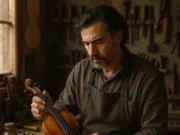
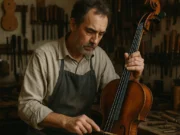
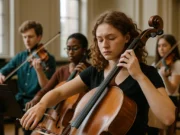
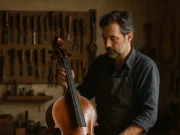
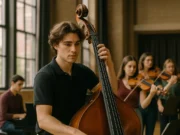
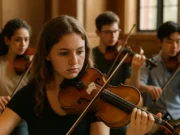
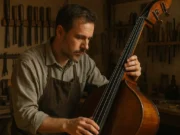

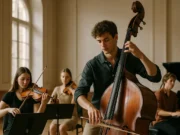

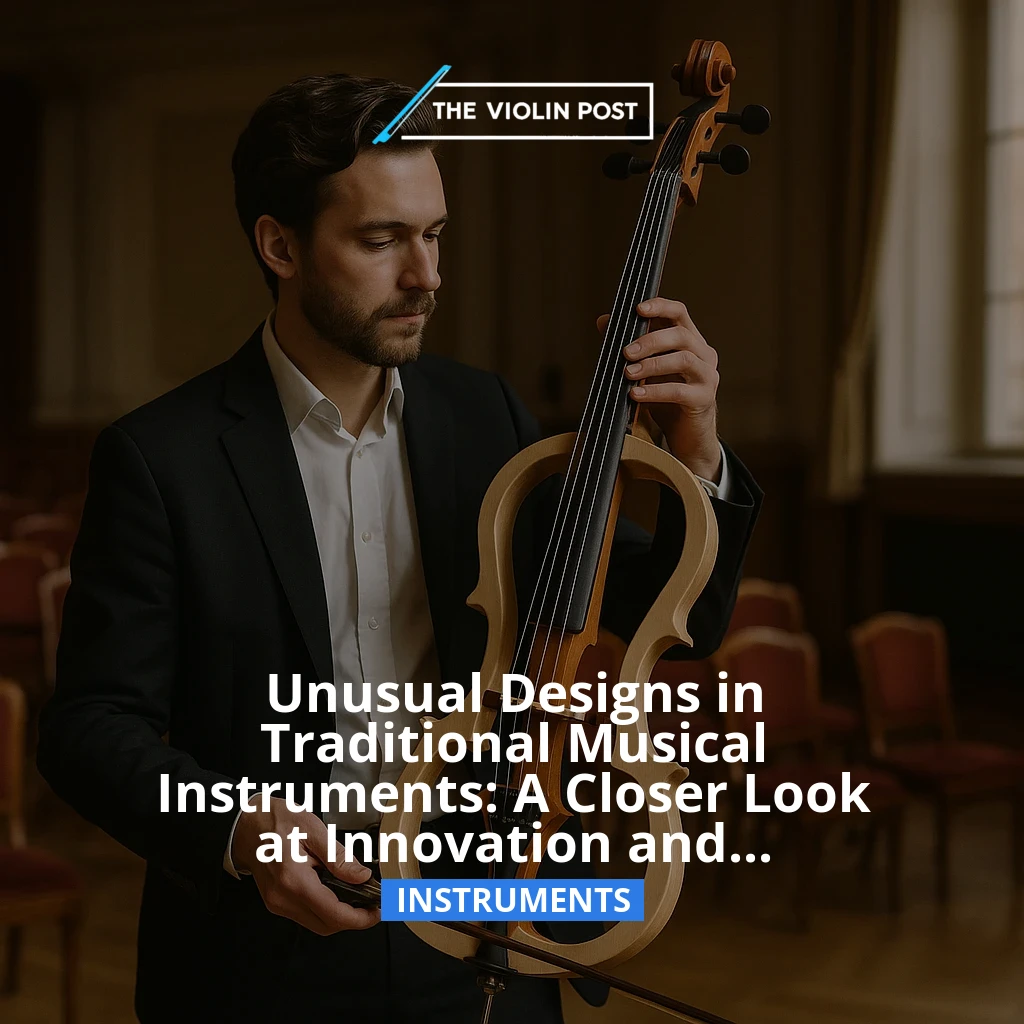
Musical instruments, particularly those central to the classical repertoire such as the violin, viola, cello, and others, have long maintained traditional forms honed over centuries. Yet, there is a curious subcurrent of experimentation where makers and musicians challenge these conventions, producing highly unusual designs that both intrigue and provoke. These atypical instruments—strange in appearance yet often rooted in centuries-old craftsmanship—invite reflection on the evolving relationship between musical expression and instrument design.
Challenging the Canonical Form
While the violin and its family of bowed strings enjoy a relatively standardized shape, there have been numerous attempts, some historical and some contemporary, to diverge radically from this norm. These designs often arise from luthiers and innovators eager to expand tonal possibilities or address ergonomic concerns, sometimes resulting in instruments that puzzle traditionalists but inspire new performance possibilities.
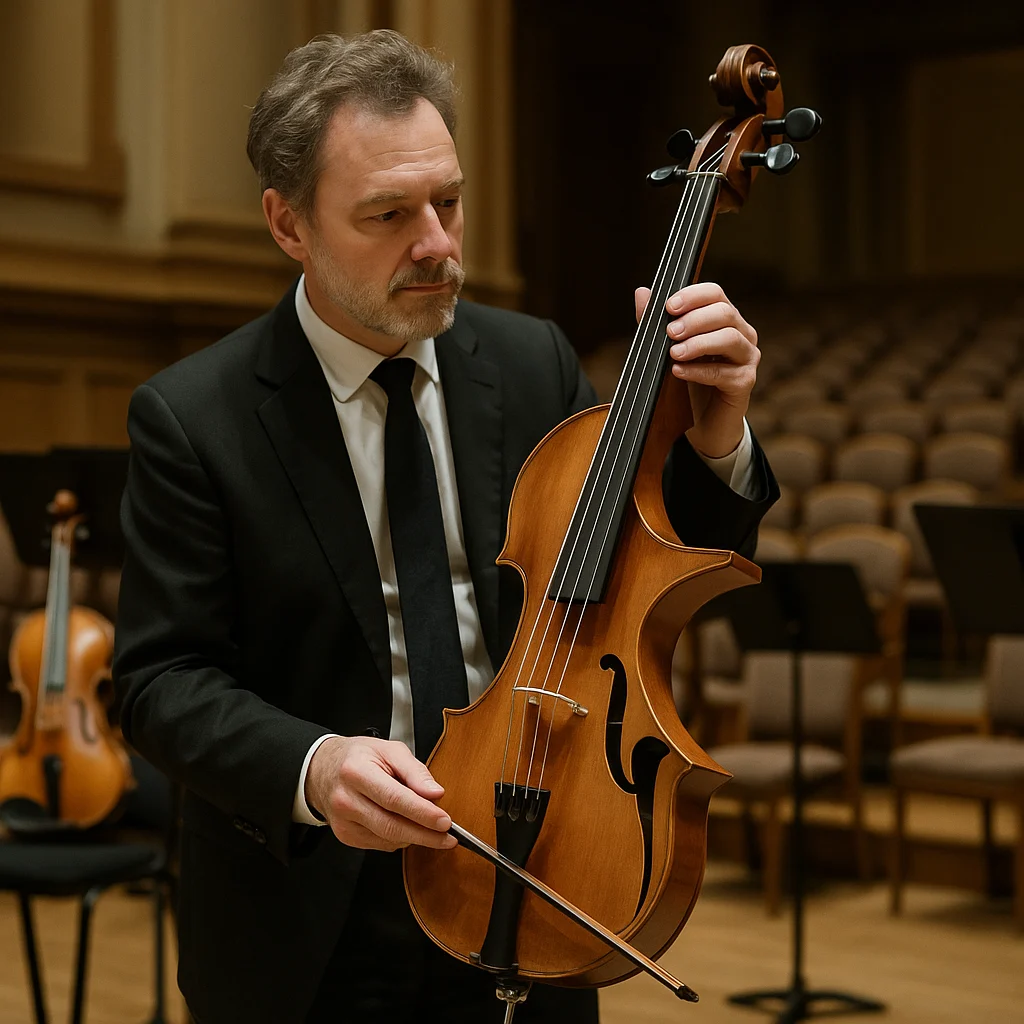
Unconventional shapes might reflect ergonomic adaptations—altering body contours for greater comfort—or experimental soundscapes, borrowing concepts from electronic augmentation or new materials. Other times, these designs serve a conceptual or aesthetic agenda, blurring the line between instrument and art object. Though some remain curiosities, others have contributed valuable insights into acoustics and playability, even if they have not supplanted the classic forms.
The Impact on Performers and Audiences
Such deviations from standard design impact a range of stakeholders in the classical music ecosystem. Performers interested in pushing artistic boundaries may adopt these unusual instruments to access novel sounds. For students and educators, they embody teaching moments about tradition versus innovation. Instrument makers can view these designs as exploratory prototypes driving the craft forward.
Audiences encounter a blend of familiarity and surprise in performances featuring these instruments, potentially stimulating engagement with new sonic textures and visual experiences. Orchestras and chamber ensembles considering inclusion of these instruments face questions about blending timbres and maintaining stylistic coherence. Collectors and institutions might appraise these pieces more as cultural artifacts than practical tools.
Contextualizing Innovation in the Classical Tradition
The story of instrument design is not merely aesthetic but deeply intertwined with technological progress and cultural shifts. Early violin makers shaped their instruments by aesthetic ideals and acoustic science, yet also responded to musicians’ needs. Today’s strange designs reflect a continuum of that dialogue, situated at the crossroads of heritage and experimentation.
In broader terms, these deviations highlight tensions inherent in classical music’s evolution—between reverence for the past and the desire for reinvention. Such experiments may not become mainstream, but they contribute critically to ongoing conversations about the future of performance practice, instrument making, and audience expectations.
Why this matters
- Unusual instrument designs offer insights into balancing tradition and innovation in classical music.
- They directly affect performers seeking new expressive means and luthiers exploring craftsmanship boundaries.
- Students and educators gain tools for understanding the evolution of musical instruments.
- Audiences are invited to experience a diverse sonic palette expanding beyond conventional expectations.
- Tracking these developments helps anticipate future directions in instrument design and performance practice.
Related topics
- The role of experimental lutherie in shaping modern string instruments.
- How performers incorporate unconventional instruments in traditional and contemporary repertoires.
- Technological advances influencing acoustics and ergonomics in classical instrument design.
Editorial Commentary
Instrument-centered articles are valuable because they connect sound, materials, construction, and performance practice. For specialists and enthusiasts alike, they provide insight into the physical objects that stand at the heart of musical interpretation.
Read in a broader way, this type of story helps explain why the history and evolution of the $instrument_label still matter today to makers, performers, collectors, educators, and serious listeners.
About The Violin Post
The Violin Post is an international editorial platform dedicated to violin making, classical performance, competitions, instruments, and the wider culture of the string world.
Its coverage connects news reporting with specialist context for readers interested in performers, makers, educators, institutions, and musical heritage.
Related Articles
- Exploring the Top Free Kontakt Instruments of 2025: New Opportunities for Violinists and Classical Musicians
- The Role of Quality Rosin in String Performance: Spotlight on Transparent Yellow Rosin
- Unlocking the Enduring Mystique of Stradivarius Violins
— The Violin Post Editorial Staff