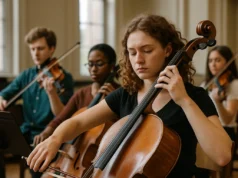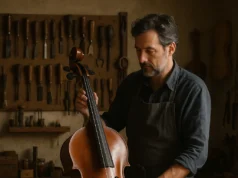

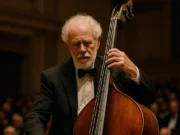
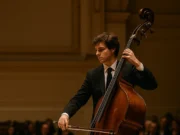
Few pieces in the orchestral canon capture the raw, relentless energy of early 20th-century British music quite like Gustav Holst’s ‘Mars, the Bringer of War,’ the ominous first movement of his landmark suite The Planets. The BBC’s undertaking to produce new instrumental arrangements of this iconic movement is more than a mere nod to innovation; it is an effort to revisit and revitalize a monumental study in rhythm, harmony, and orchestration that continues to inspire and challenge musicians and audiences worldwide.
Exploring the Force Behind Holst’s ‘Mars’
Completed between 1914 and 1916, The Planets reflects Holst’s fascination with both astrology and contemporary musical trends, with ‘Mars’ embodying an unyielding martial spirit through driving ostinato rhythms, sharp brass calls, and percussive intensity. Traditionally scored for a large orchestra, this movement has inspired countless interpretations within symphonic halls. The BBC’s new instrumental arrangements provide fresh sonic and textural viewpoints, offering an opportunity to reconsider how ‘Mars’ communicates its themes of conflict and inevitability.
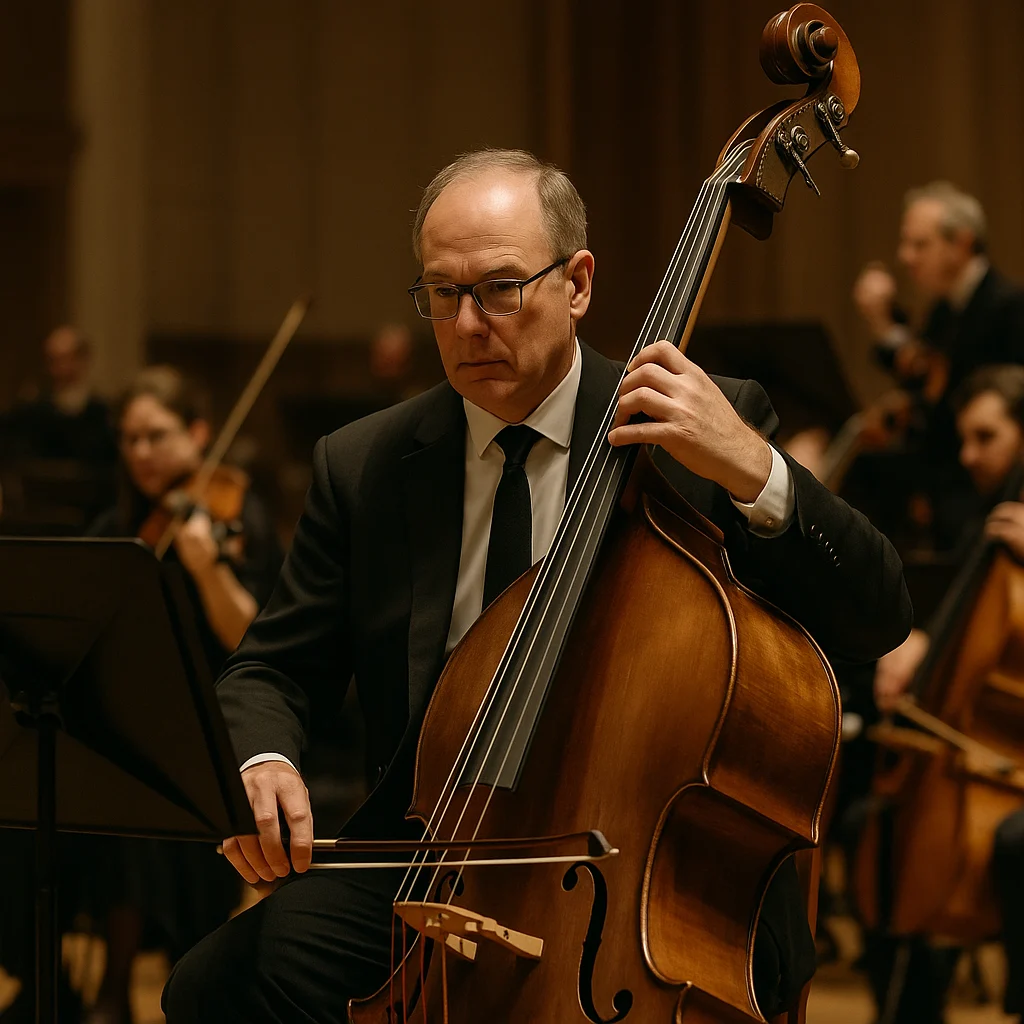
These arrangements, crafted for varying combinations of instruments, allow performers to engage with the material in novel ways. By breaking out from the traditional full orchestral format, musicians—whether within chamber ensembles, educational institutions, or community orchestras—now have access to versions that maintain the original’s force while adapting to diverse performance contexts. This flexibility aligns with ongoing efforts to make classical repertoire more accessible and sustainable for different levels of musicianship and ensemble sizes.
Relevance for Performers and the Broader Music Community
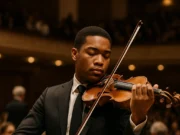
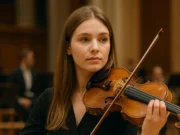
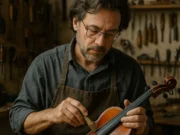
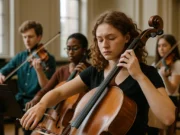
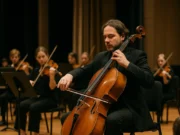
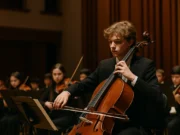
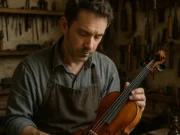
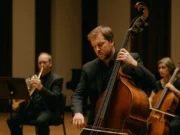
For violinists, violists, cellists, and double bassists, engaging with these arrangements presents both technical challenges and interpretive opportunities. The percussive drive and rhythmic persistence of ‘Mars’ demand precise articulation and a keen sense of ensemble coordination. Meanwhile, luthiers and instrument makers may note how such reimaginings influence the demand for certain timbres and tonal balances, potentially affecting future instrument design considerations tailored to varied ensemble sizes.
Music educators and students benefit as well, with these arrangements serving as practical tools for studying the movement’s complexities in settings where a full orchestra is impractical. The BBC’s involvement lends an authoritative voice to these versions, encouraging their adoption in curricula and concert programming, thus seeding the next generation’s understanding and appreciation of Holst’s innovations.
Context Within Classical Music’s Evolving Landscape
Holst’s ‘Mars’ has long been emblematic of early 20th-century modernism and a source of inspiration across genres, influencing film scores and popular culture. The BBC’s initiative to create new instrumental arrangements exemplifies a broader trend in classical music to adapt cornerstone works to contemporary needs without diluting their essence. This approach fosters inclusivity and helps sustain audience engagement by contextualizing classical music within varied performance scenarios.
Moreover, such projects underscore the ongoing dialogue between historical authenticity and modern reinterpretation, a balance crucial for the vitality of classical repertoire. They emphasize the importance of re-examining canonical works, ensuring they remain living music rather than museum pieces.
Why this matters
- Offers performers new avenues to engage with a signature Holst composition adaptable to different ensemble types.
- Enhances accessibility to ‘Mars’ for educational and smaller performance settings, broadening its reach.
- Supports evolving programming in concert halls and community venues by providing versatile arrangements.
- Stimulates interpretive discourse on one of the most influential orchestral works of the 20th century.
- Reflects and encourages the trend of reimagining classical repertoire to meet contemporary artistic and practical demands.
Related topics
- The role of arrangement and transcription in the preservation and transformation of classical repertoire.
- How iconic orchestral works continue to influence film and media scoring traditions.
- Challenges and opportunities in performing large-scale orchestral pieces in chamber or educational settings.
Editorial Commentary
Instrument-centered articles are valuable because they connect sound, materials, construction, and performance practice. For specialists and enthusiasts alike, they provide insight into the physical objects that stand at the heart of musical interpretation.
Read in a broader way, this type of story helps explain why the history and evolution of the $instrument_label still matter today to makers, performers, collectors, educators, and serious listeners.
About The Violin Post
The Violin Post is an international editorial platform dedicated to violin making, classical performance, competitions, instruments, and the wider culture of the string world.
Its coverage connects news reporting with specialist context for readers interested in performers, makers, educators, institutions, and musical heritage.
Related Articles
- Stravinsky’s Firebird Suite Finale: A Closer Look at Instrumental Arrangements
- Diapasonix: A Compact Synth Innovates for String Players Using Raspberry Pi Pico 2
- Italian Double Bass Worth $150,000 Reported Stolen in New York
— The Violin Post Editorial Staff