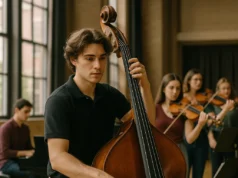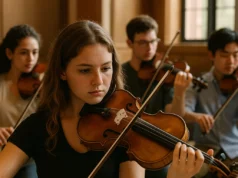

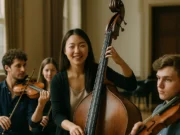
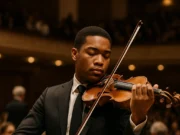
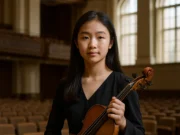
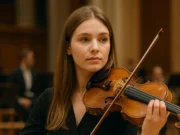

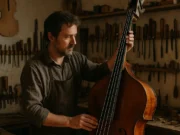
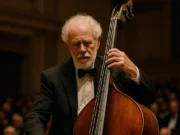
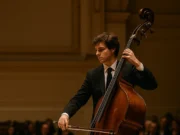
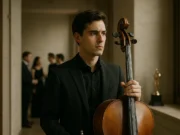

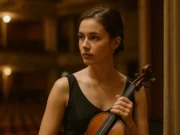
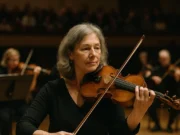
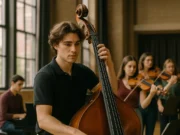
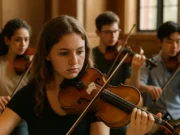
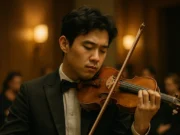
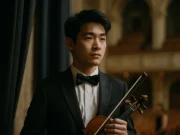
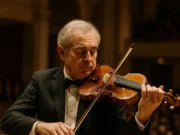
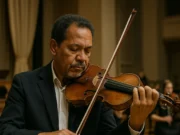
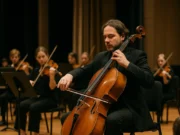
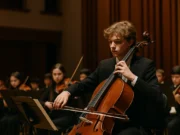
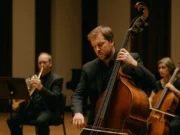


In Little Rock, a local music academy has established itself as a pivotal institution for musicians seeking professional development. Its sustained ability to draw students back year after year hinges on two principal factors: access to renowned teachers and a wealth of performance opportunities. These elements collectively create an environment where both learning and practical experience thrive.
Expert Instruction as a Foundation for Musical Growth
The academy’s appeal is anchored in its roster of distinguished instructors, who bring rich backgrounds in classical music and pedagogical expertise to their teaching. For violinists, violists, and students of other string instruments, studying under such seasoned mentors provides critical technical guidance and interpretative insight that can be difficult to find elsewhere, particularly outside major metropolitan areas.
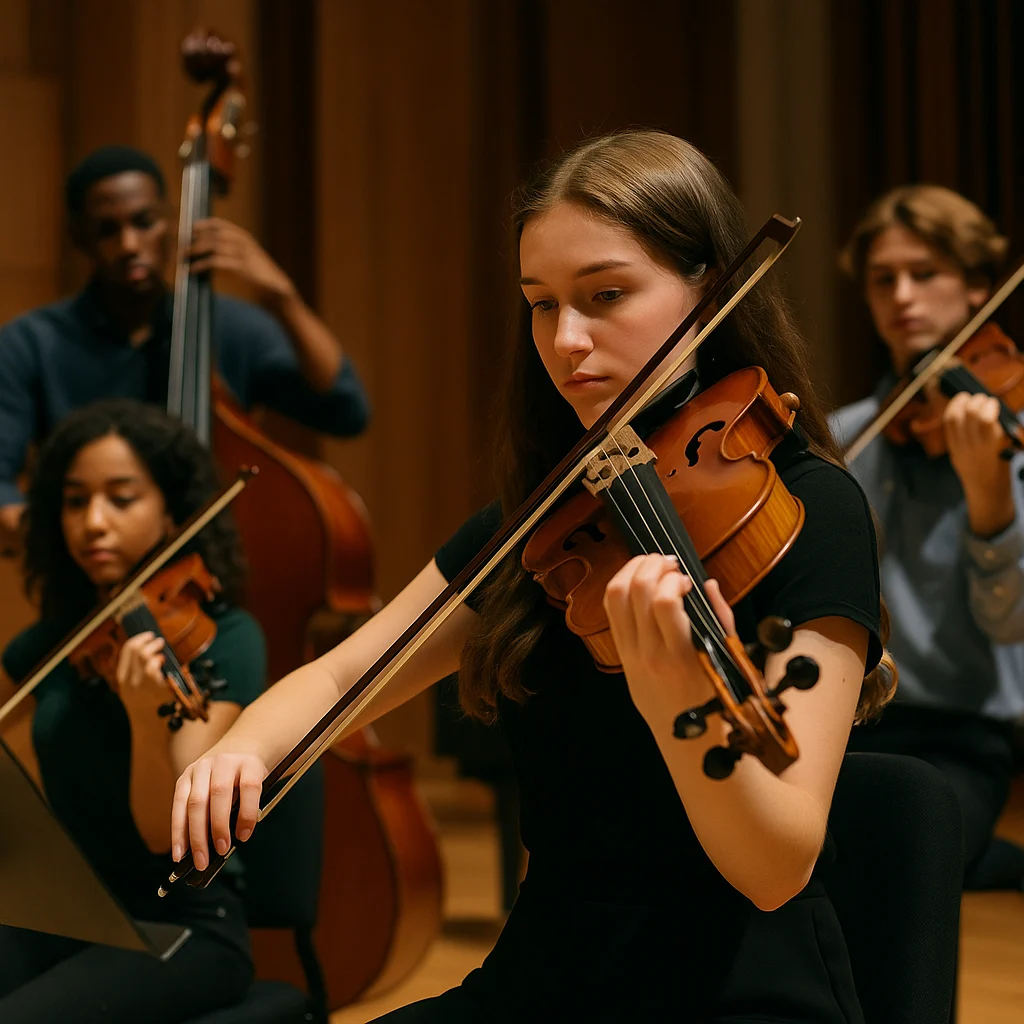
This level of instruction supports not just skill acquisition but also fosters deeper artistic understanding. The presence of such educators benefits a broad spectrum of students, ranging from dedicated amateurs to those pursuing professional careers, offering tailored coaching that aligns with diverse goals and skill levels.
Performance Opportunities as Essential Experience
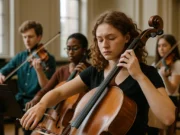
Complementing expert teaching, the academy emphasizes practical musicianship through frequent performance occasions. These might include recitals, masterclasses, competitions, or community concerts. Such platforms are vital in nurturing stage presence, confidence, and the ability to engage audiences—skills that instruction alone cannot fully develop.
Regular public performances also serve as motivators for students to prepare rigorously and engage more deeply with their repertoire. Moreover, these events enhance participants’ CVs and are valuable networking spaces where emerging artists can encounter peers, collaborators, and even potential mentors.
Impact on Students and the Broader Musical Ecosystem
For students, the combination of high-caliber teaching and ample performance chances cultivates a well-rounded artistry and readiness for professional demands. For local orchestras, ensembles, and concert promoters, the academy acts as a feeder, nurturing talent that refreshes and sustains the regional classical music scene.
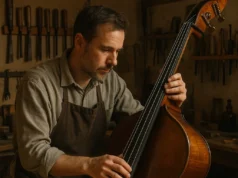
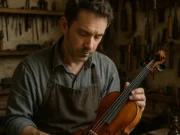
Instrument makers and luthiers in the area may also find the academy’s activities beneficial; as student proficiency grows, so does the demand for quality instruments and maintenance services. In addition, educators and institutions beyond Little Rock may look to this academy as a model for balancing pedagogy with performance experience—a crucial formula for successful musical education.
Why this matters
- The academy’s approach underscores the vital role of expert mentorship coupled with regular performance in developing classical musicians.
- Students benefit from practical experience and artistic growth, enabling smoother transitions to professional careers.
- Local and regional classical music ecosystems are invigorated by a pipeline of talented, well-prepared performers.
- The model exemplifies how smaller cities can sustain strong musical education without relying solely on major cultural centers.
Related topics
- The role of masterclasses and mentorship in string instrument pedagogy
- How performance experience shapes young musicians beyond technical skills
- Challenges and opportunities for music education outside major metropolitan areas
Editorial Commentary
Educational developments deserve attention because training environments often determine the future health of the classical music sector. The opportunities available to students today shape the artistic standards, professional habits, and creative ambitions of tomorrow.
For teachers, families, institutions, and emerging performers, stories in this area provide context on how learning, mentorship, and access continue to influence the evolution of the string community.
About The Violin Post
The Violin Post is an international editorial platform dedicated to violin making, classical performance, competitions, instruments, and the wider culture of the string world.
Its coverage connects news reporting with specialist context for readers interested in performers, makers, educators, institutions, and musical heritage.
Related Articles
- Festival Academy Budapest Marks a Decade of Nurturing Classical Music Talent
- Ana Labazan Brajša and the International Music School Upbeat: A Violinist’s Insight into Contemporary Music Education
- Joshua Bell Takes the Helm: Violinist and Conductor with the Academy of St Martin in the Fields
— The Violin Post Editorial Staff