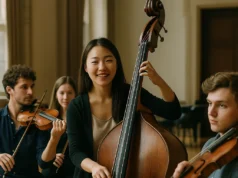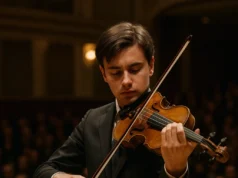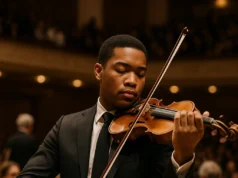

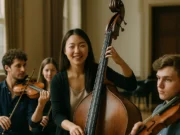
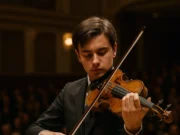
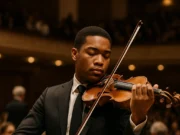
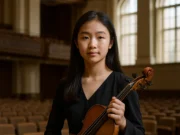
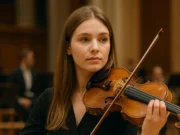

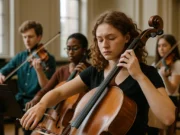
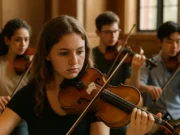
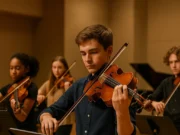
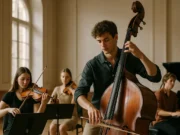
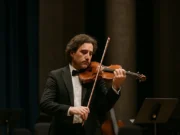
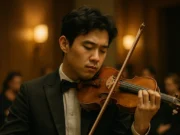
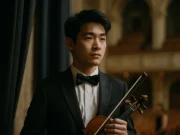
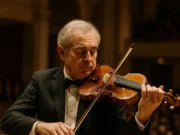

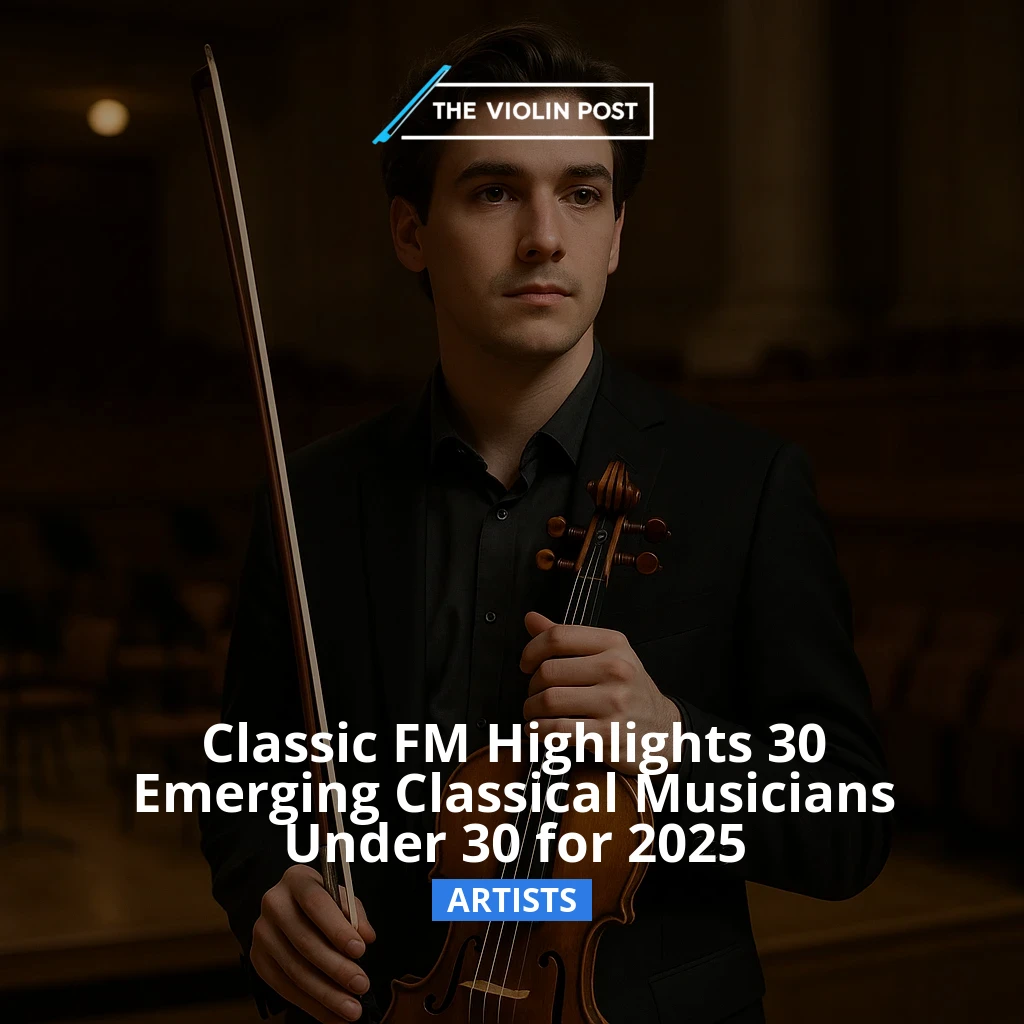
Classic FM has unveiled its 2025 list of Rising Stars, spotlighting 30 outstanding classical musicians under the age of 30 who are capturing attention for their artistry and promise. This annual recognition serves not only to commend fresh talent but also to highlight the vibrant pipeline of excellence sustaining the classical music world.
Identifying Tomorrow’s Classical Leaders
The Rising Stars initiative by Classic FM is more than a mere accolade; it functions as a barometer for emerging trends and talents within the classical scene. By focusing on musicians under 30, it sheds light on those who have already begun to assert their voices in a competitive field, often navigating numerous challenges from intense training schedules to the evolving demands of audiences and concert programming.
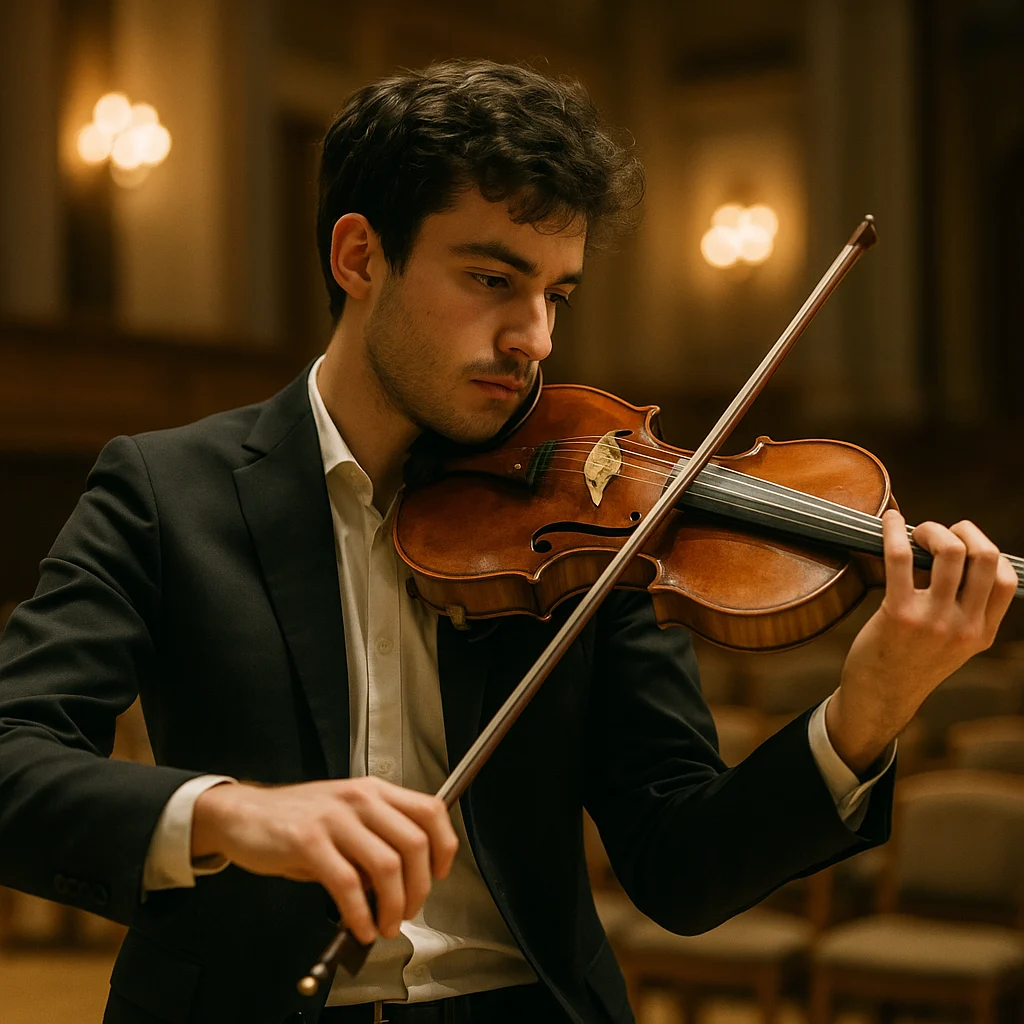
These musicians encompass a breadth of disciplines within classical music, ranging from violinists to pianists, and including other instrumentalists whose performances contribute to the richness of the art form. Their recognition tends to resonate deeply within the music community — including educators, other performers, orchestras, and institutions — often influencing future opportunities and collaborations.
Context Within Classical Music’s Ecosystem
Young musicians today face a dynamic classical music ecosystem that combines tradition with innovation. The exposure provided by Classic FM aids in bridging the gap between emerging artists and wider audiences. It also mirrors a cultural investment in nurturing talents whose careers might significantly shape concert repertoires, recording projects, and audience engagement in years to come.
Moreover, the diversity reflected in such listings tends to mirror broader shifts in classical music, from programming new and underrepresented composers to embracing global musical influences. For listeners and the industry alike, keeping an eye on these rising stars is an opportunity to witness the evolution of performance practice and interpretive approaches.
Implications for Performers, Institutions, and Audiences
Recognition on such a list can be a pivotal milestone in a young artist’s career. It often leads to invitations from leading festivals, orchestras, and recording labels, and can also impact how conservatories and teachers tailor mentorship efforts. For audiences, it offers a curated glimpse into the future faces and sounds of classical music, enriching concert-going experiences and supporting a continued dialogue between generations.
Collectors and luthiers also find interest here, as rising talents sometimes bring new attention to specific instruments or schools of craftsmanship, influencing both market trends and artistic preferences.
Why this matters
- It highlights the emerging generation shaping classical music’s future landscape.
- Young performers and institutions receive important visibility, influencing career trajectories and programming decisions.
- Audiences gain curated insight into promising musical voices before they reach full international acclaim.
- The recognition reflects ongoing diversification and renewal within classical music culture.
- It encourages investment in music education and mentorship by spotlighting successful outcomes.
Related topics
- How international competitions influence careers of young violinists and other instrumentalists
- The role of classical radio and media in promoting emerging talent
- Trends in youth engagement with classical music performance and education
Editorial Commentary
Artist-focused coverage is especially valuable because careers in the string world are built not only through performances, but through repertoire choices, collaborations, educational paths, and the ability to connect with audiences over time.
Seen from that perspective, this story helps readers place the featured musician within a broader professional and artistic conversation that matters to performers, presenters, students, and listeners alike.
About The Violin Post
The Violin Post is an international editorial platform dedicated to violin making, classical performance, competitions, instruments, and the wider culture of the string world.
Its coverage connects news reporting with specialist context for readers interested in performers, makers, educators, institutions, and musical heritage.
Related Articles
- Sirena Huang’s Zankel Hall Debut: A New Chapter in a Flourishing Violin Career
- Violinist Apoorva Krishna on the Grammy Consideration for ‘Only Love Is Real’
- Isidore String Quartet’s “Adorations”: A New Chapter in Contemporary Chamber Music
— The Violin Post Editorial Staff