
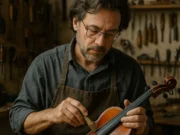
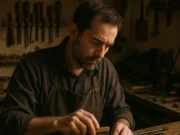
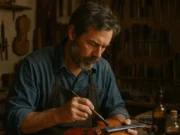
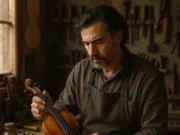



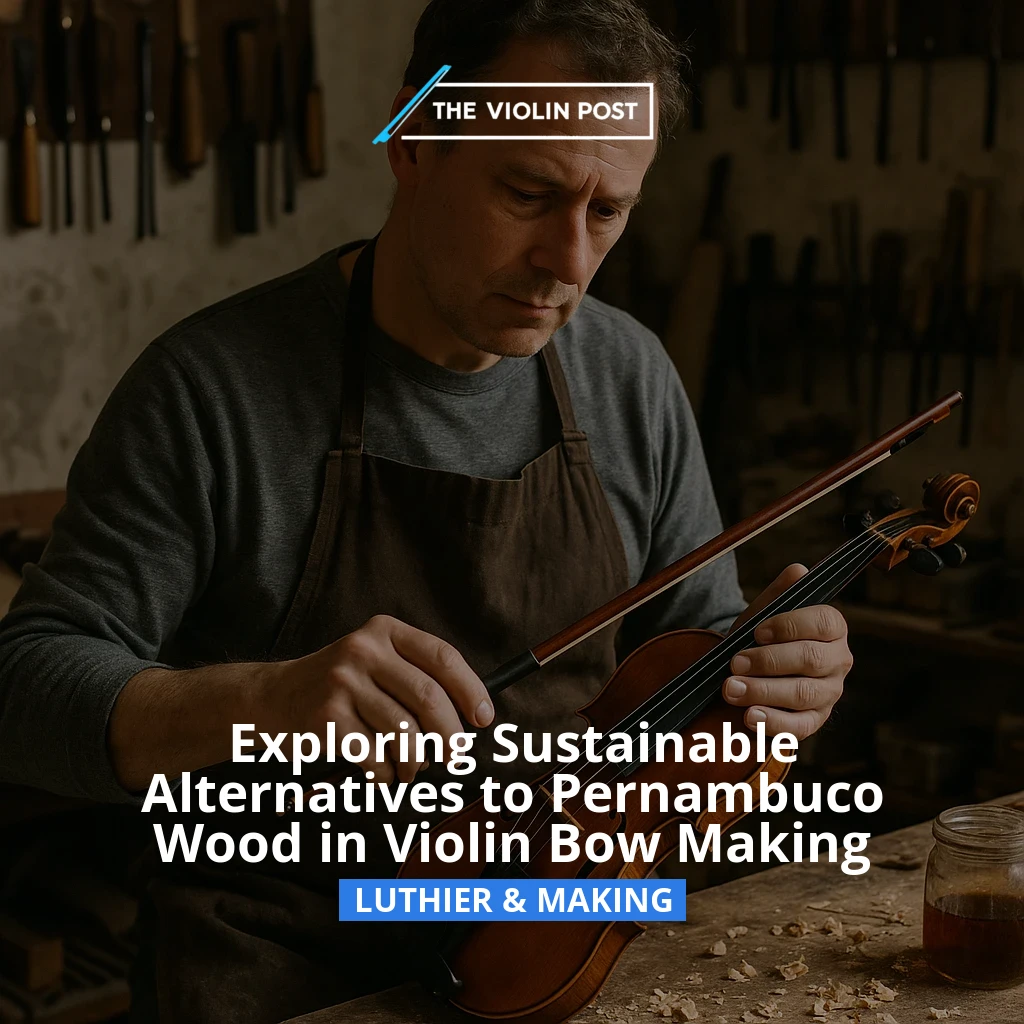
For centuries, Pernambuco wood has been the gold standard for crafting violin bows, prized for its unique combination of strength, flexibility, and resonance. However, the material’s rarity and ecological impact have become pressing concerns within the classical music and lutherie communities. A recent initiative employing artificial intelligence seeks to find sustainable alternatives to Pernambuco, with significant implications for performers, makers, and the environment.
Pernambuco’s Legacy and Its Sustainability Challenges
Pernambuco wood, sourced from the Caesalpinia echinata tree native to Brazil, owes its revered status to exceptional physical properties critical for bow performance—strength to withstand tension, density contributing to sound production, and elasticity facilitating precise control. Its scarcity arises from overharvesting and habitat loss, leading to stringent regulations and increased costs. For bow makers and musicians, this scarcity poses difficulties in obtaining quality materials without compromising on craftsmanship or ecological responsibility.
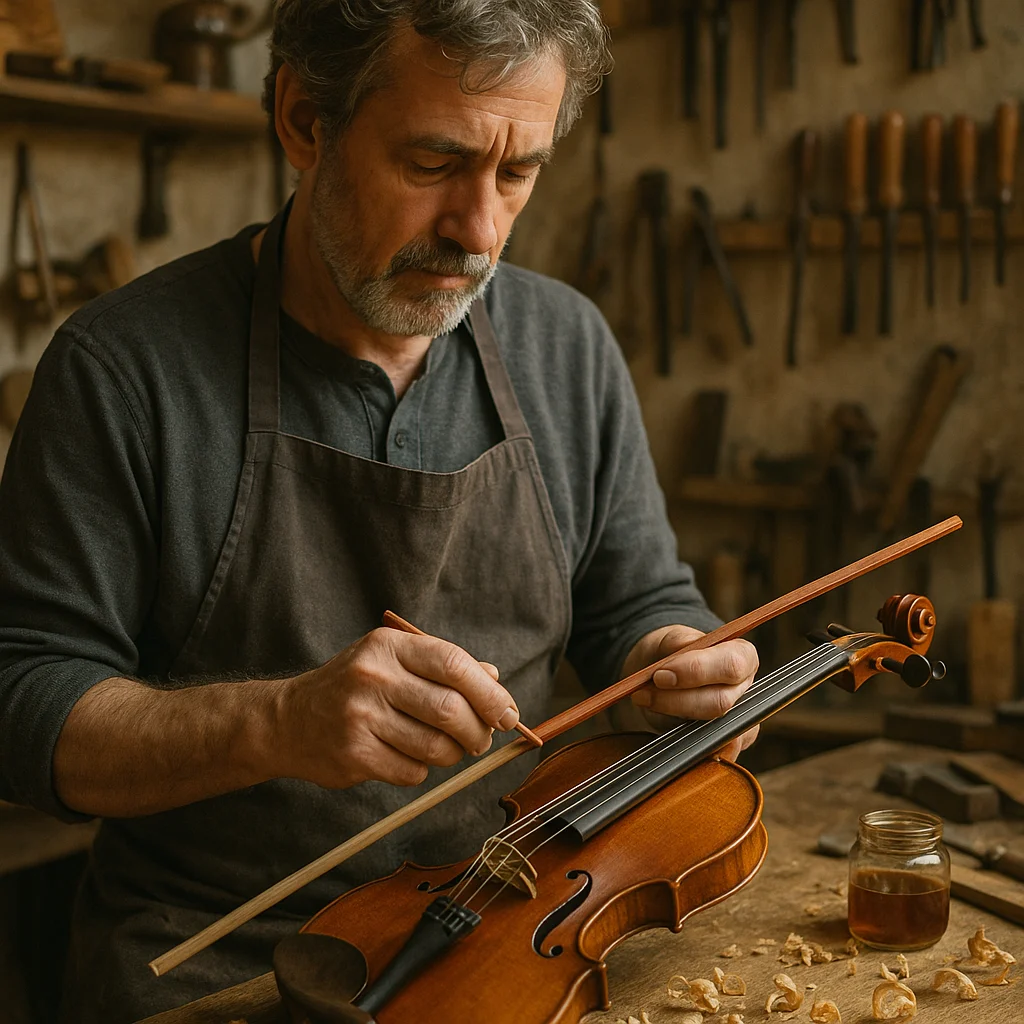
Consequently, the classical music ecosystem—which includes soloists, orchestras, bow makers, collectors, and educational institutions—faces a balancing act between preserving tradition and adapting to environmental realities. The quest for sustainable substitutes is not simply a material challenge but a cultural one, given the intimate link between instrument quality and musical expression.
Leveraging Artificial Intelligence in Material Innovation
Recent developments have introduced artificial intelligence (AI) as a tool to accelerate the search for Pernambuco alternatives. By analyzing vast data sets on wood species’ physical characteristics, growth conditions, and acoustic properties, AI models can predict candidate materials that potentially match Pernambuco’s performance criteria. This approach allows for a systematic and scientifically guided exploration beyond traditional trial and error.
One prominent project under the auspices of an IOM3 Fellow exemplifies this trend, integrating AI insights with sustainability metrics to propose viable wood substitutes. Such research aims to identify materials not only similar in mechanical qualities but also more abundant and less ecologically damaging, thereby supporting the future sustainability of bow making.
The impact of this innovation extends to luthiers designing the bows, musicians seeking uncompromised tonal quality, and environmental advocates pushing for responsible resource use. Moreover, the adoption of AI-enabled solutions highlights an intersection of technology, craftsmanship, and conservation within the classical music landscape.
Implications for the Future of Bow Making and Performance
The introduction of validated sustainable substitutes could alleviate pressures on Pernambuco resources, leading to more stable supply chains and potentially reducing costs. For performers, it may open up new tonal palettes or bow characteristics, influencing interpretation and technique. Institutions such as conservatories and orchestras might embrace these innovations as part of environmentally conscious programming and procurement.
However, integrating new materials requires careful assessment and acceptance by the community accustomed to traditional Pernambuco bows. The dialogue between makers, performers, and researchers will be vital to balance innovation with artistic standards.
Why this matters
- Addresses the urgent sustainability issues linked with Pernambuco wood harvesting.
- Directly impacts bow makers, musicians, and the wider classical music community concerned with material availability and quality.
- Demonstrates the promising role of AI in solving longstanding challenges in traditional crafts.
- Signals a potential shift in material standards that may influence violin bow manufacturing and performance practice.
- Encourages broader consideration of environmental responsibility within classical music heritage preservation.
Related topics
- The role of ethical sourcing in classical instrument making
- Technological advancements in lutherie and their effects on craftsmanship
- Tradition versus innovation: navigating material substitutions in fine instrument production
Editorial Commentary
Coverage related to violin making is important because instruments are never separate from the musical culture around them. Craftsmanship, tonal research, restoration practice, and workshop traditions all influence how performers experience and present sound.
In this context, stories connected to makers and workshops help readers see how the legacy of the $instrument_label is preserved, interpreted, and renewed through the work of contemporary luthiers and institutions.
About The Violin Post
The Violin Post is an international editorial platform dedicated to violin making, classical performance, competitions, instruments, and the wider culture of the string world.
Its coverage connects news reporting with specialist context for readers interested in performers, makers, educators, institutions, and musical heritage.
Related Articles
- Inside the Workshops: Conversations and Craftsmanship Behind Ten Contemporary Violin and Bow Makers
- Andrew Carruthers on ‘Offbeat Violins’: Exploring Individuality in String Instruments
- Connecting with the Craft: The Significance of Meeting Your Violin Maker
— The Violin Post Editorial Staff