




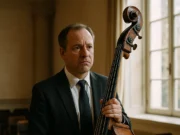
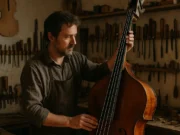
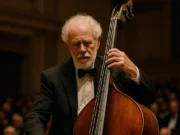
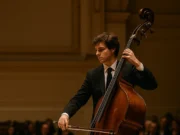
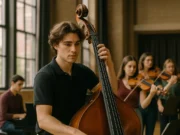
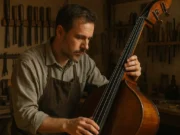
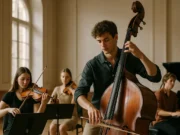


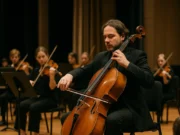
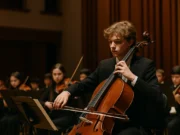
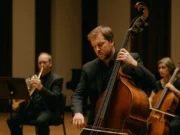

Edvard Grieg’s Cello Sonata in A minor, Op. 36, long revered as a cornerstone of the cello repertoire, has recently been rediscovered through the lens of another string instrument of profound depth: the double bass. This emerging practice of performing the sonata on double bass offers a fresh dimension to a cherished Romantic-era composition, reshaping its timbral palette and inviting an expanded dialogue within string performance circles.
A New Voice for a Romantic Classic
The double bass, traditionally rooted in orchestral and jazz contexts, has in recent decades garnered increasing recognition as a solo instrument capable of nuanced expression. Transcribing Grieg’s cello sonata for double bass not only challenges the player technically but also broadens the sonata’s expressive reach. The sonata’s lyrical themes and robust harmonic progressions are well-suited to the bass’s rich lower registers, while its virtuosic passages provide an invigorating challenge that invigorates the instrument’s solo repertoire.
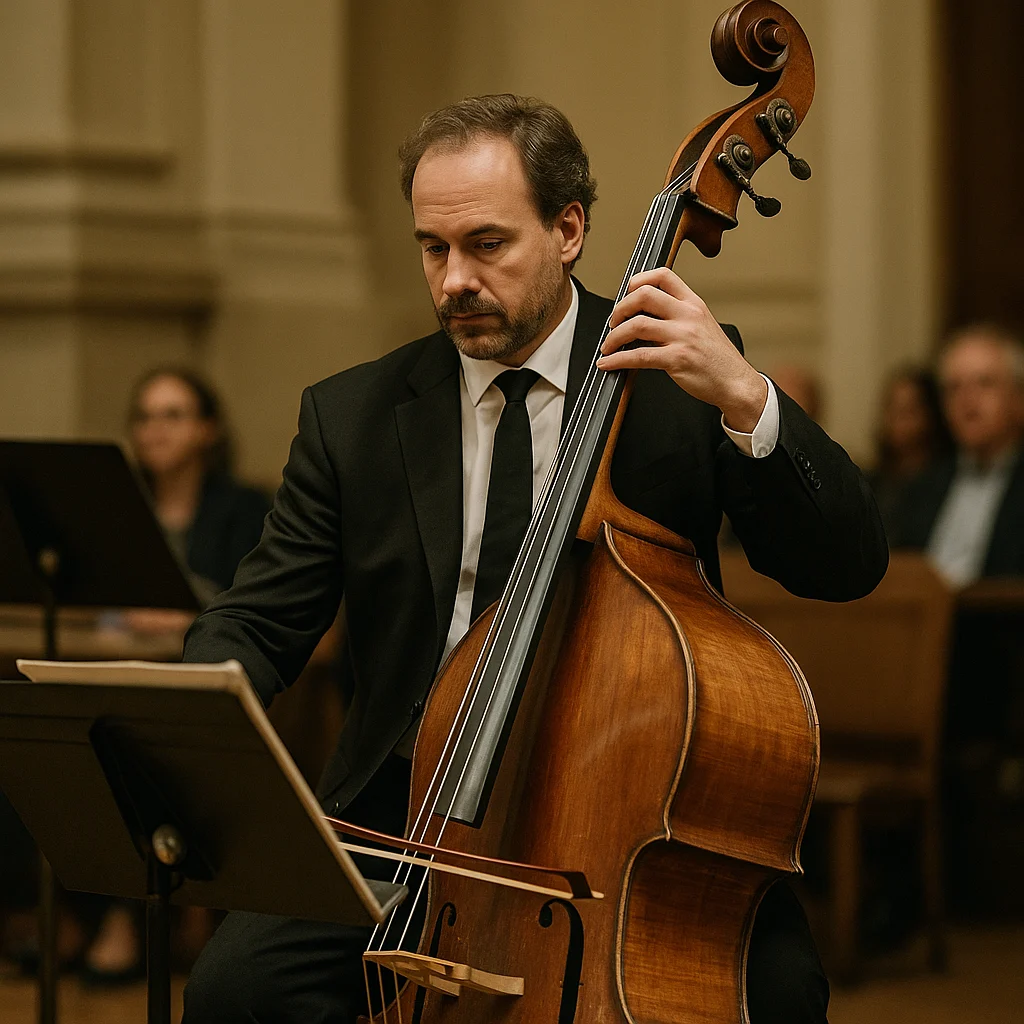
This transformation opens avenues for double bassists, who often find their solo repertoire limited compared to violinists, violists, and cellists. Adapting a work of this stature reflects an ongoing trend among performers seeking to enrich their instrument’s literature by exploring cross-instrumental transcriptions. It also encourages luthiers and concert managers to engage with the double bass in renewed capacities beyond its supporting orchestral role.
Implications for Performers, Educators, and Audiences
For performers, this rendition demands a high level of technical mastery and interpretive insight to navigate the idiomatic challenges of transposing cello lines to the double bass’s larger scale and physical demands. It simultaneously offers an opportunity to reinterpret Grieg’s emotional narrative from a deeper sonic perspective, which can resonate differently with audiences familiar with the original cello version.
Educators too stand to benefit, as this transcription enriches pedagogical options, allowing students to engage with seminal Romantic chamber works that were previously out of reach due to instrumentation constraints. It promotes versatility and a deeper understanding of the works’ structures and expressive qualities.
For audiences, experiencing this familiar sonata through the double bass’s unique voice can refresh appreciation for Grieg’s compositional ingenuity and the broader adaptability of classical music repertoire. It underscores the vitality of reinterpretation as a means to sustain the relevance of historic works in contemporary concert life.
Positioning Within the Broader Classical Music Ecosystem
This development fits within a larger movement emphasizing cross-instrument collaboration and repertoire expansion in classical music. Similar transcriptions have breathed new life into other canonical works, reflecting evolving performance practices and growing inclusivity of instruments traditionally relegated to ensemble roles. It also highlights the double bass’s rising prominence as a solo instrument in concert programming, competitions, and recordings, contributing to its slowly expanding repertoire and recognition.
Moreover, the adaptation of Grieg’s sonata exemplifies how established masterpieces can serve as foundations for creative reinterpretation, bridging the gap between tradition and innovation. It invites collectors and institutions to embrace a broader conceptualization of classical music heritage, one that values transformation alongside preservation.
Why this matters
- It highlights ongoing efforts to expand the double bass repertoire, addressing a longstanding gap for performers and students.
- Encourages technical and interpretive development within a challenging Romantic masterwork adapted for a different instrument.
- Offers audiences a fresh auditory experience of a well-known sonata, stimulating renewed interest and appreciation.
- Reflects broader trends in classical music towards repertoire diversification and cross-instrumental exploration.
- Signals evolving roles for the double bass beyond the traditional orchestral function, impacting programming and pedagogy.
Related topics
- The role of transcription in sustaining and diversifying string instrument repertoires
- Challenges and opportunities for double bassists in solo and chamber music contexts
- The evolution of Romantic-era compositions through modern performance practices
Editorial Commentary
Instrument-centered articles are valuable because they connect sound, materials, construction, and performance practice. For specialists and enthusiasts alike, they provide insight into the physical objects that stand at the heart of musical interpretation.
Read in a broader way, this type of story helps explain why the history and evolution of the $instrument_label still matter today to makers, performers, collectors, educators, and serious listeners.
About The Violin Post
The Violin Post is an international editorial platform dedicated to violin making, classical performance, competitions, instruments, and the wider culture of the string world.
Its coverage connects news reporting with specialist context for readers interested in performers, makers, educators, institutions, and musical heritage.
Related Articles
- Georgia Tech Identifies Finalists for Its Innovative Musical Instrument Competition
- Mirecourt’s 2023 Violin and Bow Making Competition Highlights New Generations of Artisans
- Integrating Instruments into Contemporary Classical Composition
— The Violin Post Editorial Staff