
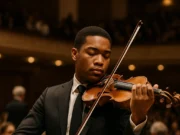
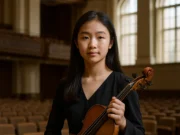
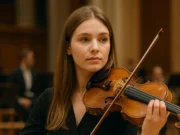
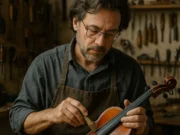
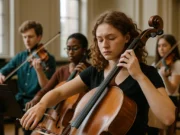
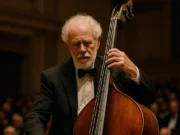
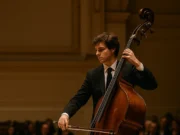
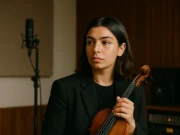
The relationship between composers and instruments remains a cornerstone of musical expression, yet the ways in which instruments are used in contemporary compositions continue to evolve dramatically. This ongoing dialogue shapes not only compositional practice but also performance traditions, audience expectations, and the broader classical ecosystem.
Instruments as Creative Catalysts
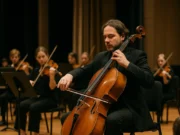
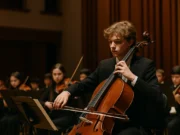
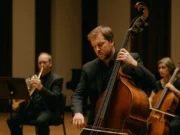
Traditional acoustic instruments—the violin, viola, cello, double bass, and their kin—are not merely vehicles for executing written notes; they inspire compositional choices and can alter the very character of new music. Modern composers often approach instruments not just for their conventional sounds but for extended techniques and textures that push boundaries. For example, techniques such as sul ponticello (bowing near the bridge), harmonics, or col legno (using the wood of the bow) can evoke sonic landscapes previously unexplored.
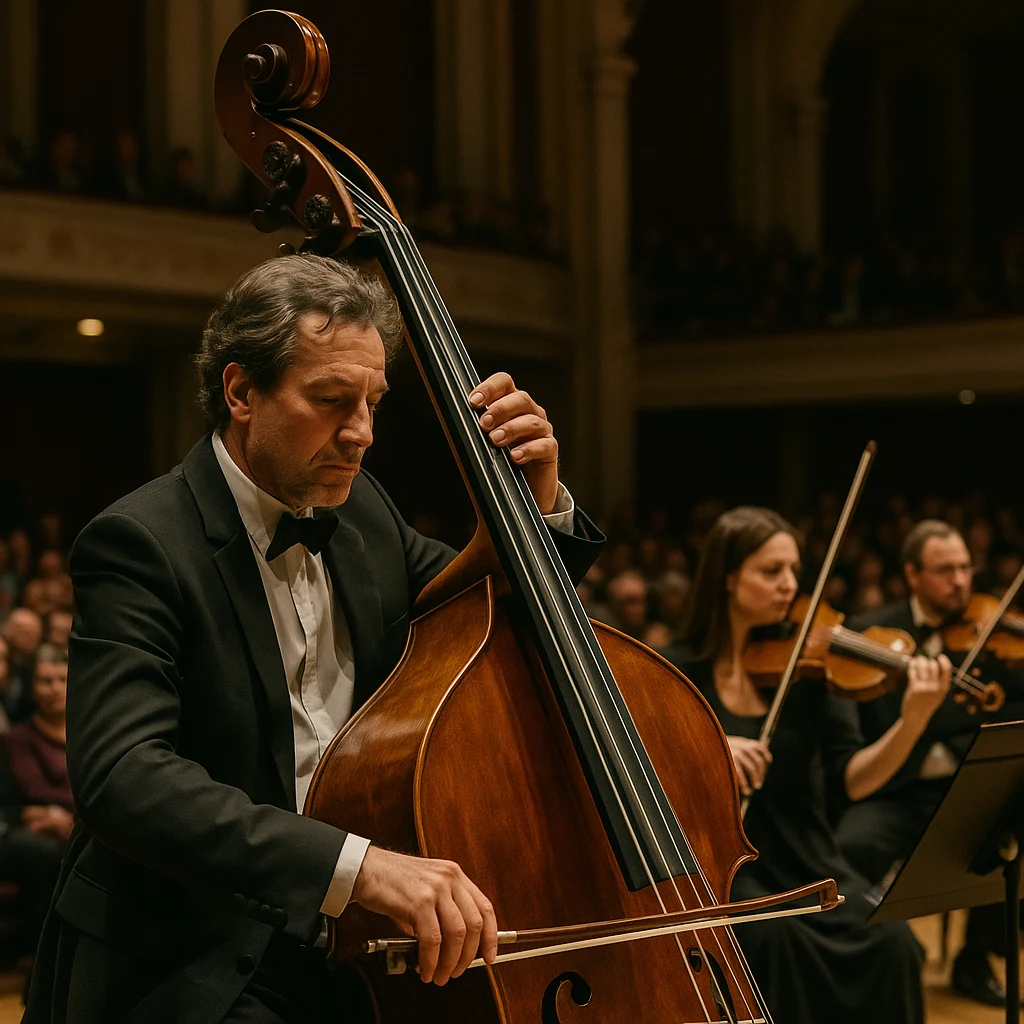
This expanded instrumental vocabulary offers composers nuanced means to express complexity: subtle emotional shifts, abstract ideas, or evocative atmospheres. The violin family, with its extensive historical and technical repertoire, provides fertile ground for such exploration. Similarly, composers writing for larger ensembles or solo instruments engage with the capabilities and limitations of each instrument to tailor their works effectively.
The Performer’s Role in Shaping Contemporary Sounds
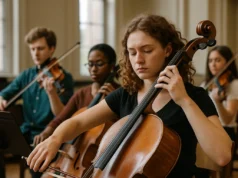
Performers’ intimate knowledge of their instruments actively influences how new music is created and realized. Collaborations between composers and virtuosos facilitate a dynamic feedback loop—technical possibilities inform compositional ideas, and innovative scores challenge performers to extend their mastery.
For students and professionals alike, this interaction deepens interpretive skills and encourages continual refinement of technique. Ensembles specializing in contemporary music often serve as incubators for these practices, providing a testing ground for fresh instrumental uses. Their work ensures that audiences encounter vibrant, living traditions rather than fossilized repertory.
Contextualizing Instrument Use within the Musical Ecosystem
The evolving use of instruments reflects broader trends in classical music, including interdisciplinary collaboration, technological integration, and new performance contexts. Despite increasing digital mediation, the tactile, acoustic qualities of instruments remain central to much contemporary work, preserving a direct, physical connection between musician and sound.
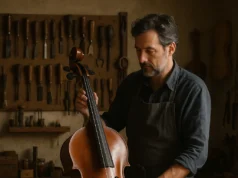
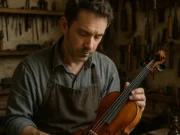
Institutions, festivals, and broadcasters play vital roles in supporting these developments by commissioning works, presenting performances, and fostering discourse. This ecosystem sustains a rich dialogue between historical lineage and innovation, affecting composers, performers, luthiers, and listeners worldwide.
Why this matters
- Understanding the evolving use of instruments provides insight into contemporary compositional and performance practices.
- The development influences performers’ technical and interpretive approaches, impacting their professional growth.
- It shapes audience experiences, offering fresh sonic palettes and challenging traditional listening habits.
- Instrument makers and educators are affected by changing demands, prompting innovation in design and pedagogy.
- Keeping abreast of these trends helps institutions and festivals curate relevant programming that bridges tradition and modernity.
Related topics
- The impact of extended techniques on violin pedagogy
- Challenges and opportunities in commissioning new chamber works
- Balancing acoustic tradition with electronic augmentation in string performance
Editorial Commentary
Instrument-centered articles are valuable because they connect sound, materials, construction, and performance practice. For specialists and enthusiasts alike, they provide insight into the physical objects that stand at the heart of musical interpretation.
Read in a broader way, this type of story helps explain why the history and evolution of the $instrument_label still matter today to makers, performers, collectors, educators, and serious listeners.
About The Violin Post
The Violin Post is an international editorial platform dedicated to violin making, classical performance, competitions, instruments, and the wider culture of the string world.
Its coverage connects news reporting with specialist context for readers interested in performers, makers, educators, institutions, and musical heritage.
Related Articles
- Joseph Conyers Returns to Savannah, Championing Double Bass Performance and Music Education
- Gary Karr Reflects on Sergey Koussevitzky’s Enduring Legacy in the String World
- Port Clinton Middle School Enhances Orchestra Program with New Class and Double Bass Inclusion
— The Violin Post Editorial Staff