
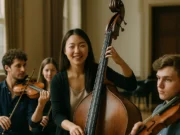
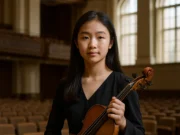
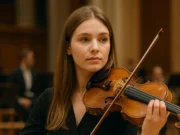


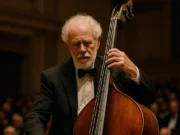
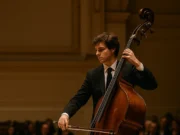
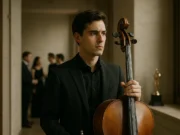
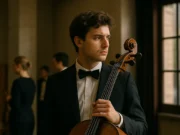
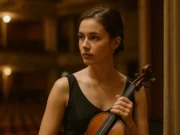
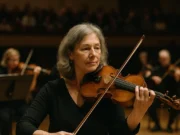
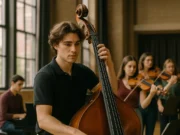
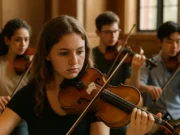
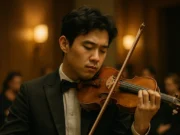
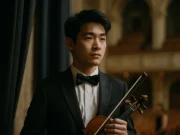
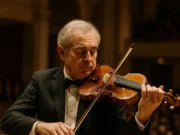
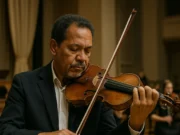


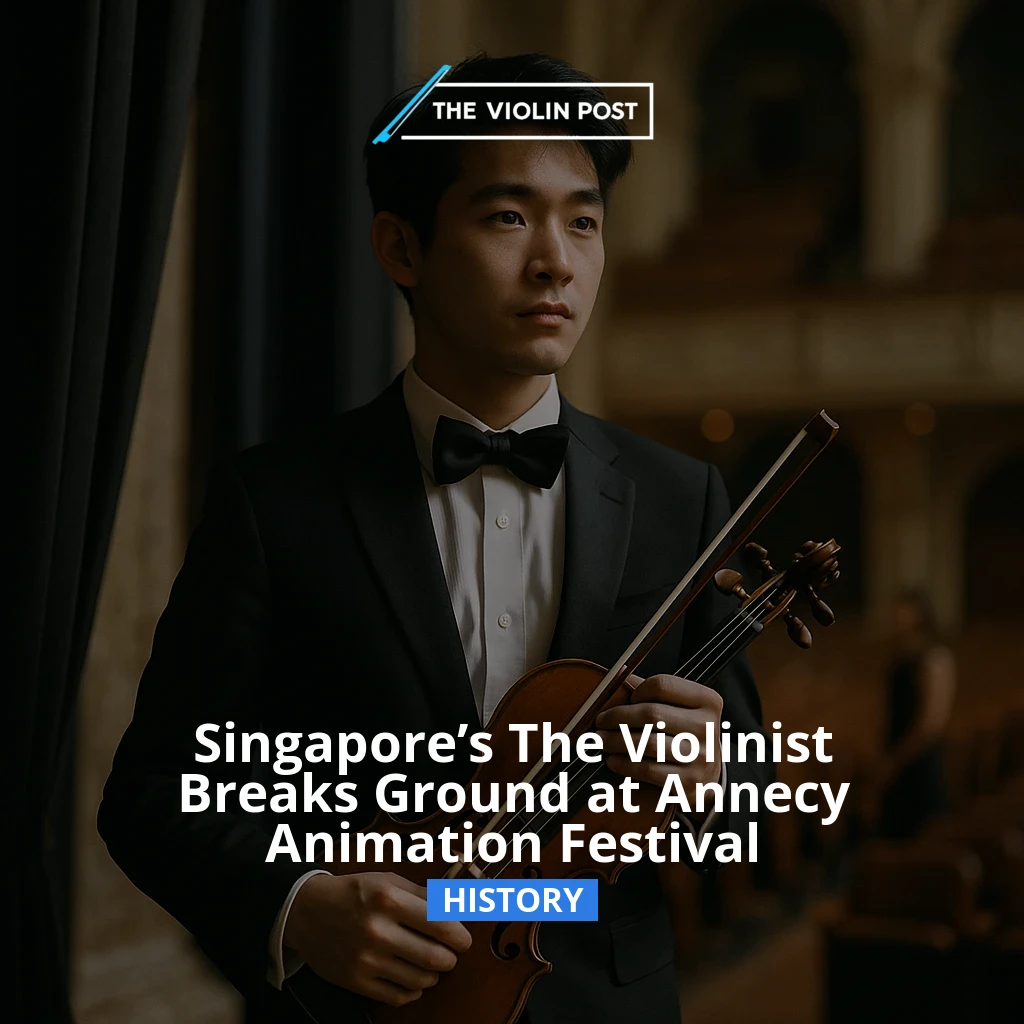
At the heart of the global animation scene, Singapore’s “The Violinist” has made a significant breakthrough by becoming the first film from the city-state to secure a place in the main competition at the Annecy International Animation Film Festival. This milestone underscores Singapore’s growing presence within a competitive and historically Eurocentric arena, where cinematic narratives intertwine with cultural identity and artistic innovation.
The Significance of Annecy’s Spotlight
Annecy, often regarded as the Cannes of animation, serves as a premier international platform where filmmakers worldwide present their craft. Acceptance into the main competition signals not just an acknowledgment of artistic excellence but also an invitation into the global conversation about animation’s evolving forms and stories. For Singapore, a country with a burgeoning yet youthful animation industry, this presence signals a notable shift in recognition and potential influence extending beyond regional boundaries.
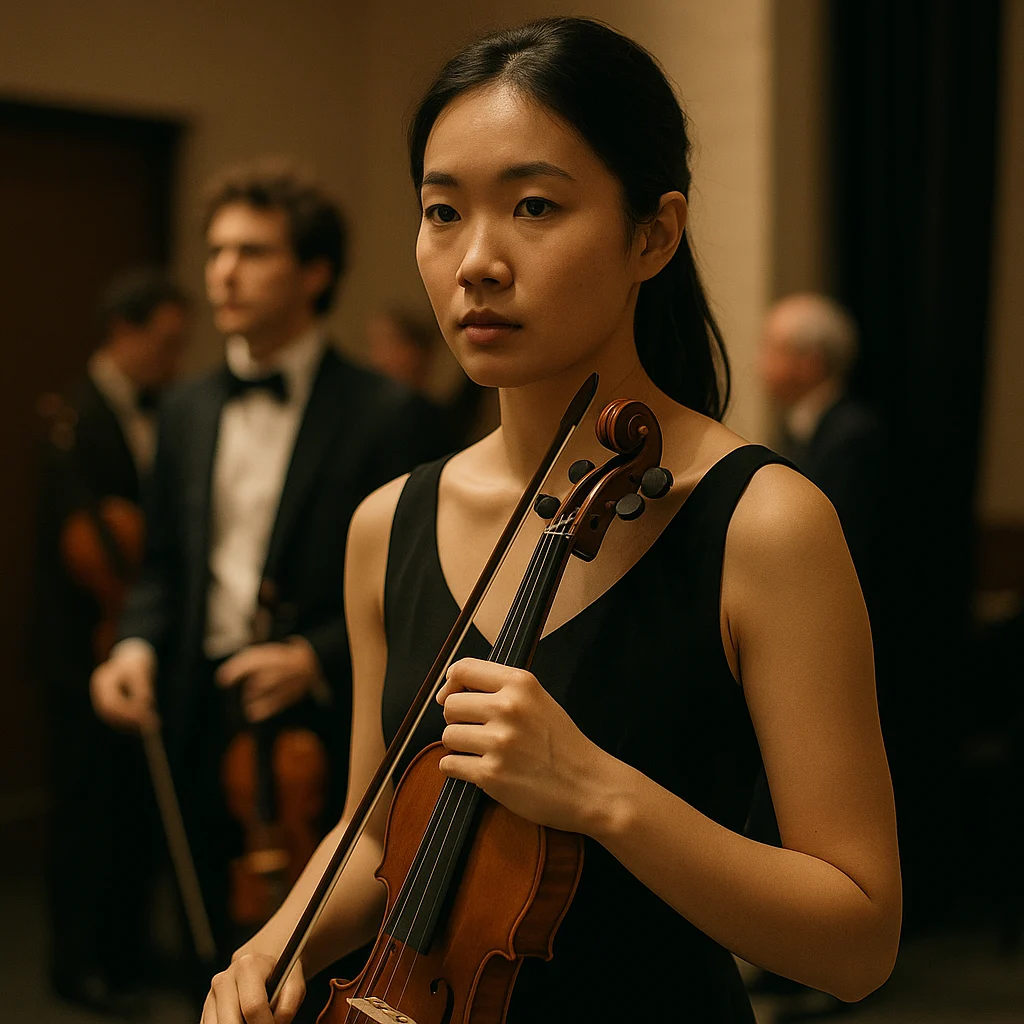
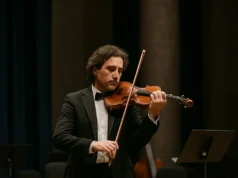
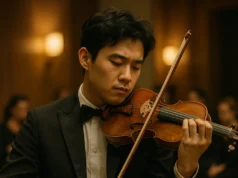
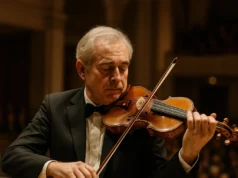
“The Violinist” as a title immediately evokes themes of music and, by extension, the violin’s storied role in classical and contemporary cultures. The film’s inclusion in this prestigious setting may also reflect a growing appetite for narratives marrying traditional art forms with modern storytelling techniques — an approach that resonates with diverse audiences from seasoned performers to casual viewers.
Connecting Music and Animation in a Global Dialogue
Classical music and animation share a rich history of collaboration, from early Disney adaptations to modern music videos and feature films. Each medium enhances the other, with animation providing a visual narrative that can deepen emotional engagement with the music. Singapore’s emergence on this stage expands the dialogue, adding perspectives from Southeast Asia that have historically been underrepresented in global classical music culture and animated storytelling alike.
For performers, especially violinists, the film’s prominence at Annecy could kindle renewed interest in how the violin is portrayed in popular culture and inspire cross-disciplinary projects. Instrument makers and luthiers might also see new opportunities to engage with broader audiences through such artistic expressions, potentially stimulating innovation in how instruments are presented beyond traditional concert halls.
Moreover, students and educators may find “The Violinist” a valuable resource in understanding how classical instruments and their cultural narratives can be interpreted and reimagined within digital media, offering fresh pedagogical avenues.
Looking Ahead: Implications for Local and Global Arts Communities
The screen debut of “The Violinist” in Annecy’s main competition opens pathways for Singapore’s film and animation sectors to gain international stature. It encourages cross-cultural collaborations that blend music heritage with cutting-edge animation technology, further positioning Singapore as a nexus of innovative artistic expression.
Given Annecy’s influence, recognition at this level may also influence funding priorities and audience expectations, not only locally but in the international competitive landscape. Institutions and artists globally might take cues from this development to explore similar integrations, emphasizing the role of traditional instruments within new media.
Why this matters
- Marks a historic milestone as Singapore’s first entry in Annecy’s main competition, illustrating the country’s growing cultural footprint in international animation.
- Highlights the richness of integrating classical music themes, particularly violin culture, into contemporary storytelling, expanding the instrument’s cultural resonance.
- Engages a broad array of stakeholders—from performers and instrument makers to filmmakers and educators—in a dialogue about the future of classical arts within multimedia contexts.
- Signals potential shifts in artistic collaborations and funding within Singapore and the broader international classical and animation ecosystems.
- Challenges established cultural centers by introducing Southeast Asian narratives and perspectives into globally influential artistic forums.
Related topics
- How animation influences public perception of classical musical instruments.
- The role of international festivals in shaping contemporary classical music narratives.
- Emerging trends in combining classical music heritage with digital storytelling mediums.
Editorial Commentary
Historical coverage is essential because the string world is built on continuity: repertories, techniques, schools of craftsmanship, and performance traditions all gain meaning when they are understood in relation to what came before.
Articles like this therefore do more than document the past; they help readers interpret the present through a stronger awareness of musical heritage and of the people and ideas that shaped it.
About The Violin Post
The Violin Post is an international editorial platform dedicated to violin making, classical performance, competitions, instruments, and the wider culture of the string world.
Its coverage connects news reporting with specialist context for readers interested in performers, makers, educators, institutions, and musical heritage.
Related Articles
- Emilio Llinas and Cleveland Museum of Art Illuminate Musical Heritage Through Violin Performance
- Unveiling the Violin’s Quiet Pulse in Caribbean Music and the Artists Sustaining Its Legacy
- A Historic Milestone: The Vienna Philharmonic Welcomes Its First Ethnic Korean Musician
— The Violin Post Editorial Staff