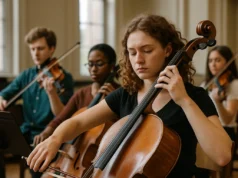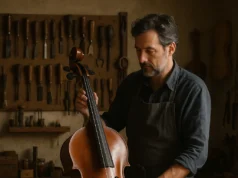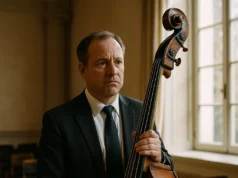

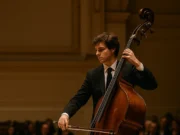
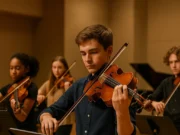
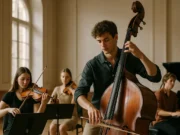
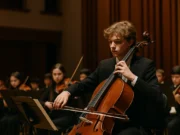
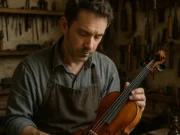
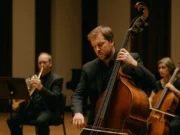
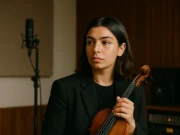
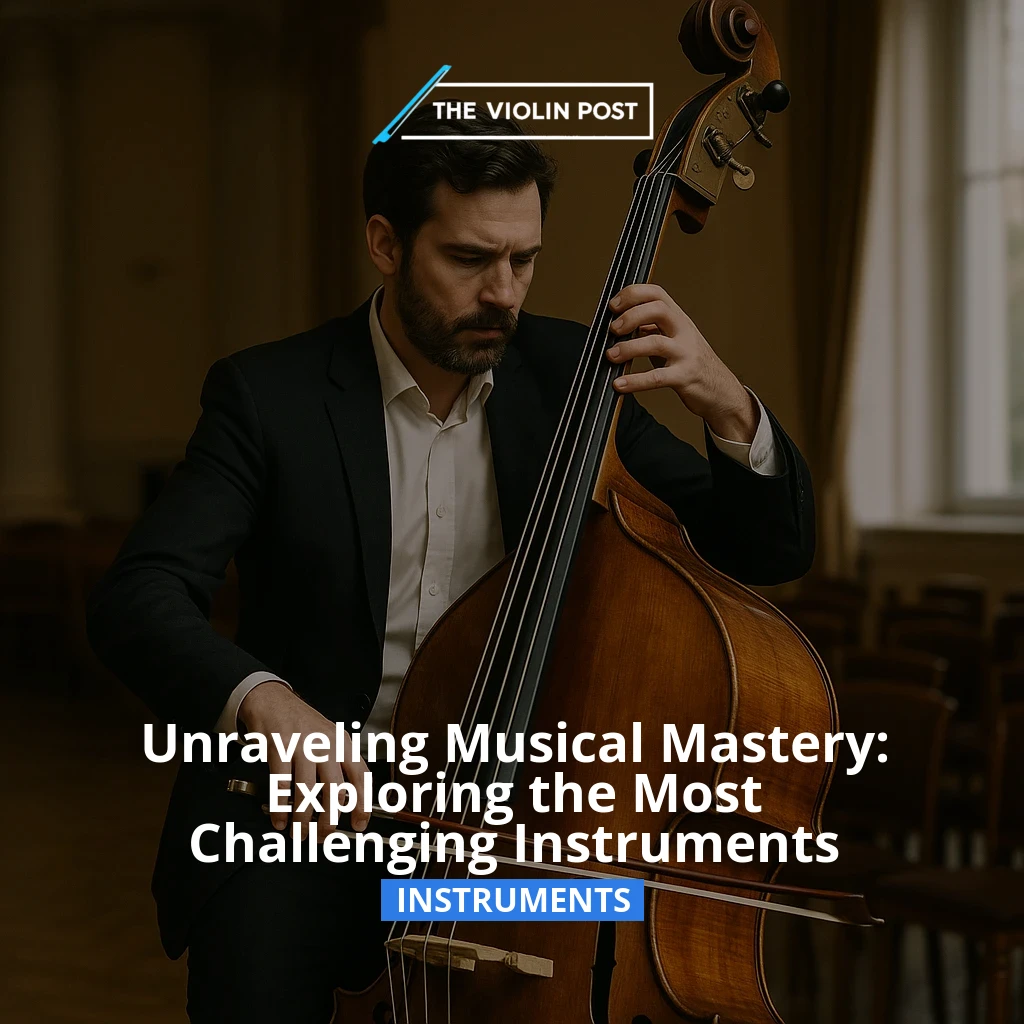
The path to mastering a musical instrument is often strewn with technical and expressive challenges, but some instruments are widely recognized as particularly demanding. Identifying these fiendishly difficult instruments sheds light on the extraordinary skill and perseverance required of musicians, as well as the unique qualities that shape their roles within classical music.
Why Some Instruments Are Harder Than Others
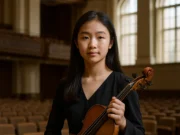
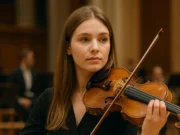
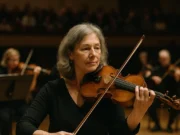
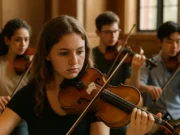
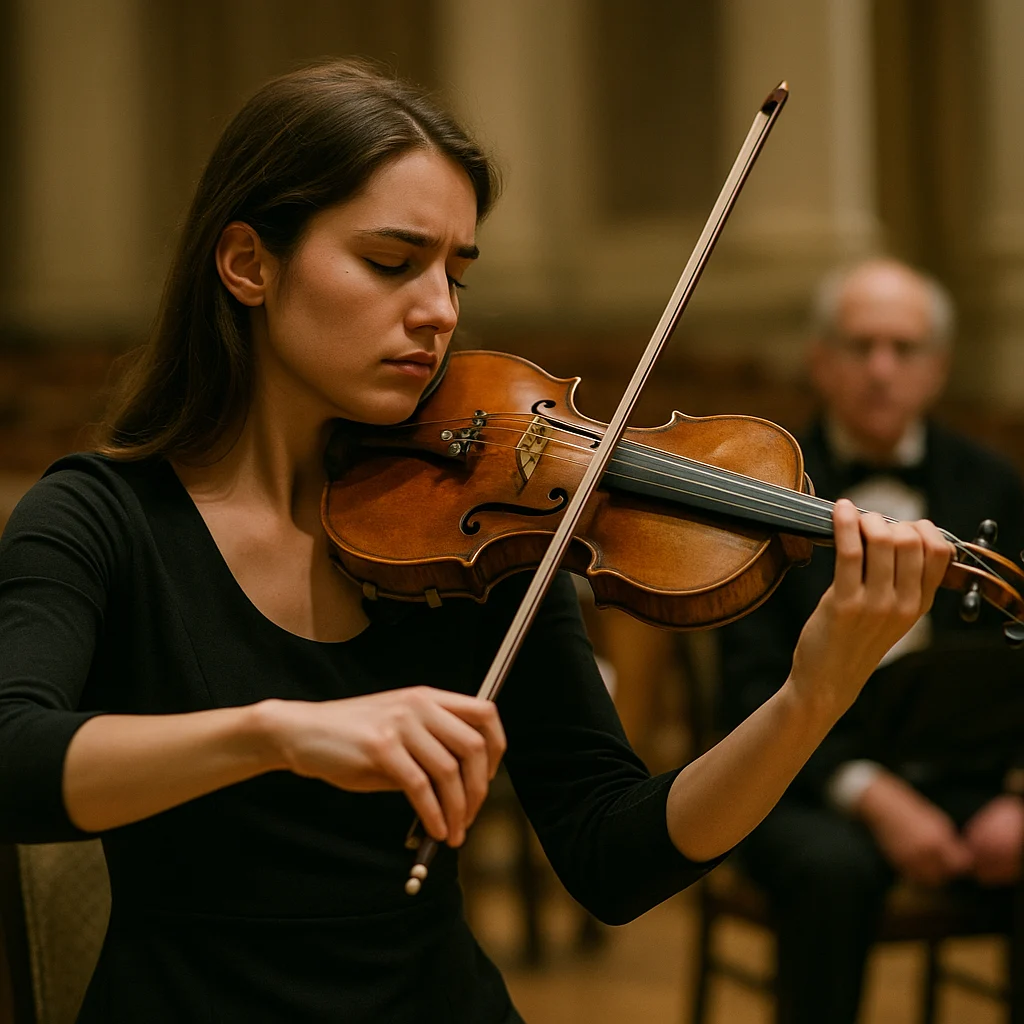
Instrument difficulty is not measured solely by the complexity of the music written for it. Rather, it encompasses physical, technical, and interpretive challenges that require years of focused practice to overcome. For string instruments such as the violin, the absence of frets demands a flawless ear and precise finger placement, making intonation a constant exercise in discipline. The bowing technique further demands coordination and control, balancing subtle pressure and timing to bring out the ideal sound.
Similarly, wind instruments like the French horn are notorious for their difficulty due to their extensive harmonic series and the delicate embouchure control necessary for accurate pitch production. The piano, while more accessible initially, presents its own monumental challenges in mastering the coordination of independent hands and a vast repertoire ranging from micro-dynamics to complex polyrhythms.
Implications for Performers and the Music Ecosystem
The intense challenges posed by these instruments influence the educational trajectory of musicians and the structure of orchestras and chamber groups. Students of these instruments often begin early childhood training accompanied by rigorous methodology, sometimes guided by specialists well-versed in the instrument’s demands. The time investment before reaching professional standards can be substantial, which shapes career planning and repertoire choices.
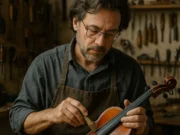
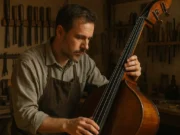
For luthiers and instrument makers, understanding these challenges is crucial in refining ergonomics and acoustical design, aiming to facilitate playability without compromising tonal quality. Orchestral conductors and pedagogues also consider these difficulties when programming pieces or coaching ensemble balance, ensuring that the physical and expressive limits of the instruments are respected to achieve artistic coherence.
Moreover, audiences’ appreciation grows when they recognize the skill needed to overcome these challenges, enriching their concert experience. Competitions and masterclasses often spotlight these instruments’ technical demands, serving as platforms for emerging artists to demonstrate exceptional proficiency and for the classical music community to celebrate virtuosity.
Closing Thoughts
The conversation around the hardest musical instruments underscores more than just technical hurdles; it reveals the dedication, artistry, and continuous evolution embedded within classical music culture. While certain instruments may pose steeper climbs, the richness of the soundscape and expressive possibilities they offer justify the effort required. For musicians and educators alike, understanding these intrinsic challenges fosters a deeper respect for the craft and encourages supportive environments conducive to artistic growth.
Why this matters
- Spotlights the dedication required to master demanding instruments, informing educators and students alike.
- Highlights considerations for instrument makers and orchestras in addressing technical challenges.
- Provides context for audiences to appreciate the nuances behind performance mastery.
- Influences programming and pedagogical approaches within the classical music ecosystem.
- Signals areas where innovation might ease the physical demands on performers, without sacrificing artistic integrity.
Related topics
- How the design of instruments affects playability and sound quality
- Training regimens and psychological resilience in mastering difficult instruments
- The role of virtuosity in shaping classical music careers and audience expectation
Editorial Commentary
Instrument-centered articles are valuable because they connect sound, materials, construction, and performance practice. For specialists and enthusiasts alike, they provide insight into the physical objects that stand at the heart of musical interpretation.
Read in a broader way, this type of story helps explain why the history and evolution of the $instrument_label still matter today to makers, performers, collectors, educators, and serious listeners.
About The Violin Post
The Violin Post is an international editorial platform dedicated to violin making, classical performance, competitions, instruments, and the wider culture of the string world.
Its coverage connects news reporting with specialist context for readers interested in performers, makers, educators, institutions, and musical heritage.
Related Articles
- Reimagining Grieg: The Cello Sonata Transcribed for Double Bass
- Georgia Tech Identifies Finalists for Its Innovative Musical Instrument Competition
- Mirecourt’s 2023 Violin and Bow Making Competition Highlights New Generations of Artisans
— The Violin Post Editorial Staff