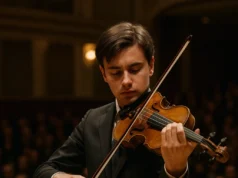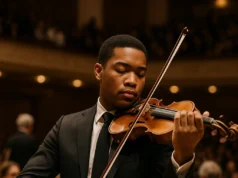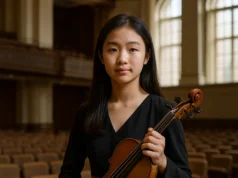

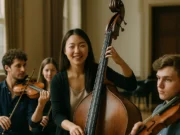
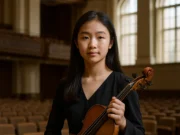
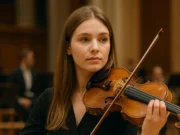
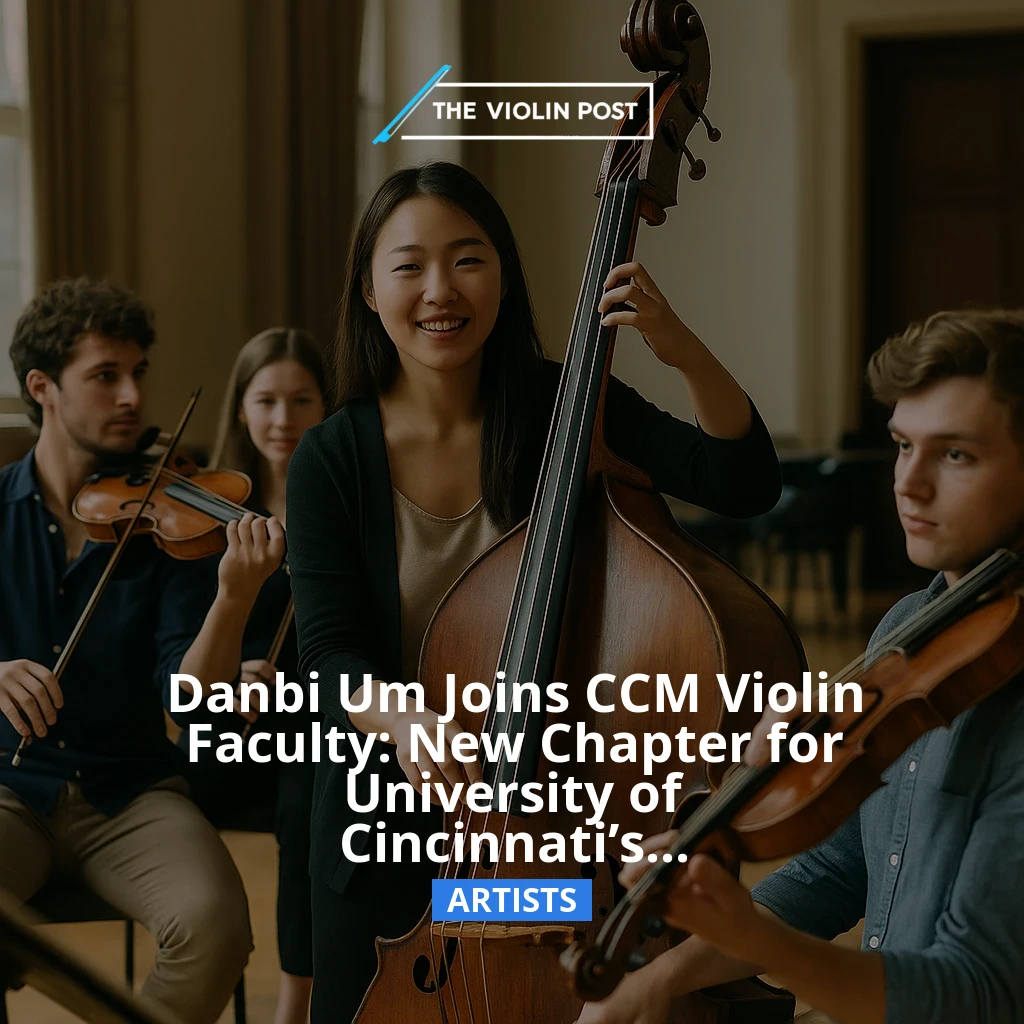
The University of Cincinnati’s College-Conservatory of Music (CCM) announced the appointment of Danbi Um as a new member of its violin faculty. This hire signals an important expansion and reinforcement of CCM’s robust string department, bringing notable expertise and fresh perspectives to one of the nation’s prominent music conservatories.
Elevating String Instruction at CCM
CCM has long maintained a reputation as a leading institution for musical education in North America, and the addition of Danbi Um to its violin faculty is positioned to both uphold and enhance that legacy. Faculty appointments in such conservatories carry great weight as they directly shape the artistic development of emerging musicians and influence the pedagogical approaches that become standards within the professional community.
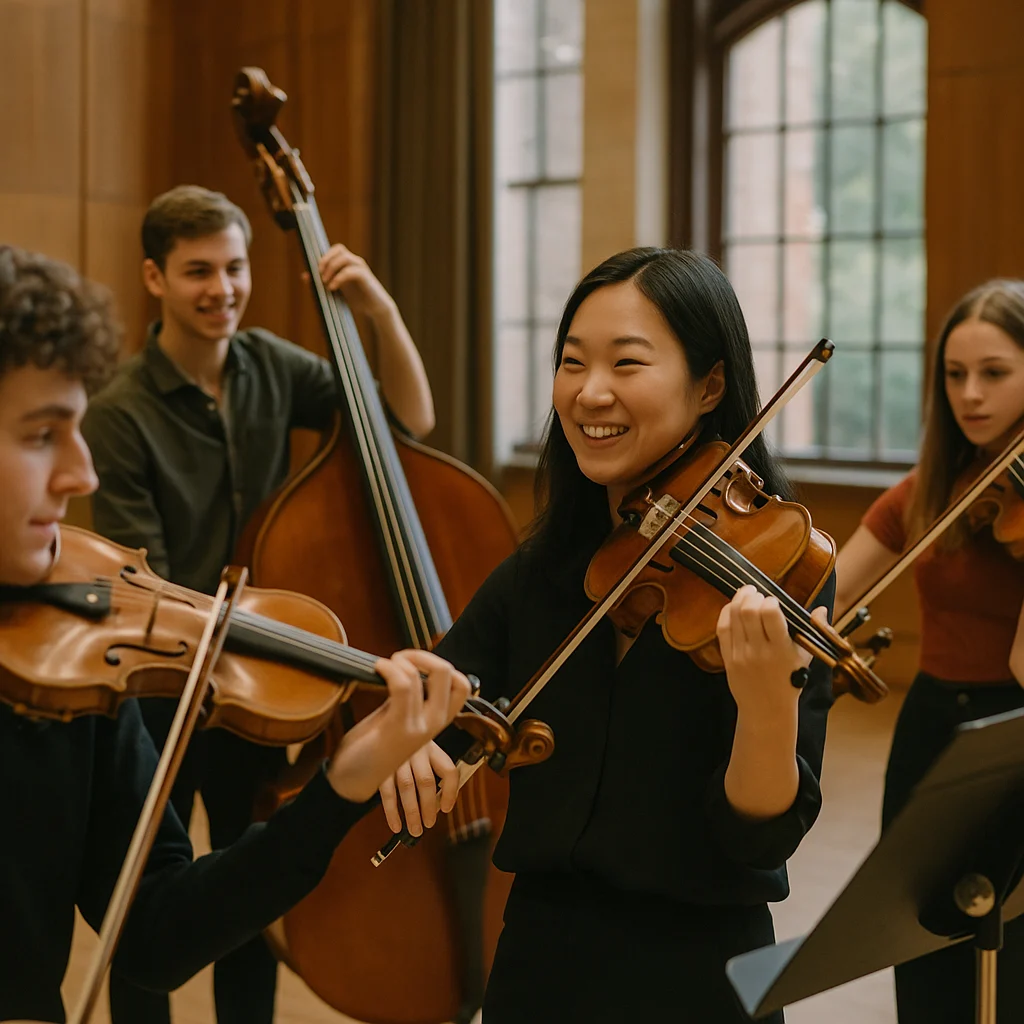
While detailed profiles and career highlights of Danbi Um were not provided in the immediate announcement, it is understood that CCM’s search for a violin instructor involves stringent criteria focused on performance excellence, teaching acumen, and the ability to mentor students across a variety of styles and career trajectories. The selection of Um reflects CCM’s ongoing investment in faculty who can nurture versatile, deeply skilled violinists prepared for the contemporary classical music landscape.
Context within the Broader Educational and Performance Ecosystem
Faculty transitions at respected conservatories such as CCM resonate beyond campus boundaries. Performers, students, and institutions nationwide observe these moves closely as indicators of evolving educational priorities and opportunities. For students, having access to distinguished instructors like Um means exposure to high-caliber musicianship and up-to-date interpretive techniques, crucial for their careers as soloists, chamber musicians, orchestra members, or educators.
From the perspective of the classical music community, teaching staff additions introduce fresh artistic visions that can influence programming choices, commissioning projects, and collaborations with orchestras or festivals. Such faculty engagements often ripple through the violin, viola, cello, and double bass communities, shaping artistic trends and approaches in performance and teaching. Meanwhile, makers and collectors benefit indirectly as the developing generations of performers advocate for instruments and bows that suit their artistic identities.
What This Means for CCM and Its Community
Within CCM, faculty appointments like this are central to maintaining the conservatory’s status as a destination for serious violinists. The university’s commitment to musical excellence is embodied by the professors it attracts and the mentorship provided to students.
Moreover, the presence of a new faculty member such as Danbi Um opens potential pathways for innovative curricular development, expanded masterclass opportunities, and enriched interaction between students and a faculty member engaged in current performance and pedagogical practices. These factors are essential for preparing graduates to succeed in the competitive classical music arena.
Why this matters
- The appointment strengthens CCM’s violin faculty, impacting student training and institutional prestige.
- Students gain access to fresh insights and an expanded network through an experienced new instructor.
- Other music schools and professionals monitor such appointments as markers of shifts in educational priorities.
- The classical music ecosystem benefits from the diffusion of new teaching methodologies and performance approaches.
- Collectors and luthiers remain attentive as faculty influence the next generation’s instrumental preferences.
Related topics
- How faculty changes influence conservatory programming and pedagogy
- The role of violin instructors in shaping competitive musicians
- Trends in string department development across top US music schools
Editorial Commentary
Artist-focused coverage is especially valuable because careers in the string world are built not only through performances, but through repertoire choices, collaborations, educational paths, and the ability to connect with audiences over time.
Seen from that perspective, this story helps readers place the featured musician within a broader professional and artistic conversation that matters to performers, presenters, students, and listeners alike.
About The Violin Post
The Violin Post is an international editorial platform dedicated to violin making, classical performance, competitions, instruments, and the wider culture of the string world.
Its coverage connects news reporting with specialist context for readers interested in performers, makers, educators, institutions, and musical heritage.
Related Articles
- Daniel Lozakovich Explores a Varied Repertoire in Debut Album
- Randall Goosby on His Enduring Affection for Lyrical Violin Concertos
- IMG Artists Adds Violinist Chloe Chua to Its Management Roster
— The Violin Post Editorial Staff