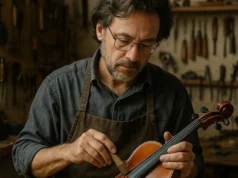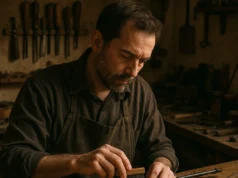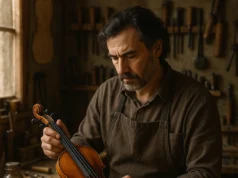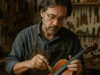

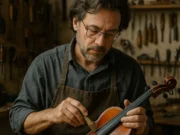
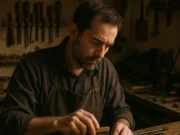
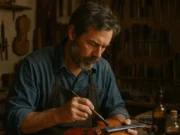
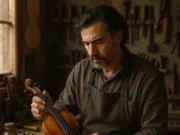
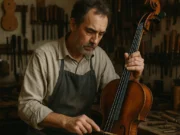
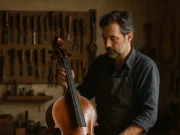
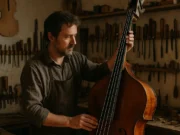
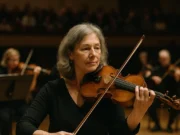
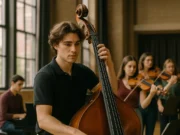
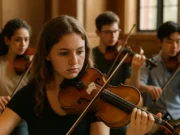
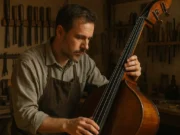
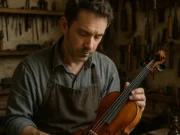
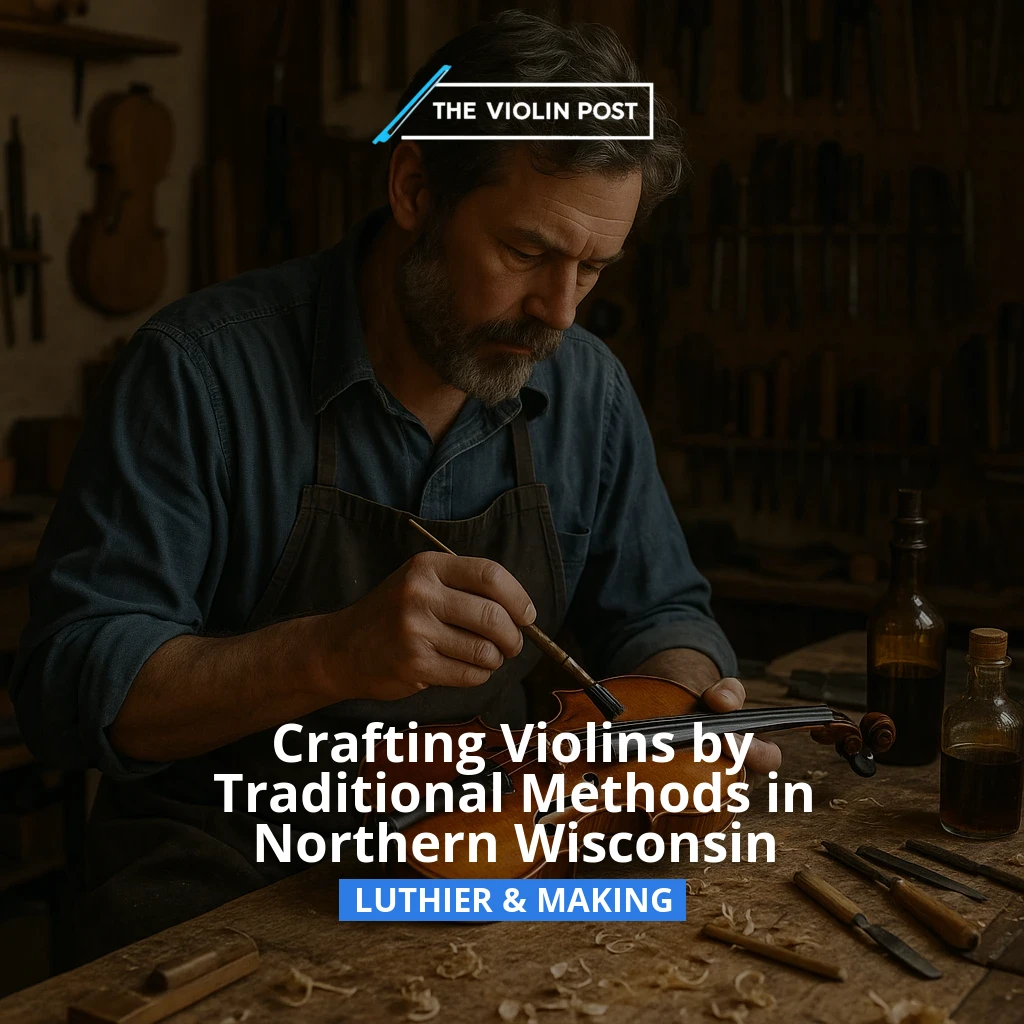
In a quiet workshop nestled within the woods of Northern Wisconsin, the art of violin making persists in its most authentic form. Here, the delicate instruments are crafted not by machines or shortcuts, but by hand—following methods passed down through centuries, embodying a legacy of precision, patience, and profound understanding of tone and wood.
A Journey Back to Time-Honored Craftsmanship
The process of making violins the old way involves meticulous carving, shaping, and assembling each component with care. From selecting the right spruce and maple tonewoods to applying varnish mixed with natural resins, every step demands an intimate familiarity with materials and acoustic principles. The luthier’s hands become instruments themselves, coaxing shape and sound out of raw timber. Unlike modern mass production, which prioritizes speed and uniformity, this traditional approach places the quality of sound and spiritual connection to music at its heart.
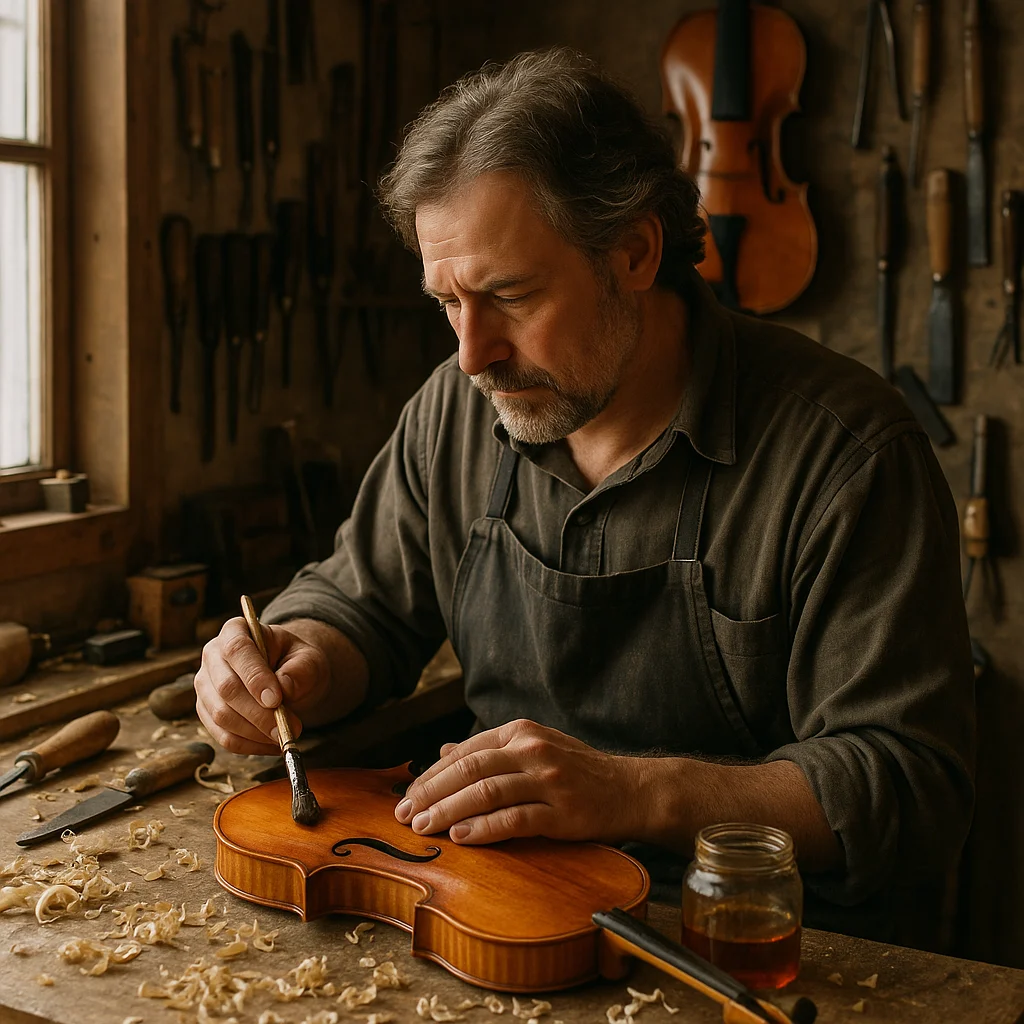
Such workshops serve as living museums of violin making techniques long considered foundational to Western classical music. By preserving these practices, the craftsperson maintains a vital link to iconic traditions championed by legendary makers in Cremona and beyond.
The Larger Significance in the Classical Music Ecosystem
For performers and institutions worldwide, violins fashioned with this kind of dedication remain prized for their unique tonal qualities and responsiveness. Instruments built through traditional means can offer a distinctive voice, often sought after by soloists, orchestras, and chamber groups alike. Furthermore, the preservation of these skills influences the training of contemporary luthiers, keeping alive a precise understanding of instrument acoustics, aesthetics, and heritage.
Collecting and maintaining these handcrafted violins also intersects with musical heritage conservation. They embody centuries of expertise and innovation, connecting musicians and audiences with an auditory and tactile history that mass manufacturing seldom replicates.
For students and emerging professionals, exposure to such craftsmanship offers lessons beyond technique—imbuing respect for the instrument’s cultural roots and the painstaking labor behind every note produced.
Why this matters
- Revitalizing traditional violin making sustains cultural and artisanal heritage that modern production methods risk erasing.
- Performers gain access to instruments with distinctive tonal character and nuanced responsiveness not found in mass-produced violins.
- Luthiers and students benefit from continued transmission of classic craftsmanship critical for the evolution of instrument making.
- This practice strengthens the broader classical music community’s connection to its historical roots and artistic values.
- Preserving these skills ensures future generations can experience the rich diversity of string instrument sounds integral to musical expression.
Related topics
- The role of master luthiers in shaping modern violin making standards
- How historic violin craftsmanship influences contemporary performers’ instrument choices
- The interplay between instrument making traditions and regional musical cultures
Editorial Commentary
Coverage related to violin making is important because instruments are never separate from the musical culture around them. Craftsmanship, tonal research, restoration practice, and workshop traditions all influence how performers experience and present sound.
In this context, stories connected to makers and workshops help readers see how the legacy of the $instrument_label is preserved, interpreted, and renewed through the work of contemporary luthiers and institutions.
About The Violin Post
The Violin Post is an international editorial platform dedicated to violin making, classical performance, competitions, instruments, and the wider culture of the string world.
Its coverage connects news reporting with specialist context for readers interested in performers, makers, educators, institutions, and musical heritage.
Related Articles
- Honoring a Unique Convergence of Cultural Scholarship and Violin Craftsmanship at Cal Poly Humboldt
- Remembering Michael Jaumann: German Violin Maker and Expert Restorer (1966–2025)
- Artificial Intelligence and the Pernambuco Bow: Combating Illegal Logging by 2026
— The Violin Post Editorial Staff