
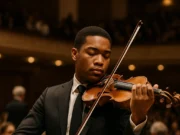
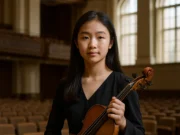
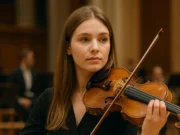
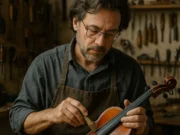
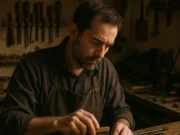
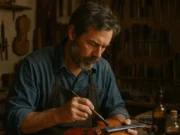
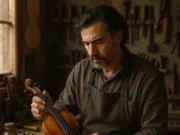
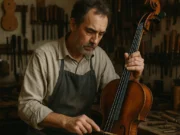
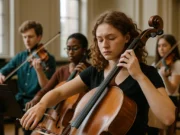
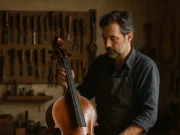
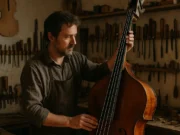
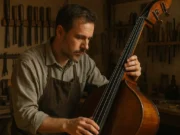
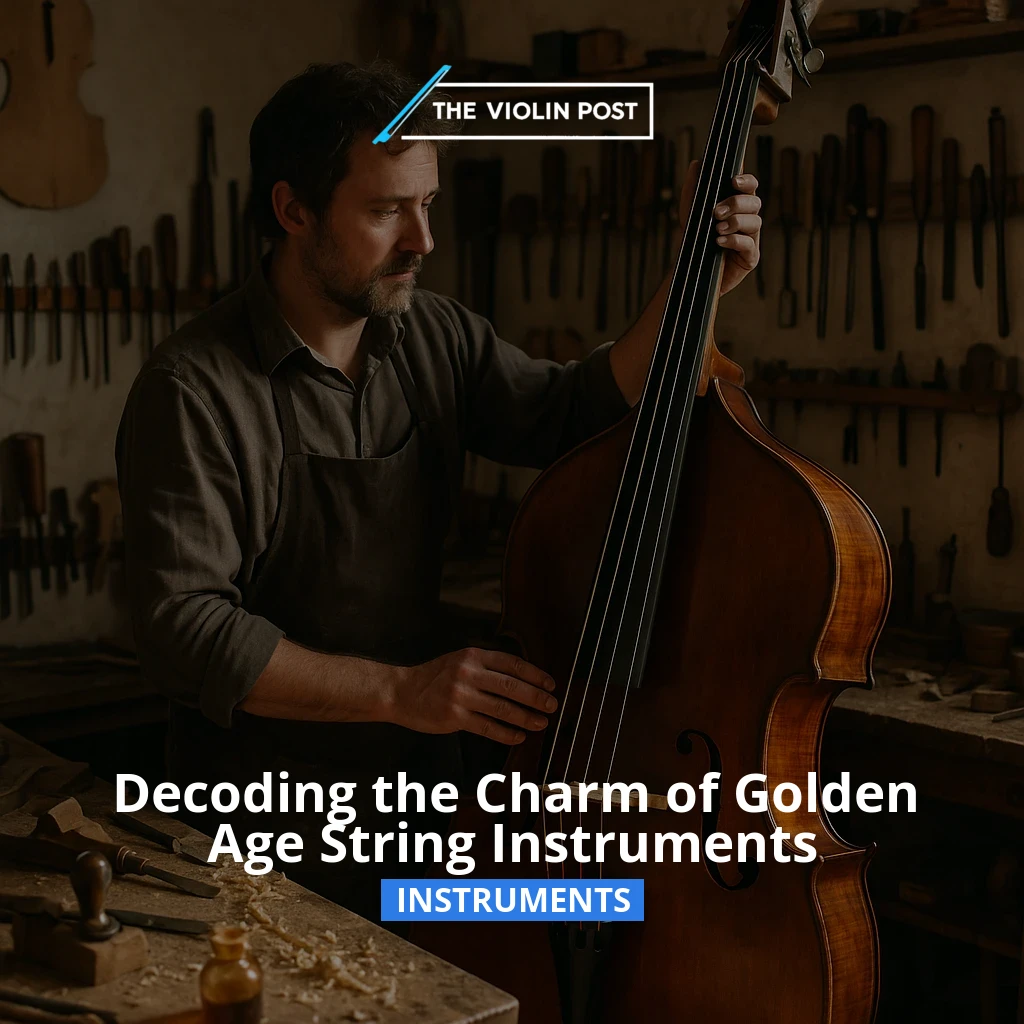
Few objects in the world of classical music elicit as much fascination and reverence as string instruments born in the so-called Golden Age of lutherie. Instruments crafted in 17th- and 18th-century Cremona by makers like Antonio Stradivari, Giuseppe Guarneri, and their contemporaries are renowned not only for their exquisite craftsmanship but also for their unparalleled tonal qualities, which remain a subject of rigorous inquiry and admiration.
Peeling Back Layers of History and Craftsmanship
Despite centuries of scholarship and technological advances in sound analysis, the precise reasons behind the unique voice of Golden Age violins, violas, and cellos resist simple explanation. Factors such as the type of wood, varnish recipes, craftsmanship techniques, and the aging process intersect in complex ways. Researchers have employed dendrochronology to study wood sourcing, chemical analyses to understand varnish composition, and acoustical measurements to profile their sound output. Even so, the ‘secret formula’ remains elusive, nurturing an aura of mystery around these instruments.
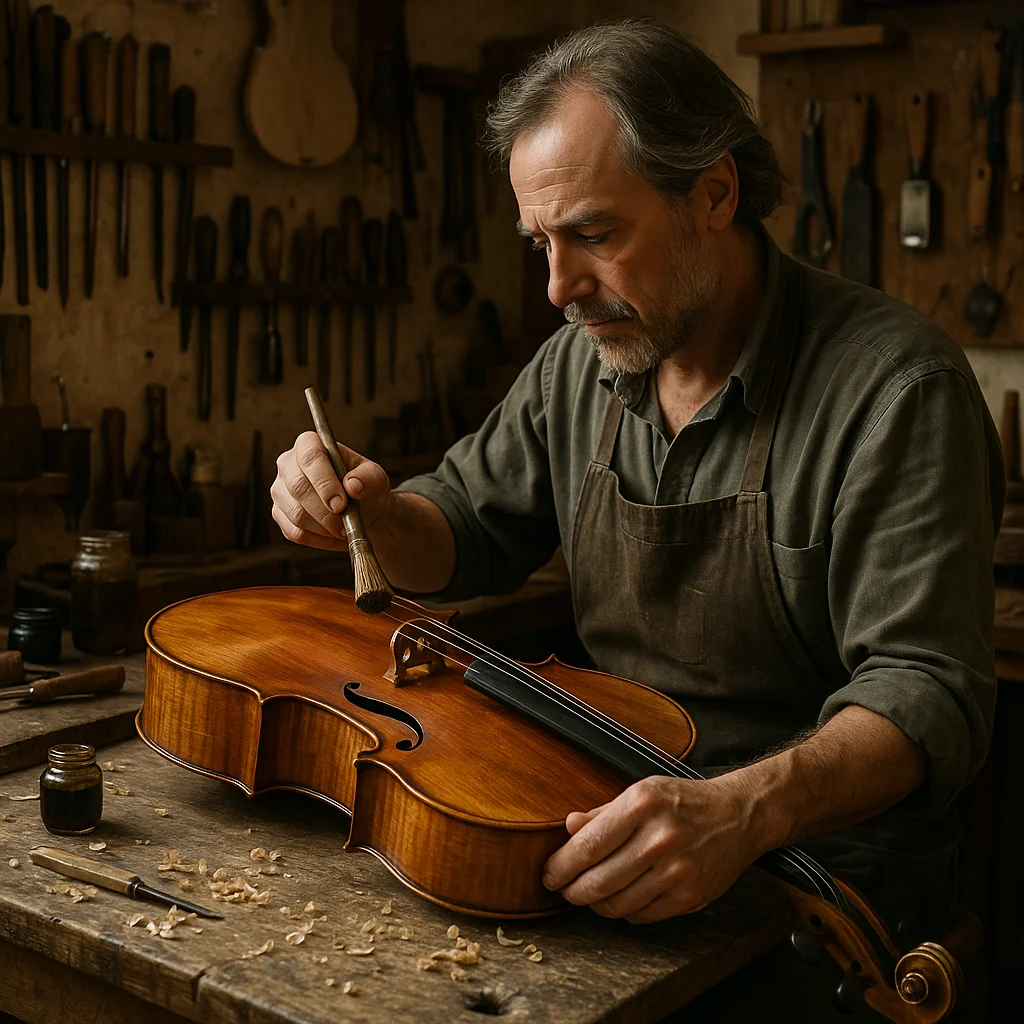
For professional performers striving to capture the essence of Baroque and Classical repertoire, these instruments offer an expressive palette that modern counterparts sometimes struggle to fully replicate. This has kept demand high, with orchestras, soloists, and chamber ensembles seeking access to authentic period instruments or high-quality copies that aspire to the Golden Age ideal.
Implications for Performers, Makers, and Audiences
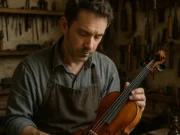
Luthiers continue to study and draw inspiration from Golden Age models, attempting to distill and apply historical techniques in contemporary instrument making. These efforts impact not only instrument availability but also preservation strategies. Conservationists and collectors must balance maintaining historical authenticity with practical usability, ensuring these precious instruments can continue to speak across generations.
Meanwhile, the ongoing fascination with Golden Age violins energizes the classical music ecosystem. Students and educators engage with these instruments as benchmarks of tonal excellence, guiding pedagogical approaches. For audiences, the opportunity to hear such instruments live connects listeners intimately with music history and the human craftsmanship behind it.
Why this matters
- The continuing exploration of Golden Age instruments enriches understanding of violin-making heritage and informs contemporary practices.
- Performers gain insight into tonal ideals that influence interpretation and instrument choice.
- Lutherie communities benefit from deeper material and historical knowledge, promoting preservation and innovation.
- Audience appreciation of live classical music deepens through the unique sound qualities these instruments provide.
Related topics
- The role of historically informed performance in modern concerts
- Techniques and challenges in authentic instrument restoration
- How maker traditions influence contemporary violin making
Editorial Commentary
Instrument-centered articles are valuable because they connect sound, materials, construction, and performance practice. For specialists and enthusiasts alike, they provide insight into the physical objects that stand at the heart of musical interpretation.
Read in a broader way, this type of story helps explain why the history and evolution of the $instrument_label still matter today to makers, performers, collectors, educators, and serious listeners.
About The Violin Post
The Violin Post is an international editorial platform dedicated to violin making, classical performance, competitions, instruments, and the wider culture of the string world.
Its coverage connects news reporting with specialist context for readers interested in performers, makers, educators, institutions, and musical heritage.
Related Articles
- Gary Karr Reflects on Common Misunderstandings About the Double Bass
- Unraveling Musical Mastery: Exploring the Most Challenging Instruments
- Reimagining Grieg: The Cello Sonata Transcribed for Double Bass
— The Violin Post Editorial Staff