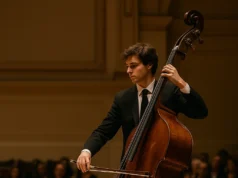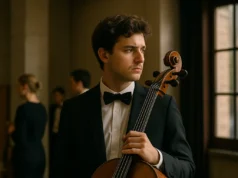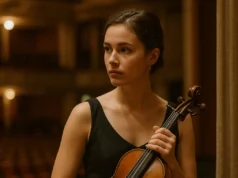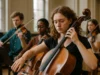

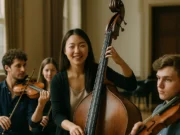
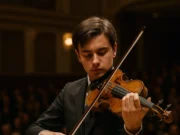
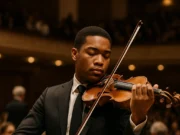




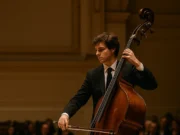
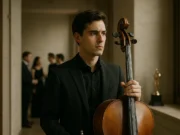
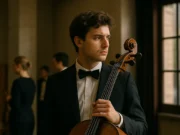
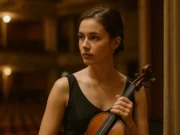
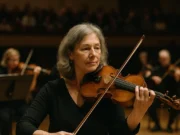
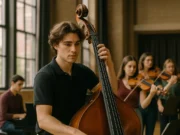
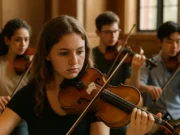
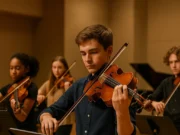
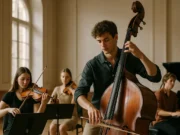

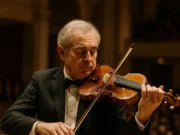
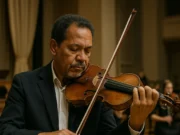
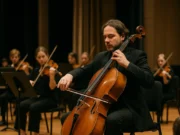
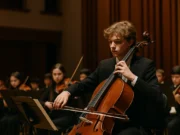

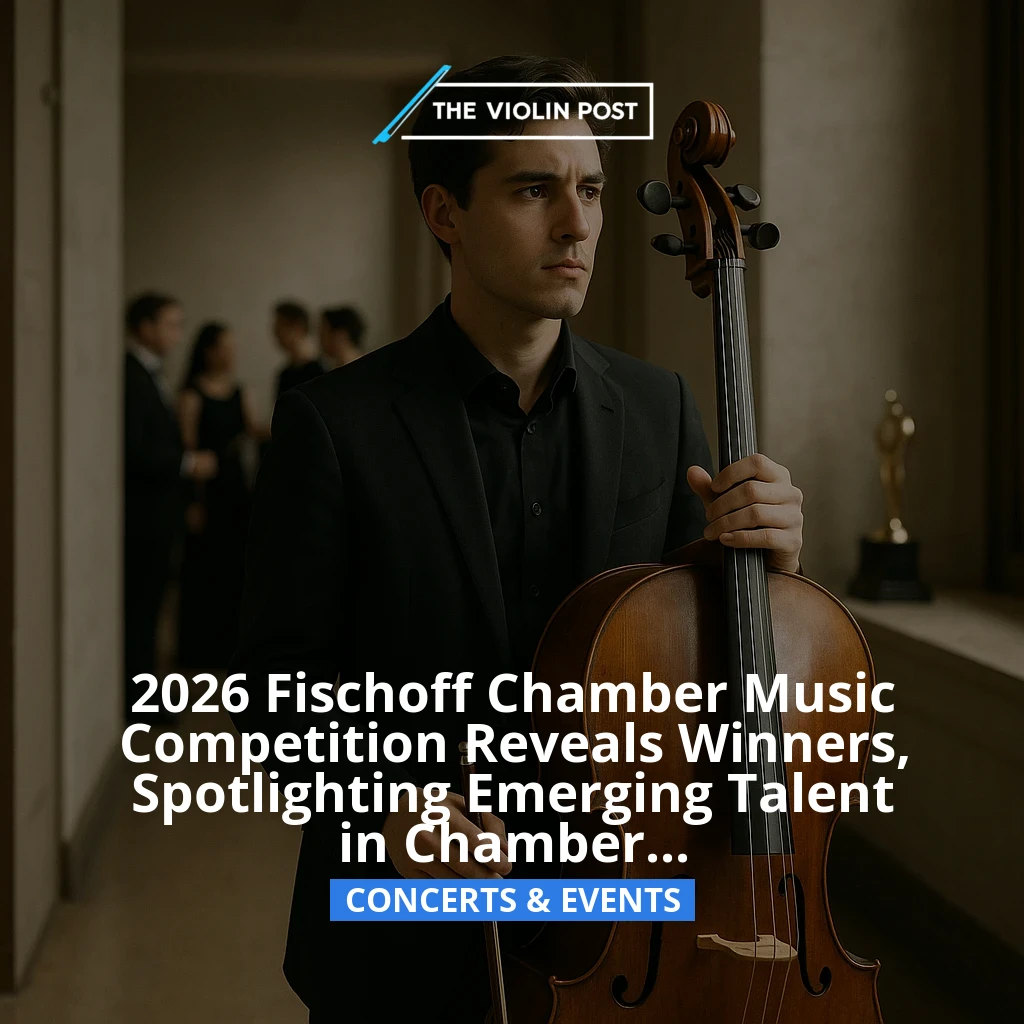
The 2026 Fischoff Chamber Music Competition finalists have been declared, marking yet another chapter in the competition’s influential role within the chamber music landscape. As the largest and one of the most respected contests of its kind in North America, Fischoff has long been a proving ground for young ensembles dedicated to chamber repertoire across instruments such as violin, viola, cello, and beyond.
Context and Significance of the Fischoff Competition
Established in 1973, the Fischoff National Chamber Music Competition has provided a platform not only for emerging musicians to showcase their artistry but also to build professional networks and gain visibility within the classical community. The competition’s rigorous selection process and high standards have seen many past participants go on to distinguished careers as soloists, chamber musicians, and educators.
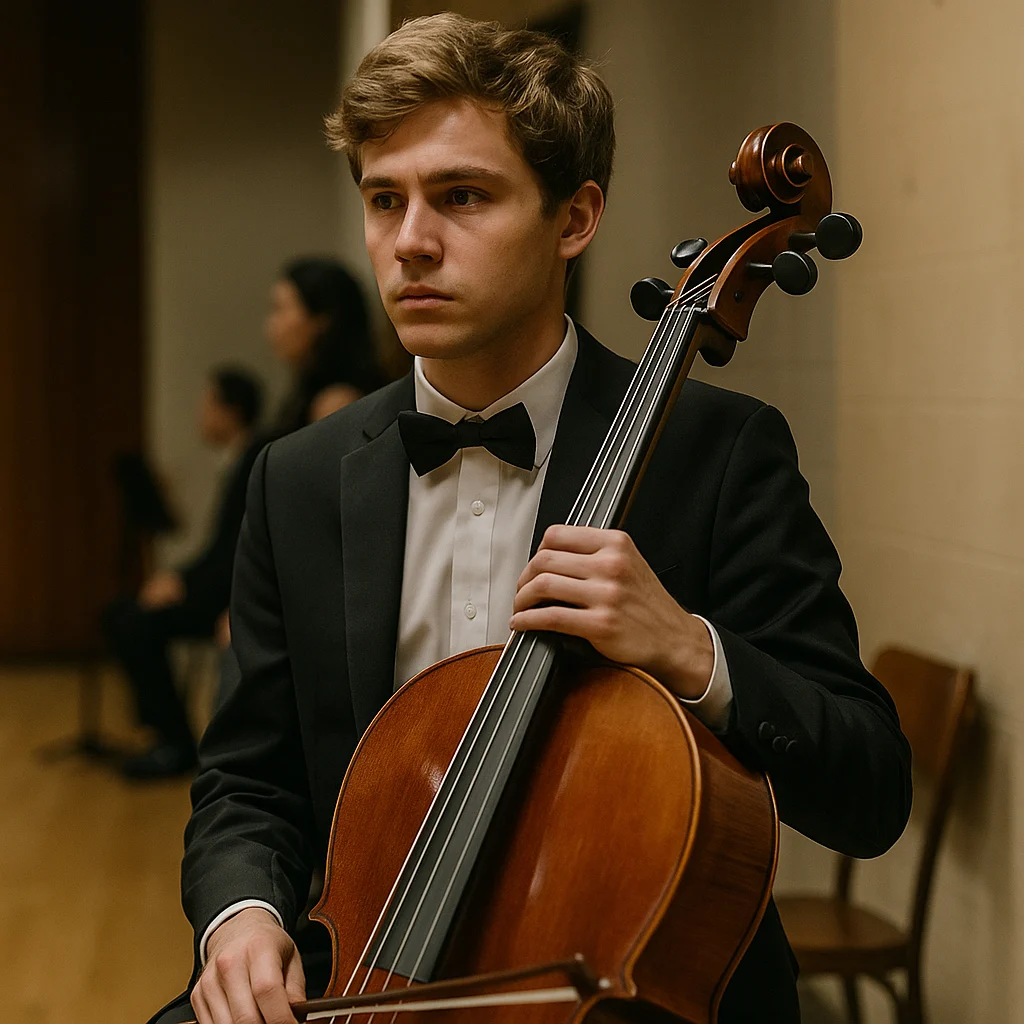
Participants often include students from conservatories, university music programs, and young professionals who engage with demanding and diverse repertoires. The competition underscores chamber music’s vital role as a collaborative and interpretive discipline, distinct from and complementary to solo performance.
Who Benefits from the Announcement of Winners?
While the recent announcement celebrates the winning ensembles, the implications extend to a broader spectrum of performers, institutions, and audiences. For the winning musicians, success in Fischoff can translate into increased performance opportunities, recording projects, and invitations to festivals and concert series.
Music educators and institutions also benefit by leveraging the competition’s visibility to attract promising students and foster high-level chamber music training. For orchestras and presenters, the competition highlights fresh talent that may enrich programming choices and audience engagement. Collectors and patrons of the arts gain insight into the next generation of artists deserving support.
Fischoff’s Role in the Broader Chamber Music Ecosystem
The competition occupies a crucial niche in classical music’s ecosystem by encouraging the sustained practice and evolution of chamber music traditions. By challenging participants with a wide-ranging repertoire — from classical staples to contemporary compositions — Fischoff fosters artistic growth and a deeper engagement with musical dialogue.
Moreover, its non-profit status and emphasis on community outreach underscore a commitment to making chamber music more accessible and relevant to diverse audiences. This further cements the competition’s role as both a catalyst for artistic excellence and a vehicle for expanding the cultural reach of chamber music.
Looking Ahead
As the 2026 winners embark on the next phase of their careers, the competition’s outcomes serve as a snapshot of emerging trends in ensemble building, repertoire choices, and interpretative approaches. Following their careers over the coming years will be instructive for understanding how such platforms shape not only individual trajectories but also the evolving contours of chamber music performance and education.
Why this matters
- The announcement highlights young ensembles poised to impact the classical music world.
- It affects a wide array of stakeholders including performers, educators, institutions, and audiences.
- Fischoff’s outcomes provide insight into current and emerging chamber music practices.
- The competition supports the ongoing vitality and accessibility of chamber music as an art form.
- Watching the winners’ future careers offers a lens on the classical music ecosystem’s development.
Related topics
- The role of competitions in launching chamber music careers
- How chamber repertoire selection reflects contemporary musical trends
- Educational pathways and mentorship in chamber music training
Editorial Commentary
Concert reporting matters because live performance remains the place where interpretation, repertoire, audience response, and artistic identity meet most visibly. For the string community, events like this also reveal how institutions and local scenes help sustain musical culture.
Beyond the single occasion, this kind of article helps readers understand programming choices, community engagement, and the evolving role of concerts in keeping the repertoire of the violin family present and relevant.
About The Violin Post
The Violin Post is an international editorial platform dedicated to violin making, classical performance, competitions, instruments, and the wider culture of the string world.
Its coverage connects news reporting with specialist context for readers interested in performers, makers, educators, institutions, and musical heritage.
Related Articles
- The 2026 Chesapeake Chamber Music Competition: A Continuing Platform for Emerging Ensembles
- The 2026 Lyon International Chamber Music Competition: A New Chapter for Emerging Ensembles
- Joan Blackman Appointed Concertmaster of Vancouver Island Symphony: A New Chapter for Nanaimo’s Premier Orchestra
— The Violin Post Editorial Staff