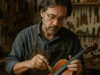

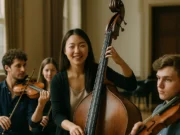
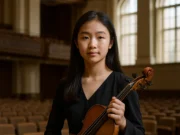
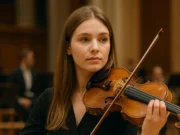
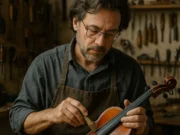
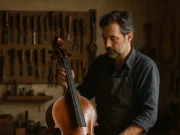
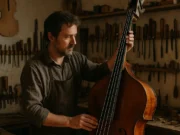
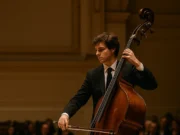
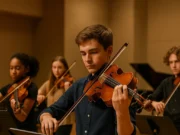
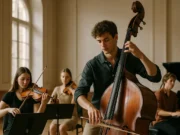
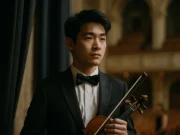
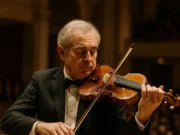
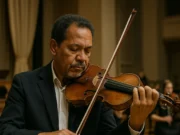
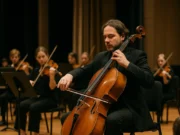
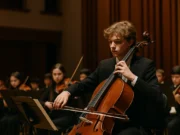
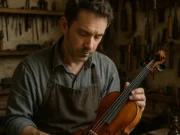
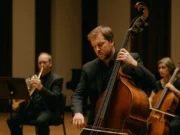
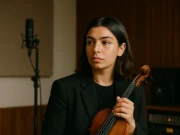
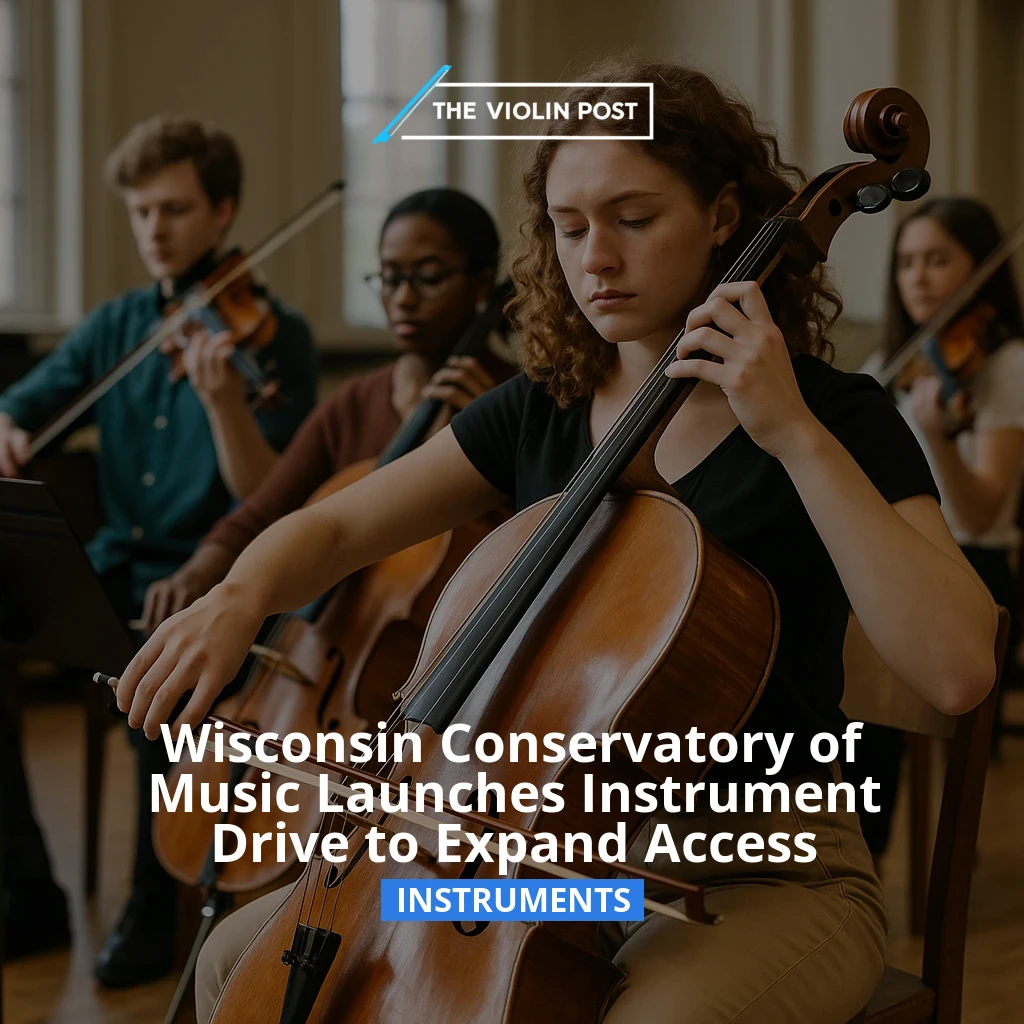
At the heart of Milwaukee’s vibrant musical landscape, the Wisconsin Conservatory of Music has initiated an important instrument drive. This initiative is designed to address a persistent obstacle in musical education—the limited availability of quality instruments for students and community members eager to engage with music.
Founded to provide comprehensive music education across genres and ages, the Conservatory is now calling on the community to donate instruments. These contributions will directly support learners who lack the means to obtain their own, a barrier that too often restricts access to instrumental music study.
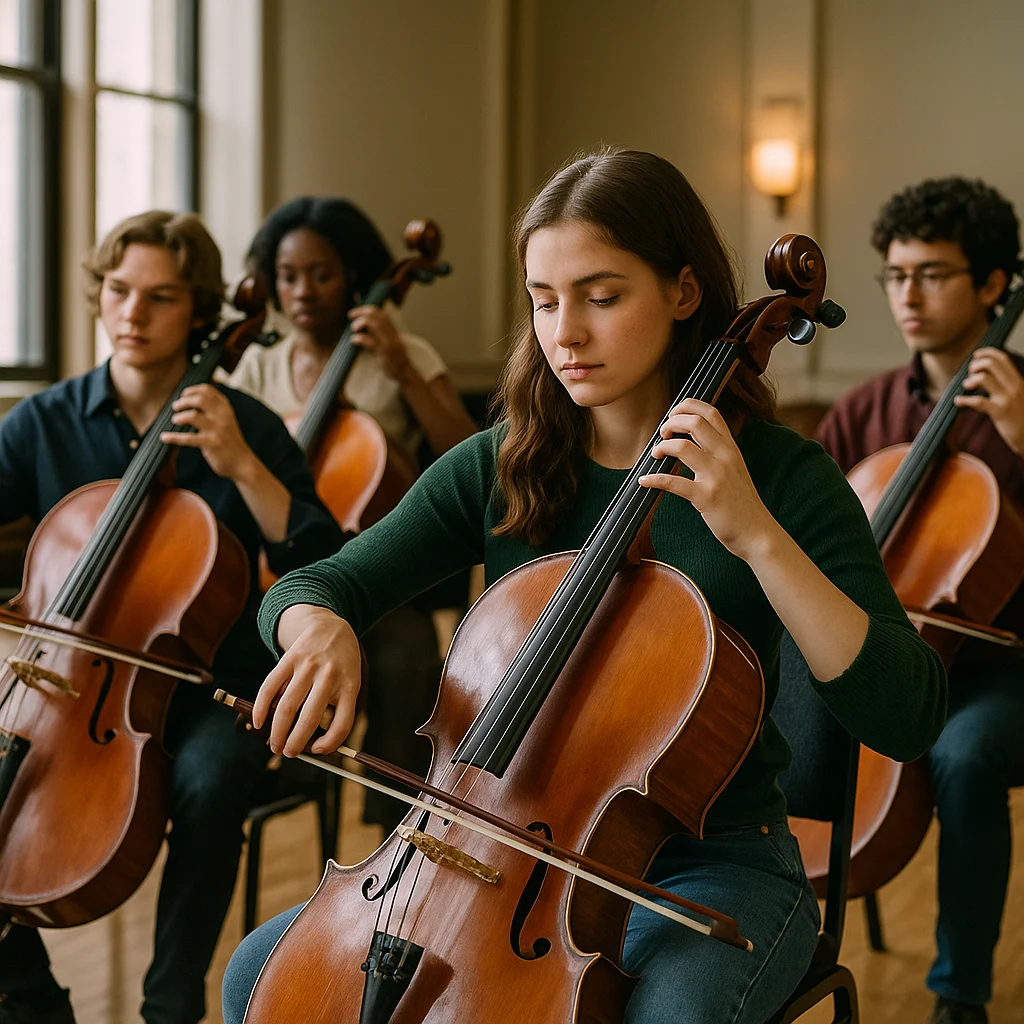
Filling a Gap in Musical Education
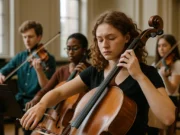
The scarcity of accessible instruments represents a significant hurdle for music educators and students alike. Especially in diverse urban environments like Milwaukee, the cost and upkeep of instruments can prevent talented individuals from pursuing their musical passions. By fostering an instrument drive, the Conservatory takes a proactive step towards equity, ensuring that students can explore instruments ranging from violin and viola to cello and beyond.
For music teachers, this initiative means being able to offer instruction without the limitation of students lacking proper tools. For parents and families, it alleviates the financial strain often associated with starting and sustaining lessons. And for students, having access to a quality instrument can be a transformative gateway to artistic development and personal growth.
Community Impact and the Broader Classical Music Ecosystem
This instrument drive resonates beyond the walls of the Conservatory, affecting Milwaukee’s wider music community. Local orchestras, ensembles, and music programs that serve youth and underserved populations stand to benefit as more musicians gain access to the instruments they need. Moreover, by nurturing early engagement with strings and other classical instruments, the drive indirectly supports the future of classical music performance and appreciation in the region.
Instrument donations not only breathe new life into these objects but also enrich the cultural fabric of the city. The initiative echoes broader trends within classical music and lutherie communities to increase inclusivity and sustain the next generation of musicians amidst evolving societal needs.
As these donated instruments find new homes, the Conservatory reinforces its role as a cultural steward, educator, and collaborator. It is a reminder that music education thrives on shared resources and communal support, foundational pillars for classical traditions to flourish in contemporary settings.
Looking Ahead: Sustaining Access and Opportunity
While this drive addresses a current need, it also sets the stage for ongoing dialogue and action regarding access to music education. Conservation of donated instruments, continued outreach, and integration with scholarship programs or rental initiatives could amplify the drive’s impact over time.
For stakeholders—including teachers, students, parents, orchestras, luthiers, and collectors—the success of such efforts invites reflection on how best to maintain a healthy ecosystem in which instruments are not only crafted and preserved but effectively circulated to those who will bring them to life.
Ongoing collaboration between educational institutions, funders, and community members is vital. The Wisconsin Conservatory’s initiative thus serves as both a practical solution and a symbolic gesture toward a more inclusive future in classical music and instrumental study.
Why this matters
- Instrument accessibility remains a critical barrier to equitable music education.
- The drive supports a wide range of stakeholders: students, educators, ensembles, and the community at large.
- Increasing access to instruments helps sustain the cultural and artistic vitality of Milwaukee’s classical music scene.
- It encourages community participation and reinforces the Conservatory’s role as an inclusive educational hub.
- Sets a precedent for similar initiatives, emphasizing the importance of resource sharing in the global classical music ecosystem.
Related topics
- The role of community instrument libraries in expanding musical education
- Challenges and innovations in sustaining youth orchestras
- Trends in lutherie supporting instrument accessibility and affordability
Editorial Commentary
Instrument-centered articles are valuable because they connect sound, materials, construction, and performance practice. For specialists and enthusiasts alike, they provide insight into the physical objects that stand at the heart of musical interpretation.
Read in a broader way, this type of story helps explain why the history and evolution of the $instrument_label still matter today to makers, performers, collectors, educators, and serious listeners.
About The Violin Post
The Violin Post is an international editorial platform dedicated to violin making, classical performance, competitions, instruments, and the wider culture of the string world.
Its coverage connects news reporting with specialist context for readers interested in performers, makers, educators, institutions, and musical heritage.
Related Articles
- Safeguarding String Instruments Against Heat and Humidity
- Allegations of Consignment Fraud Shake Long Island Music Community
- Decoding the Charm of Golden Age String Instruments
— The Violin Post Editorial Staff