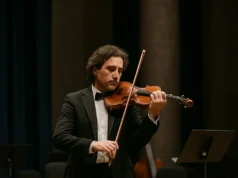



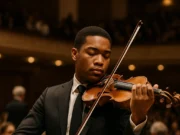
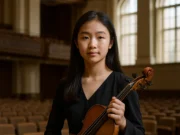
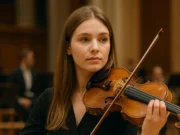
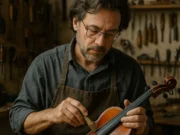


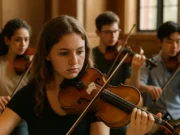
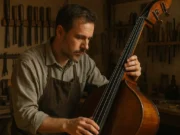





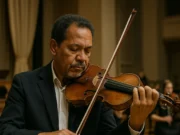


The realm of violin making and performance has witnessed a remarkable development in Nashville, where a groundbreaking collaboration has been initiated between the city’s first female luthier and an accomplished Black violinist. This partnership not only bridges artistry but also highlights a historical moment in the classical music community, which has long grappled with issues of representation and access.
Nashville’s female luthier, recognized as a pioneer in her craft, has inspired a project emblematic of broader cultural shifts within the classical music world. By teaming with a Black violinist, the collaboration brings to the fore themes of diversity and inclusion, traditionally underrepresented in both instrument making and elite performance circles.
This alliance advances the dialogue around who shapes classical music both artistically and behind the scenes. Luthiers, whose meticulous work crafts the very voices of orchestras and soloists, have rarely been spotlighted for their contributions alongside musicians themselves. Moreover, the distinct identities of both the maker and the player add layers of significance, emphasizing the role of individual stories amidst wider historical narratives.
The collaboration is poised to resonate beyond its immediate participants, signaling potential shifts in the industry’s openness to recognizing diverse talents and perspectives. It may encourage more luthiers and musicians from underrepresented backgrounds to pursue partnerships that challenge traditional boundaries. Additionally, such initiatives can enrich the cultural fabric of classical music, inviting fresh interpretations and connections.
Looking ahead, the impact of this partnership could spur increased visibility for female luthiers and Black instrumentalists, fostering a more inclusive environment across conservatories, competitions, and concert stages. As this collaboration unfolds, it may serve as a template for future endeavors that intersect craftsmanship, performance, and cultural heritage.
Why this matters
- It highlights progress toward diversity and inclusion within historically homogeneous fields of lutherie and classical performance.
- Musicians and luthiers from underrepresented groups gain a model for collaboration that elevates visibility and professional opportunity.
- The partnership underscores the integral role of instrument makers in shaping musical artistry and history.
- It may inspire educational and institutional initiatives to support diverse talents in classical music’s ecosystem.
- Observers should watch for emerging collaborations that challenge conventional narratives and expand representation in the arts.
— The Violin Post Editorial Staff