
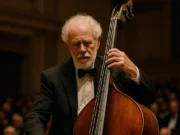
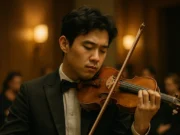
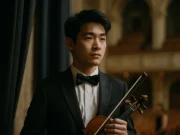
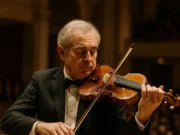
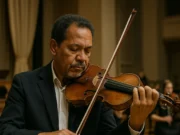
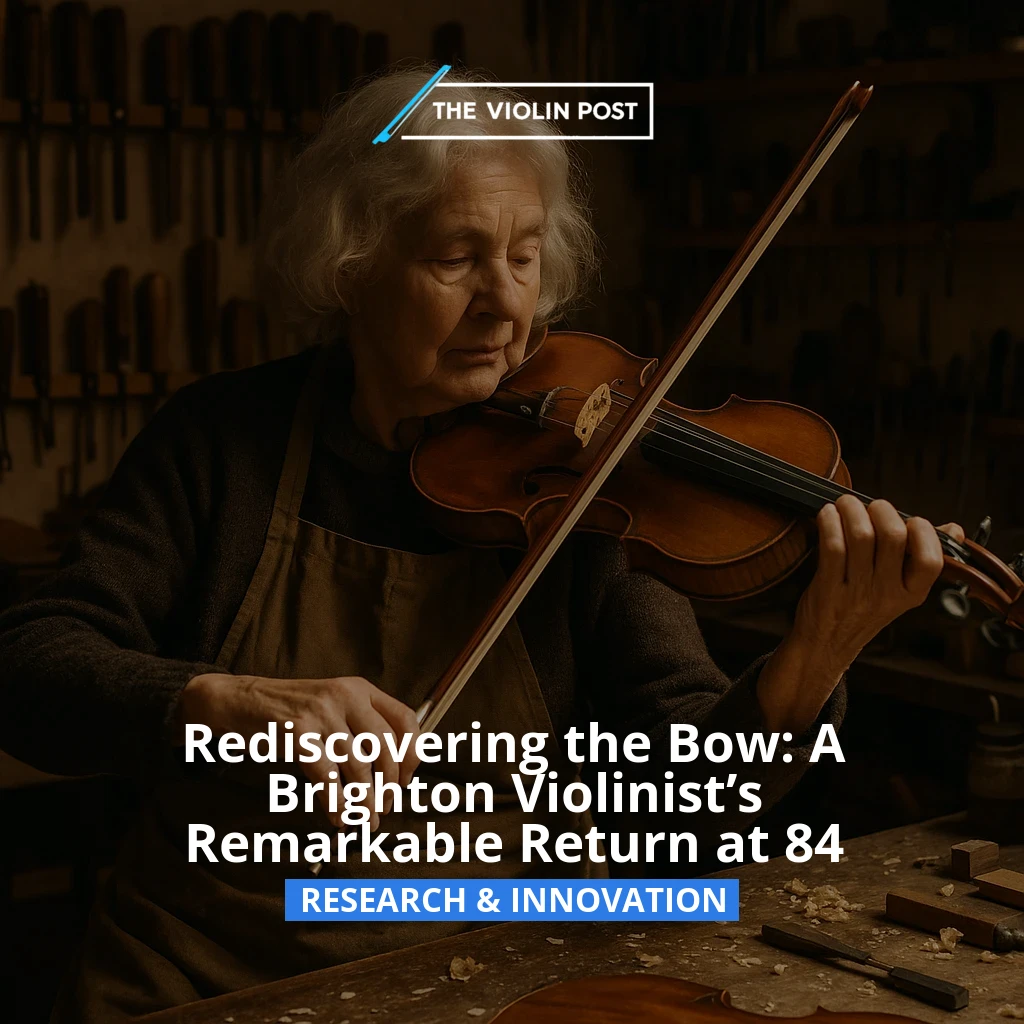
When we think of rekindling a musical vocation late in life, stories often center on youthful prodigies or mid-career returns. Yet, in Brighton, an 84-year-old woman has defied typical narratives by rediscovering her capacity to play the violin after a significant hiatus. This event is more than a personal triumph; it resonates deeply within the classical music community, highlighting themes of memory, motor skills, and the enduring bond between a musician and their instrument.
A Lifelong Connection Reawakened
The ability to summon the finesse required for violin playing depends on a complex interplay of physical dexterity, auditory acuity, and mental focus. For someone approaching their ninth decade, these faculties can diminish or become inconsistent. For the Brighton woman, however, memories embedded in muscle memory and auditory recall apparently provided a reservoir from which she could draw, enabling a return to the violin.
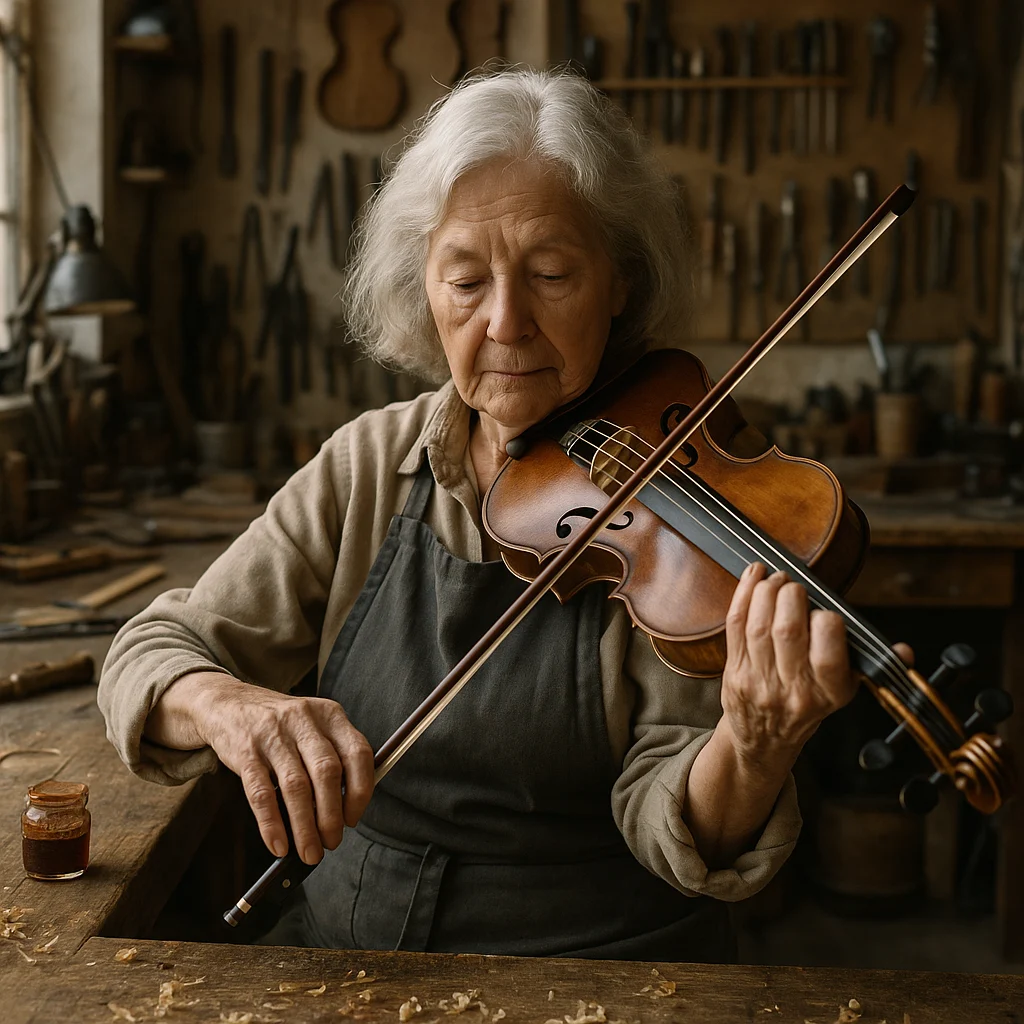
Such a comeback speaks volumes about the latent power of long-term musical training. The piece-by-piece reacquisition of technique, phrasing, and interpretation is a formidable challenge, made all the more impressive by her age. It underscores the psychological and physiological plasticity of the human brain and body, particularly as they pertain to music-making.
Implications for Musicians and the Wider Community
This case holds valuable implications for multiple stakeholders in the classical music world. For performers, it is a testament to the enduring imprint that years of musical dedication leave. It offers hope for musicians who may have abandoned their instruments due to life circumstances, illness, or other obstacles, suggesting that reengagement is possible even decades later.
Luthiers and educators might also read this as encouragement to support older or returning players in ways traditionally focused on younger students. Adaptations in teaching methods and instrument setups can ease physical challenges encountered with age.
Furthermore, this rediscovery encourages orchestras and institutions to consider programming and outreach that include older musicians or those resuming practice after long breaks. The notion that musicality has an expiration date can rightly be challenged, enriching community engagement and diversity in classical music participation.
Contextualising the Rediscovery
The story from Brighton fits within a broader cultural interest in the intersection of aging and the arts. Numerous studies emphasize how musical engagement improves cognitive function and emotional well-being among seniors. This individual’s experience serves as a tangible example of these benefits extending into active musicianship, not just passive listening or study.
Moreover, it reflects the broader humanistic value of music as a lifelong means of expression and connection—across generations and regardless of physical limitations. The violin, with its intricate demands and emotive capabilities, remains a symbol of mastery that can transcend age.
Why this matters
- It challenges assumptions about the limits of musical re-engagement later in life.
- Musicians of all ages can find inspiration and hope in the potential for renewed technique and artistry.
- Luthiers, educators, and institutions may consider more inclusive support structures for senior or returning players.
- The story contributes to ongoing conversations on aging, neuroplasticity, and the arts.
- Classical audiences may gain a deeper appreciation for the resilience and breadth of the musical community.
Related topics
- How lifelong musicianship impacts cognitive health in aging populations
- The role of community music education in supporting adult learners
- Adapting violin technique and instrument setup for older players
Editorial Commentary
Research and innovation stories matter because they reveal how the world of string instruments continues to evolve through acoustics, materials science, pedagogy, technology, and new forms of collaboration between artists and specialists.
For readers of a specialist publication, this broader perspective is useful in understanding which developments may influence the future of performance, instrument making, conservation, and audience experience.
About The Violin Post
The Violin Post is an international editorial platform dedicated to violin making, classical performance, competitions, instruments, and the wider culture of the string world.
Its coverage connects news reporting with specialist context for readers interested in performers, makers, educators, institutions, and musical heritage.
Related Articles
- Exploring the Resonant Blend of French Horn and Strings in New Mexico Tech’s Presidential Chamber Music Series III
- Virginia Tech Students Commemorate Luthier Daniel Foster with Memorial Concert
- The Nanoscopic Violin: Bridging Musical Craftsmanship and Advanced Nanotechnology
— The Violin Post Editorial Staff