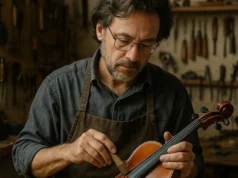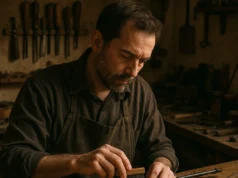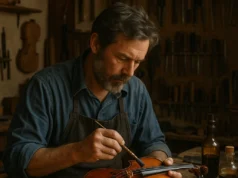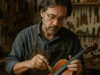

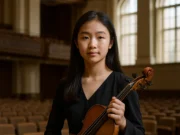
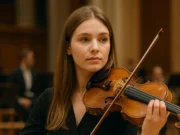
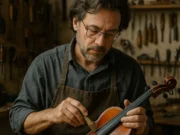
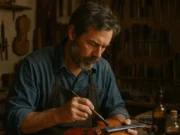
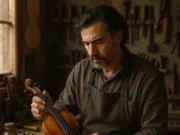
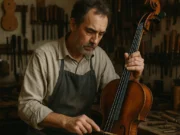
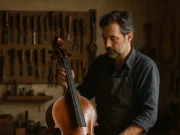
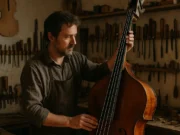
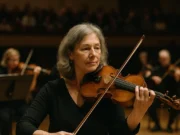
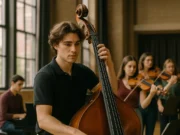
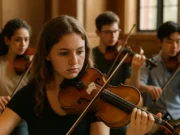
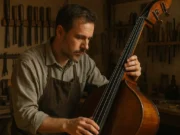
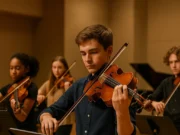
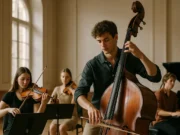
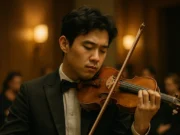
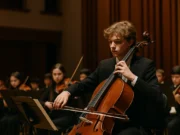
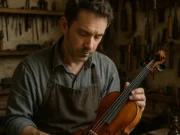
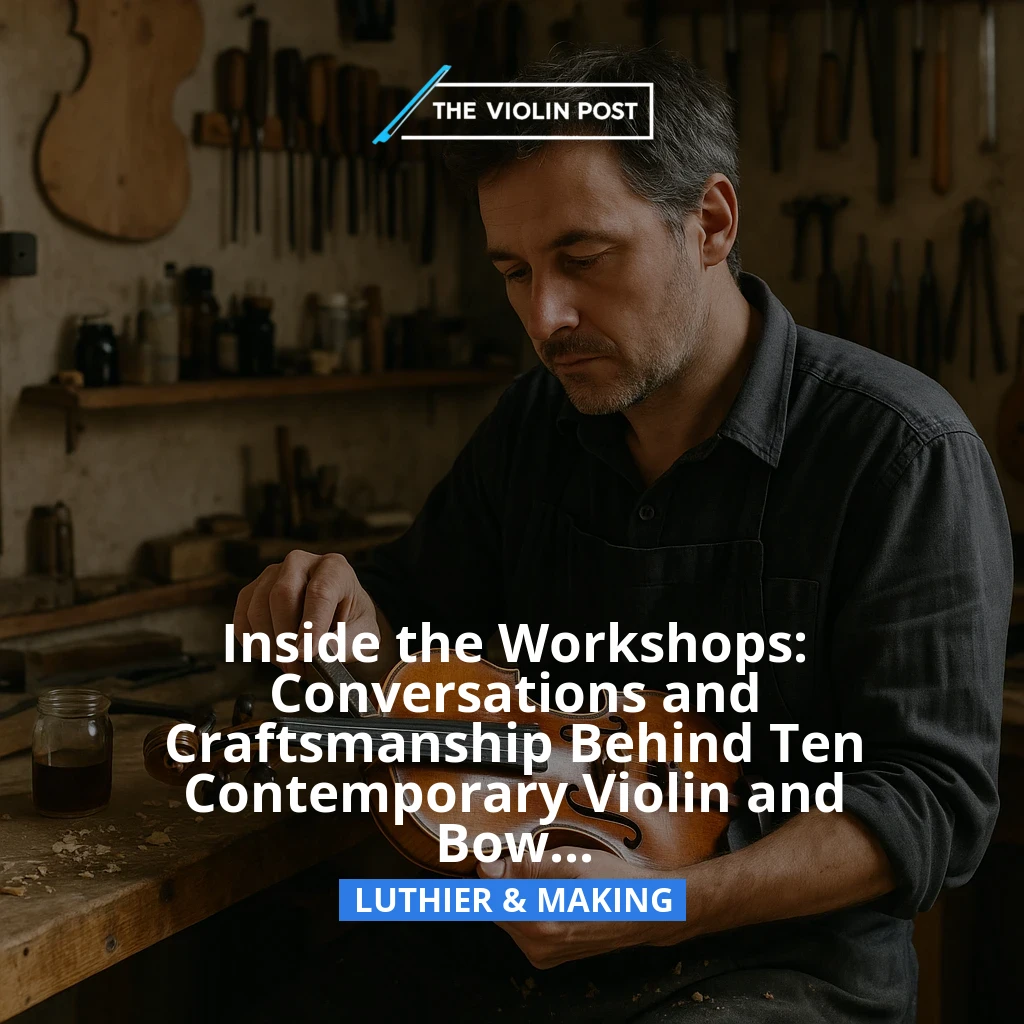
Behind every fine violin or bow lies the dedicated work of artisans who blend tradition and innovation to serve musicians’ musical and technical needs. Recently, a unique opportunity arose to engage directly with ten contemporary violin and bow makers, testing their instruments and delving into the nuanced craft that informs their work. This exchange sheds light not only on differences in sound and playability but also on the makers’ diverse philosophies and approaches, offering valuable perspectives for performers, collectors, and luthiers alike.
Profiles in Craftsmanship: Dialogue Across Workshops
The selected makers, representing a spectrum of backgrounds and influences, each brought their distinct voice to the conversation about violin and bow making. Some have roots in centuries-old European traditions, while others incorporate contemporary techniques or experimental materials. Through focused testing sessions, their instruments were evaluated for tonal quality, responsiveness, and ergonomic design, inviting candid discussion about the challenges in balancing historical legacy with modern player demands.
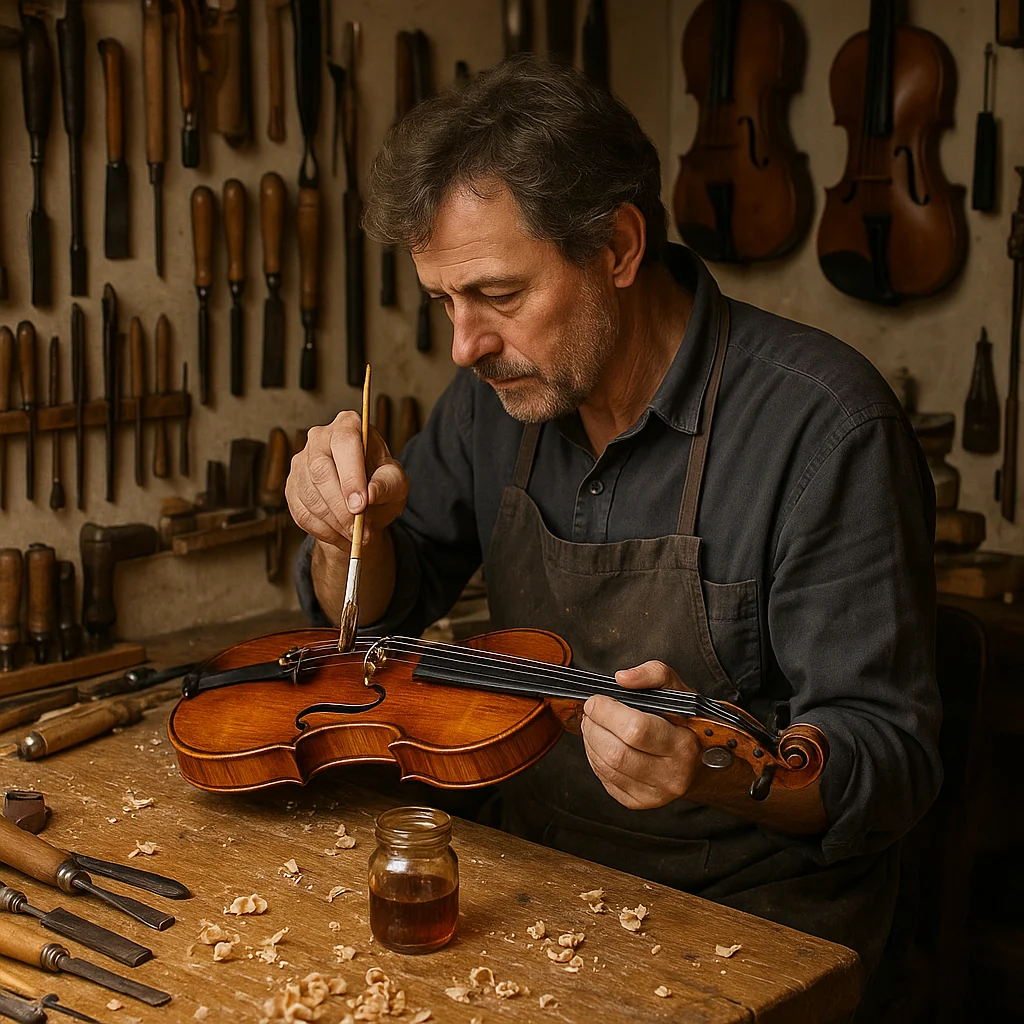
These dialogues revealed a shared commitment to sustainability of the craft amid evolving musical contexts. Makers spoke on sourcing aged tonewoods responsibly, refining varnishing processes to enhance sound without compromising instrument longevity, and responding to player feedback to optimize comfort and projection. Crucially, their reflections underscored that each violin or bow embodies a blend of measurable acoustics and intangible artistic intuition.
Impact on Performers and the Broader Classical Community
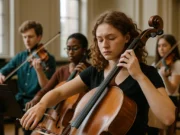
For performers, acquiring a new instrument or bow can transform not only their artistic expression but also their technical facility and stage presence. Therefore, firsthand encounters with makers and the opportunity to trial instruments in varying repertoire settings are invaluable. These sessions facilitate informed decisions grounded in tactile experience rather than solely reputation or provenance, fostering collaborations that may influence future instrument development.
Moreover, students and institutions stand to benefit from such engagements. Workshops with makers provide educational insights into materials science, acoustics, and historical design evolution. Institutions curating collections or commissioning new instruments gain enhanced understanding of present-day craftsmanship’s capabilities and limitations.
The broader classical music ecosystem benefits as well: active discourse between makers and musicians encourages innovation without severing lineage, ensuring the continuum of violin family instruments adapts thoughtfully to contemporary artistic realities.
Looking Ahead: Bridging Tradition and Modernity
As the market for handcrafted violins and bows navigates pressures from mass production and digital influences on performance, the role of makers who engage directly with players is ever more critical. The recent roundtable exemplifies a renewed commitment to transparency, collaboration, and education — ingredients essential for sustaining the craft and fostering the emergence of instruments that resonate with both the past and the present.
Such initiatives signal promising prospects for emerging makers seeking mentorship and visibility, performers seeking bespoke tools for their evolving artistry, and audiences eager to experience the authentic timbres resulting from this enduring craft.
Why this matters
- Engaging directly with makers and testing instruments deepens understanding of individual craftsmanship beyond commercial branding.
- Performers gain critical insights to select instruments that align with their artistic and ergonomic needs.
- Luthiers benefit from player feedback to innovate sensitively within tradition.
- Educational communities access valuable knowledge on instrument construction, acoustics, and preservation.
- Fostering maker-musician dialogue supports the vitality and evolution of string instrument heritage.
Related topics
- How maker-performer collaborations influence instrument design evolution
- The role of sustainable materials in contemporary violin and bow making
- Understanding tonal characteristics: science meets artistry in violin acoustics
Editorial Commentary
Coverage related to violin making is important because instruments are never separate from the musical culture around them. Craftsmanship, tonal research, restoration practice, and workshop traditions all influence how performers experience and present sound.
In this context, stories connected to makers and workshops help readers see how the legacy of the $instrument_label is preserved, interpreted, and renewed through the work of contemporary luthiers and institutions.
About The Violin Post
The Violin Post is an international editorial platform dedicated to violin making, classical performance, competitions, instruments, and the wider culture of the string world.
Its coverage connects news reporting with specialist context for readers interested in performers, makers, educators, institutions, and musical heritage.
Related Articles
- Andrew Carruthers on ‘Offbeat Violins’: Exploring Individuality in String Instruments
- Connecting with the Craft: The Significance of Meeting Your Violin Maker
- From Precision Engineering to Artisanal Craft: A South African Engineer’s Journey to Violin Making
— The Violin Post Editorial Staff