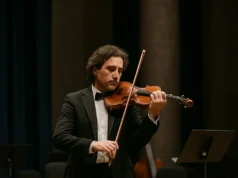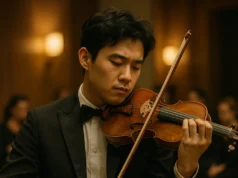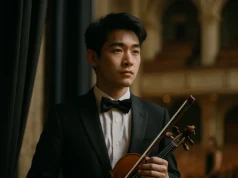

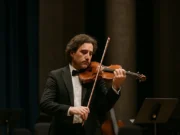
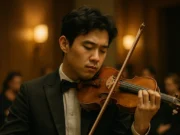
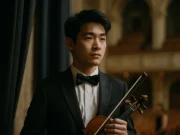
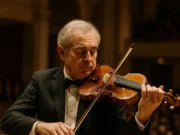
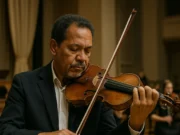
Few compositions in the violin repertoire have achieved the iconic status of Johann Sebastian Bach’s Sonatas and Partitas for Solo Violin. Composed in the early 18th century—likely around 1720—these works embody an unparalleled synthesis of technical mastery and profound musical expression. Their absence of accompaniment places the entire burden of harmony, counterpoint, and melodic storytelling squarely on the performer, making them both a challenge and a pinnacle of violin artistry.
Historical Context and Composition
During Bach’s time, the solo violin was primarily associated with dance pieces or short instrumental works. However, Bach’s Sonatas and Partitas expanded the violin’s expressive range and formal possibilities. The set comprises three sonatas, each structured in four movements adhering to the slow-fast-slow-fast sequence typical of sonata da chiesa, and three partitas modeled after Baroque dance suites, featuring movements such as allemandes, courantes, sarabandes, and gigues.
These compositions stand as a testament to Bach’s compositional genius and deep understanding of the violin’s capabilities. They demand a command over complex polyphony played on a single melodic instrument, requiring the violinist to suggest harmonies and multiple voices. The works also reflect Baroque ideals of clarity, proportion, and emotional depth.
Performance and Interpretation
For violinists, the Sonatas and Partitas are milestones in both technical development and artistic interpretation. The works test a range of skills, from intricate double stops and chords to virtuosic passagework and subtle phrasing. Each movement presents unique challenges, and their interpretation invites personal and stylistic decisions that can vary widely among performers.
Historically informed performance practices have influenced modern approaches, encouraging artists to explore Baroque techniques and ornamentation while balancing historical authenticity with individual expression. This duality has kept the Sonatas and Partitas fresh and relevant, inspiring generations of violinists to revisit and reinterpret these masterpieces.
Recordings and Legacy
The array of recordings dedicated to these works is vast, reflecting diverse artistic visions. From pioneering baroque specialists to modern virtuosi, each recording contributes to the ongoing dialogue about how these compositions might be understood and communicated today. For students and scholars, these recordings serve as important references for shaping interpretative choices.
The Sonatas and Partitas also hold a special place in recitals and competitions worldwide. They offer a vehicle for violinists to demonstrate not only technical finesse but also deep musical insight, often forming a cornerstone of advanced studies and professional development.
Why this matters
- The Sonatas and Partitas remain essential for understanding Baroque violin repertoire and performance practice.
- They provide an enduring benchmark for technical mastery and interpretative depth for violinists globally.
- Students, performers, and educators engage with these works for foundational learning and artistic growth.
- Ongoing recordings and performances contribute to the living legacy and evolving appreciation of Bach’s music.
- The works continue to influence contemporary composers and shape violin pedagogy.
Related topics
- The role of Baroque music in shaping modern violin technique
- Interpretative challenges in solo violin repertoire across historical periods
- How recording trends reflect evolving perspectives on Bach’s violin works
Editorial Commentary
Historical coverage is essential because the string world is built on continuity: repertories, techniques, schools of craftsmanship, and performance traditions all gain meaning when they are understood in relation to what came before.
Articles like this therefore do more than document the past; they help readers interpret the present through a stronger awareness of musical heritage and of the people and ideas that shaped it.
About The Violin Post
The Violin Post is an international editorial platform dedicated to violin making, classical performance, competitions, instruments, and the wider culture of the string world.
Its coverage connects news reporting with specialist context for readers interested in performers, makers, educators, institutions, and musical heritage.
Related Articles
- Resonance of History: The Violins of Hope Collection Arrives in the UK
- Flint’s Black History Month Celebrations: A Cultural Reflection Beyond Music
- Violins of Hope Bring Resonant Testimony to Sioux City
— The Violin Post Editorial Staff