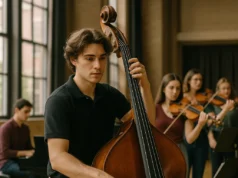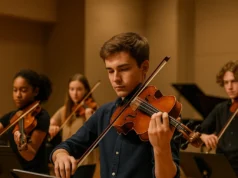

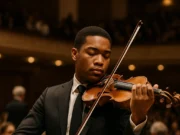
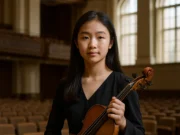
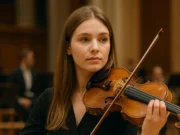
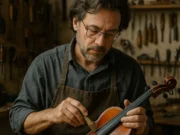
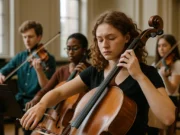
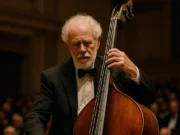
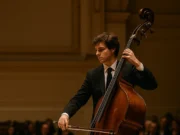
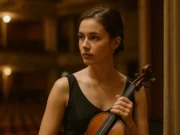
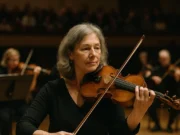
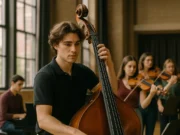
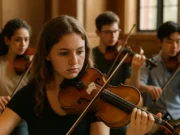
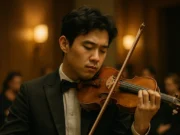
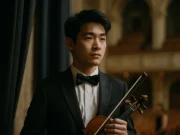
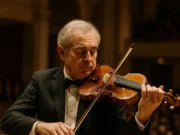
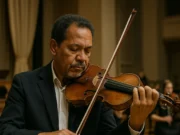
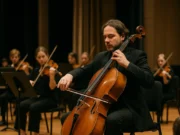
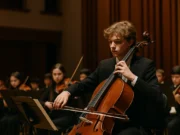
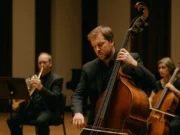
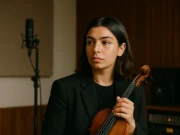
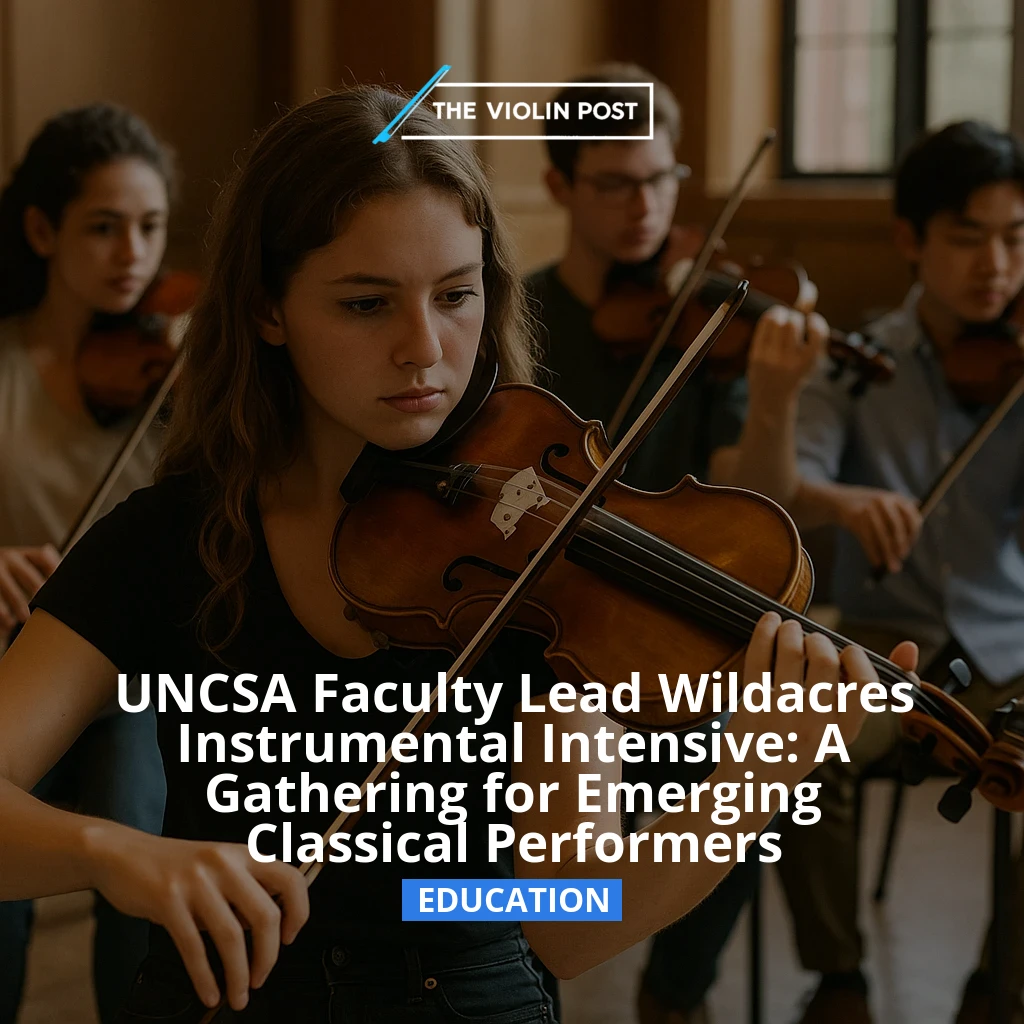
The Wildacres Instrumental Intensive recently gathered a selection of seasoned educators and performers from the University of North Carolina School of the Arts (UNCSA) for a focused workshop aimed at advancing the skills and artistry of instrumentalists in classical music. This collaboration underscores the role of specialized summer intensives in nurturing developing musicians through direct engagement with distinguished faculty and peers.
UNCSA Faculty at the Heart of Hands-On Musical Development
The University of North Carolina School of the Arts is known for its rigorous conservatory training and comprehensive arts education. Bringing their expertise to the Wildacres Intensive allows UNCSA faculty members to extend their educational influence beyond the campus walls. These sessions provide participating musicians—ranging from late high school to early career professionals—with tailored instruction that bridges technique, interpretation, and professional musicianship.
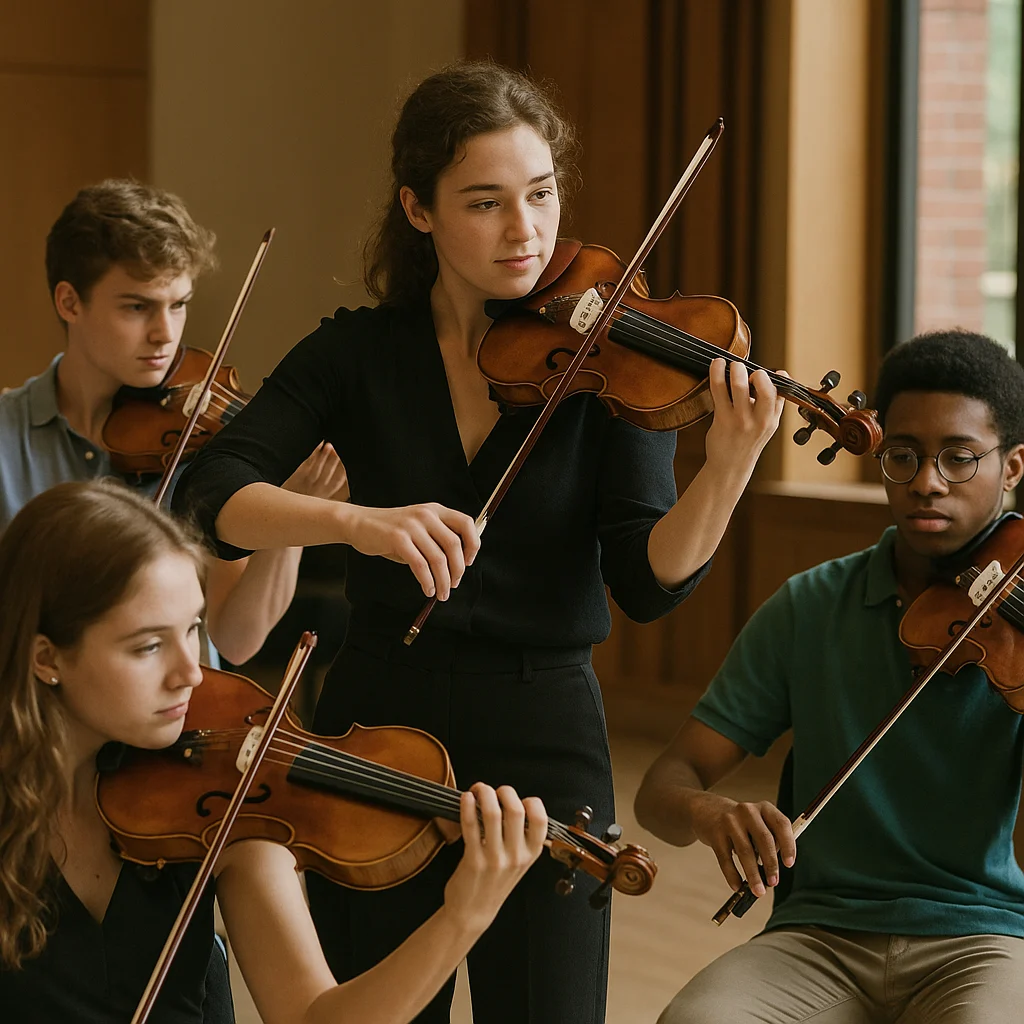
Such intensives offer an environment distinct from traditional academic semesters, often combining individualized lessons, chamber music coaching, and masterclasses in a condensed timeframe. The faculty’s diverse professional backgrounds—as performers, educators, and recording artists—enrich the dialogue and mentorship afforded to each participant, leading to measurable artistic growth.
Impact on the Classical Music Ecosystem
Instrumental intensives like Wildacres play a strategic role in the broader classical music landscape. For young performers, these programs function as an arena to refine their craft under the guidance of top-tier mentors, often leading directly to performance opportunities and professional connections. For educators and institutions like UNCSA, they provide insight into emerging talent and evolving pedagogical approaches.
Moreover, such gatherings nurture a sense of community among participants who are navigating similar career paths within the demanding world of classical performance. The knowledge exchange and network building established here can have lasting effects on regional orchestras, chamber ensembles, and solo careers, feeding into a healthier and more vibrant classical music culture.
Forward Looking: Sustaining Artistic Excellence Through Education
The collaboration between UNCSA faculty and the Wildacres Intensive exemplifies ongoing commitments within the classical music education ecosystem to curate intensive, high-impact learning experiences. As emerging artists face an increasingly complex professional environment, initiatives like this provide crucial pedagogical innovation and support.
Building on this foundation, such intensives could evolve to incorporate new technologies, interdisciplinary collaborations, and expanded outreach to underrepresented communities, thereby broadening their reach and impact within the classical world.
Why this matters
- This initiative highlights the importance of concentrated mentoring opportunities in the development of classical musicians.
- It directly benefits emerging performers seeking advanced training and professional guidance outside traditional academic settings.
- Faculty involvement from a prominent institution like UNCSA bridges conservatory-level education with intensive hands-on workshops.
- The program fosters networking and community-building that can influence regional and national classical music scenes.
- It signals potential future trends in how classical music education adapts to contemporary challenges and opportunities.
Related topics
- The role of summer intensives in shaping early career musicians
- How faculty-led workshops complement conservatory training
- Strategies for sustaining classical music communities through education and collaboration
Editorial Commentary
Educational developments deserve attention because training environments often determine the future health of the classical music sector. The opportunities available to students today shape the artistic standards, professional habits, and creative ambitions of tomorrow.
For teachers, families, institutions, and emerging performers, stories in this area provide context on how learning, mentorship, and access continue to influence the evolution of the string community.
About The Violin Post
The Violin Post is an international editorial platform dedicated to violin making, classical performance, competitions, instruments, and the wider culture of the string world.
Its coverage connects news reporting with specialist context for readers interested in performers, makers, educators, institutions, and musical heritage.
Related Articles
- Exploring the Landscape of Canadian Summer Music Camps
- Little Rock Music Academy’s Enduring Appeal Through Expert Instruction and Performance Platforms
- Festival Academy Budapest Marks a Decade of Nurturing Classical Music Talent
— The Violin Post Editorial Staff