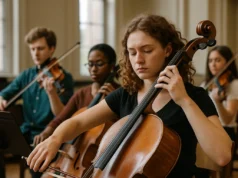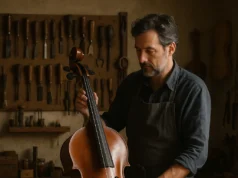


























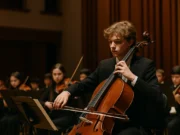

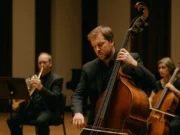


Georgia Tech has announced the finalists in its latest musical instrument competition, an event that fundamentally bridges the worlds of musical performance and technological innovation. This competition is distinctive in its emphasis on encouraging inventors, designers, and performers to rethink traditional instrument construction, embracing new materials, mechanics, and electronic integration.
Innovation at the Crossroads of Music and Technology
The competition highlights how engineering expertise can inspire the creation of novel musical instruments or the reinterpretation of classical ones. Finalists’ designs often demonstrate a mixture of acoustic craftsmanship and digital augmentation, reflecting a growing trend in the classical music ecosystem toward expanding sound palettes and expressive capacities.

Competing instruments typically showcase advances such as alternative methods of sound generation, ergonomic improvements for performers, or hybrid systems that blend acoustic and electronic elements. This approach challenges conventional assumptions about instrument making and opens possibilities for new repertoire, performance techniques, and audience engagement.
Implications for Performers, Makers, and Educators
The finalists’ work is of particular interest to performers seeking fresh sounds and to luthiers exploring next-generation instrument design. Students and educators benefit as well, since the competition serves as a catalyst for interdisciplinary learning, combining acoustics, mechanics, materials science, and musicianship.
For orchestras and ensembles, these developments hint at future collaborations where traditional instruments coexist with innovative counterparts, fostering versatile programming and expanding expressive scope. Instrument collectors and museums might also take note, as competitions like this influence the trajectory of instrument evolution and preservation.
Context within the Broader Classical Music Landscape
Musical instrument competitions have long played a vital role in nurturing talent and craftsmanship. By integrating technology-focused categories, Georgia Tech’s competition reflects broader shifts in the classical music world, which increasingly embraces innovation alongside heritage. Such initiatives help prepare the next generation of musicians and makers to thrive in a landscape that values both tradition and transformation.
The convergence of technology and musical instrument design at academic institutions like Georgia Tech represents a burgeoning field where experimental prototypes could one day enter mainstream use. As classical music adapts to contemporary cultural and technological dynamics, competitions spotlighting instrument innovation become crucial forums for dialogue and discovery.
Why this matters
- The announcement underscores a growing intersection between engineering and musical artistry, signaling new directions for instrument design.
- Performers, makers, educators, and students worldwide have an incentive to follow advancements highlighted by these finalists.
- This competition influences how classical music institutions might incorporate novel instruments or technology-driven performance practices.
- It offers insight into the evolving role of technology within the heritage-rich classical music and lutherie ecosystem.
- Readers should watch for the outcomes of the competition and subsequent adoption or influence of these designs in professional contexts.
Related topics
- The role of interdisciplinary competitions in shaping musical innovation
- Emerging trends in electronic and hybrid classical instruments
- How academic institutions contribute to the future of lutherie and performance practice
Editorial Commentary
Instrument-centered articles are valuable because they connect sound, materials, construction, and performance practice. For specialists and enthusiasts alike, they provide insight into the physical objects that stand at the heart of musical interpretation.
Read in a broader way, this type of story helps explain why the history and evolution of the $instrument_label still matter today to makers, performers, collectors, educators, and serious listeners.
About The Violin Post
The Violin Post is an international editorial platform dedicated to violin making, classical performance, competitions, instruments, and the wider culture of the string world.
Its coverage connects news reporting with specialist context for readers interested in performers, makers, educators, institutions, and musical heritage.
Related Articles
- Mirecourt’s 2023 Violin and Bow Making Competition Highlights New Generations of Artisans
- Integrating Instruments into Contemporary Classical Composition
- Joseph Conyers Returns to Savannah, Championing Double Bass Performance and Music Education
— The Violin Post Editorial Staff