
















MIT engineers have unveiled a novel virtual violin designed to emulate the intricate sound qualities of a traditional acoustic violin. This development is significant as it bridges the gap between physical instrument characteristics and their digital representations, potentially transforming both performance and education in classical string music.
Bringing Acoustic Nuance into the Digital Realm
The virtual violin crafted by the MIT team goes beyond simple sound synthesis; it incorporates sophisticated modelling of the violin’s unique resonances and bow-string interactions. Typically, capturing the expressive tonal nuances of a violin—such as subtle variations in bow pressure, speed, and position—has posed a formidable challenge in digital instrument design. The engineers approached this by creating algorithms that simulate the dynamic physical behaviors of both the instrument and the bow in real time.
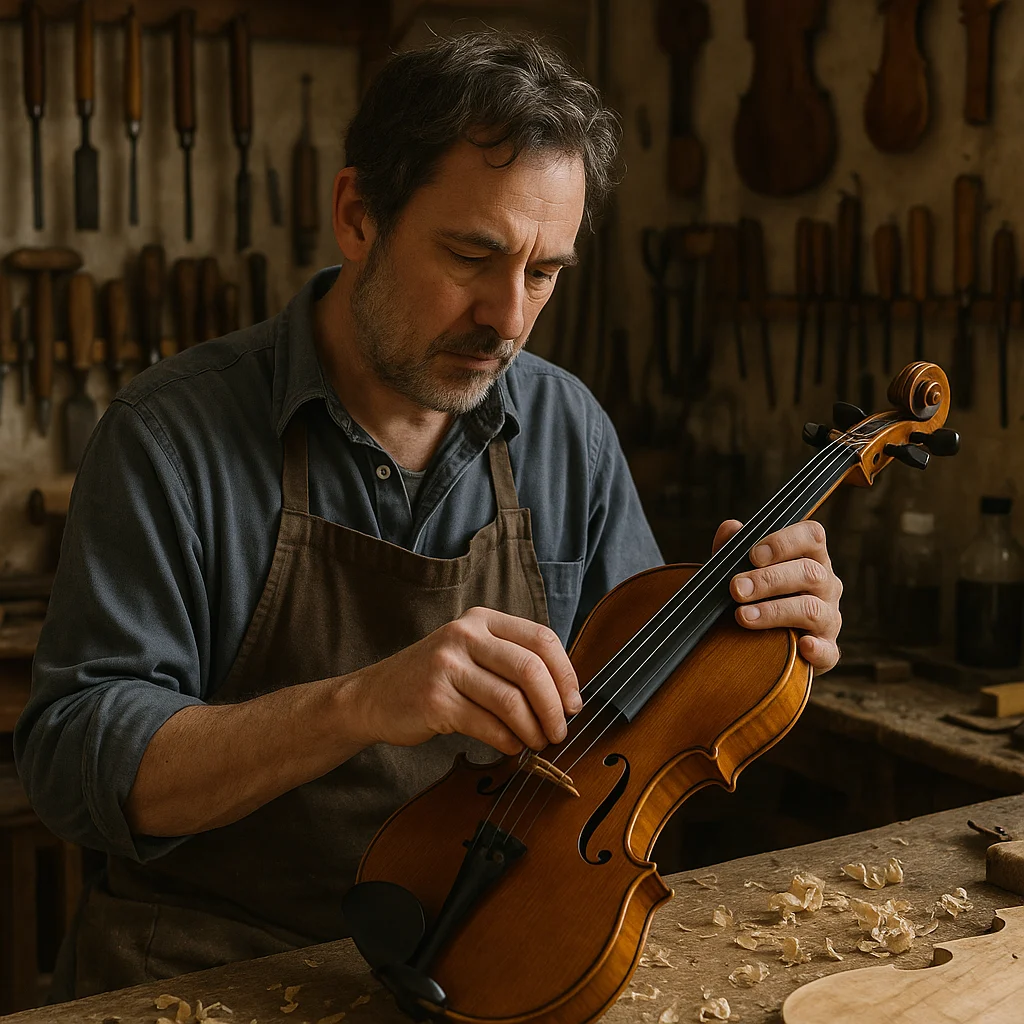
Such realism is crucial. A violin’s voice arises from complex, nonlinear vibrations of the strings coupled with the resonant body, factors which have traditionally resisted accurate digital reproduction. MIT’s virtual violin demonstrates a higher fidelity in rendering these interactions, allowing for sounds that are not only realistic but responsive to nuanced gestures from the player.
Implications for Performers, Educators, and Lutherie Researchers
This advancement is poised to impact several sectors within the classical music ecosystem. For performers, the virtual violin offers opportunities to experiment with repertoire and technique in environments where a physical violin is impractical or unavailable. It might also enable detailed analysis of bowing techniques, facilitating precision practice and pedagogy.
Music educators can leverage this technology to demonstrate acoustic principles and violin mechanics in classrooms, providing an interactive experience for students without the constraints of physical instruments. Meanwhile, luthiers and acousticians may find in such digital models a valuable tool for examining how subtle changes in construction affect sound production, accelerating research without necessitating continuous physical prototyping.
Moreover, orchestras and institutions interested in expanding accessibility could integrate such virtual instruments into digital concerts or hybrid performances, maintaining artistic integrity while embracing technological innovation.
Positioning Within the Broader Landscape of Digital Music Innovation
While electronic violins and digital string instruments have existed for some time, they often lack the nuanced expressivity that distinguishes acoustic violins. The MIT virtual violin, grounded in physical modelling rather than sampled sounds alone, reflects a growing trend toward hybrid approaches that combine computational physics with musical artistry.
This innovation arrives as classical music increasingly dialogues with digital tools, from virtual masterclasses to AI composition. It represents a meaningful step in reimagining how traditional instruments might evolve in tandem with technology while respecting their cultural and sonic heritage.
As digital interfaces become ever more integrated into musicians’ workflows, developments like this can help reassure both players and audiences that authenticity in sound and expression remains at the heart of classical music’s future.
Why this matters
- It marks a leap forward in the digital replication of complex acoustic phenomena specific to the violin.
- Performers, educators, and instrument makers gain a versatile tool for practice, teaching, and research.
- The virtual violin expands possibilities for classical music performance and accessibility amid evolving technological landscapes.
- It provides a testbed for exploring physical sound production without the limitations of physical instruments.
- The project underscores the importance of interdisciplinary collaboration between engineering and musical art.
Related topics
- The role of physical modelling in advancing digital string instrument realism
- Impact of virtual instruments on classical music pedagogy and practice
- Emerging intersections between lutherie and computational acoustics
Editorial Commentary
Research and innovation stories matter because they reveal how the world of string instruments continues to evolve through acoustics, materials science, pedagogy, technology, and new forms of collaboration between artists and specialists.
For readers of a specialist publication, this broader perspective is useful in understanding which developments may influence the future of performance, instrument making, conservation, and audience experience.
About The Violin Post
The Violin Post is an international editorial platform dedicated to violin making, classical performance, competitions, instruments, and the wider culture of the string world.
Its coverage connects news reporting with specialist context for readers interested in performers, makers, educators, institutions, and musical heritage.
Related Articles
- Exploring the Resonant Blend of French Horn and Strings in New Mexico Tech’s Presidential Chamber Music Series
- When DIY Meets Soundtrack: Charli XCX and Finn Keane Reflect on the String Sounds Behind “Wuthering Heights”
- Electric Violin Labs: A New Nexus for Innovation in Music and Education
— The Violin Post Editorial Staff