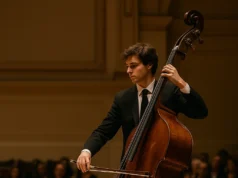



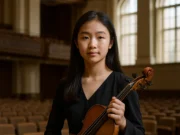













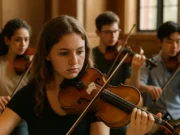

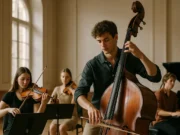

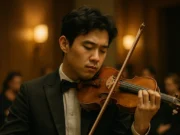


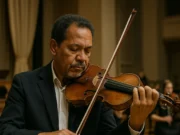


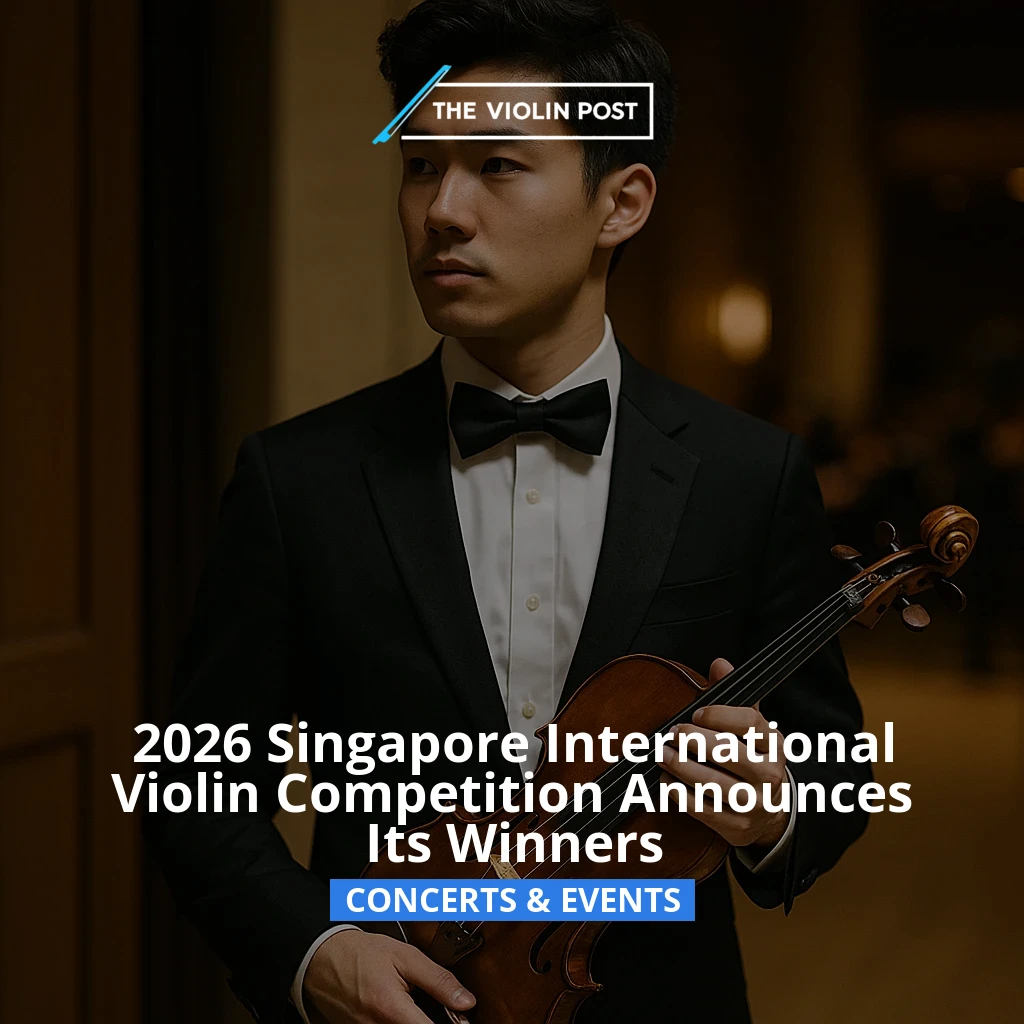
The 2026 Singapore International Violin Competition has concluded, unveiling its latest cohort of winners who represent the vibrant next generation of violinists poised to impact the classical music landscape. This event, held biennially, continues to establish itself as a vital arena for emerging talents, fostering artistry that resonates beyond the concert stage.
A Stage for Emerging Talent
International violin competitions serve as crucial platforms where gifted musicians engage in rigorous artistic exchange. The Singapore International Violin Competition, now firmly embedded in the global circuit, draws participants from diverse cultural and educational backgrounds. Competitors are evaluated not only on technical proficiency but also on interpretative depth and stylistic sensitivity, qualities essential to a meaningful musical career.
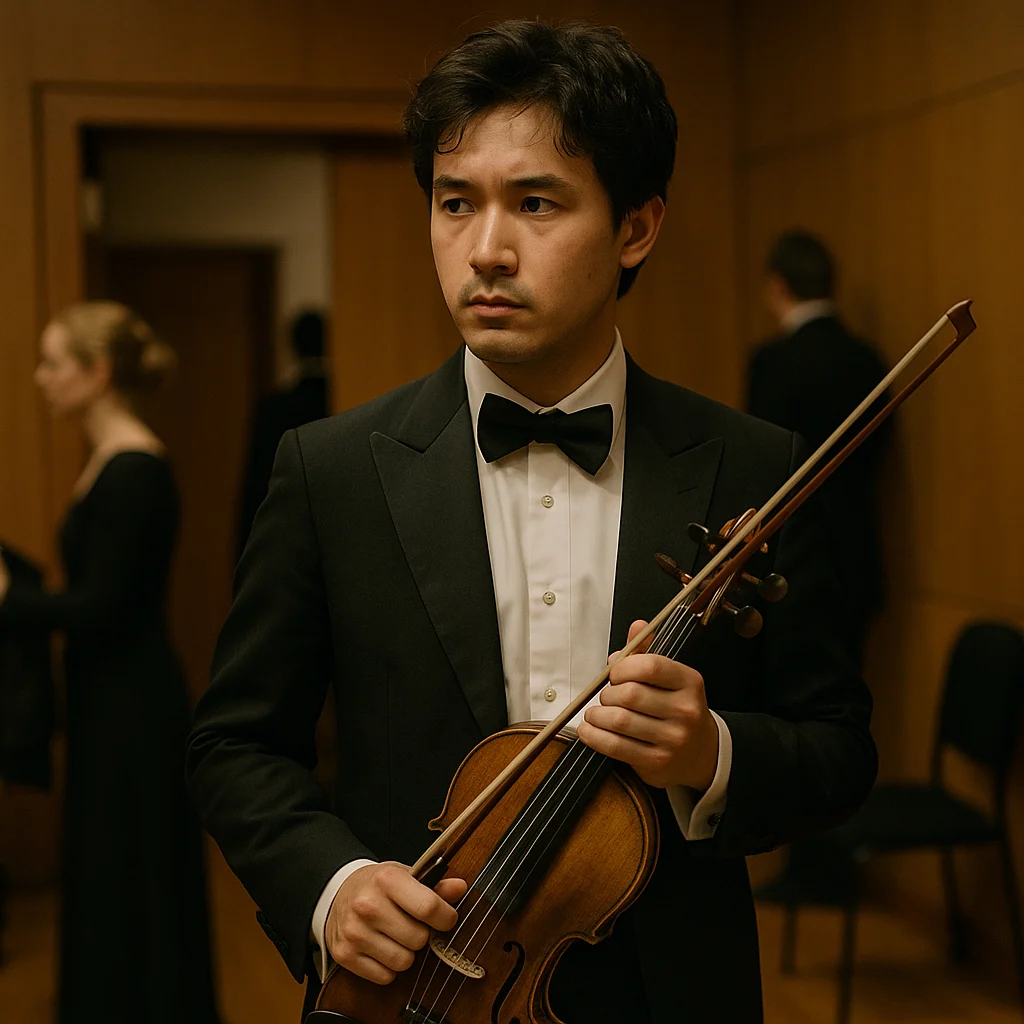
By spotlighting promising violinists early in their professional journeys, the competition offers substantial exposure and validation. Winners often experience enhanced opportunities, such as concert engagements, recording projects, and collaboration with established orchestras and conductors worldwide. For artists navigating an increasingly competitive field, such recognition is invaluable.
Contextual Significance in the Asian Classical Music Scene
The competition’s prominence also reflects the accelerating growth of classical music institutions across Asia. Singapore, strategically positioned as a cultural hub, continues to attract artists and audiences alike, contributing to a dynamic environment where classical music thrives. This event exemplifies the region’s commitment to nurturing homegrown talent while engaging with the international music community.
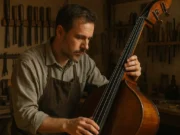
For students, pedagogues, and orchestras, the results of this competition provide insight into emerging interpretive trends and technical innovations. Luthiers and instrument makers likewise observe such forums closely, as the demands of virtuoso players often inspire developments in instrument craftsmanship.
Why this matters
- It highlights new violinists who will shape the future of classical performance.
- The results influence career trajectories, affecting artists, managers, and programming decisions globally.
- Reflects and supports the growing classical music ecosystem in Asia and beyond.
- Offers a snapshot of evolving artistic styles and technical approaches relevant to educators and performers.
- Signals ongoing vitality and international exchange within violin performance competitions.
Related topics
- The role of international competitions in launching professional violin careers.
- How Asian cultural centers are redefining classical music landscapes.
- Connections between competitive performance and innovation in violin craftsmanship.
Editorial Commentary
Concert reporting matters because live performance remains the place where interpretation, repertoire, audience response, and artistic identity meet most visibly. For the string community, events like this also reveal how institutions and local scenes help sustain musical culture.
Beyond the single occasion, this kind of article helps readers understand programming choices, community engagement, and the evolving role of concerts in keeping the repertoire of the violin family present and relevant.
About The Violin Post
The Violin Post is an international editorial platform dedicated to violin making, classical performance, competitions, instruments, and the wider culture of the string world.
Its coverage connects news reporting with specialist context for readers interested in performers, makers, educators, institutions, and musical heritage.
Related Articles
- Lucas Chiche to Feature at North Shore Chamber Music Festival
- Dover Quartet Brings Energized Closure to Winter Chamber Fest
- Ortús Chamber Music Festival Enlivens Cork with a Multi-Venue Celebration of Chamber Music
— The Violin Post Editorial Staff