









Pernambuco wood, renowned for its unique qualities and indispensable role in violin bow making, faces an escalating threat from illegal logging. Recognizing this challenge, researchers including a fellow of the Institute of Materials, Minerals and Mining (IOM3) are advancing artificial intelligence (AI) solutions aimed to curb illegal harvesting by the year 2026.
The Significance of Pernambuco for Violin Culture
The Pernambuco tree (Caesalpinia echinata), native exclusively to a fragile region of Brazil, provides the quintessential material for high-quality violin bows. Its density and elasticity allow for the nuanced control and expressive potential vital to performers. However, the species has suffered dramatic population declines due to habitat loss and unregulated extraction.
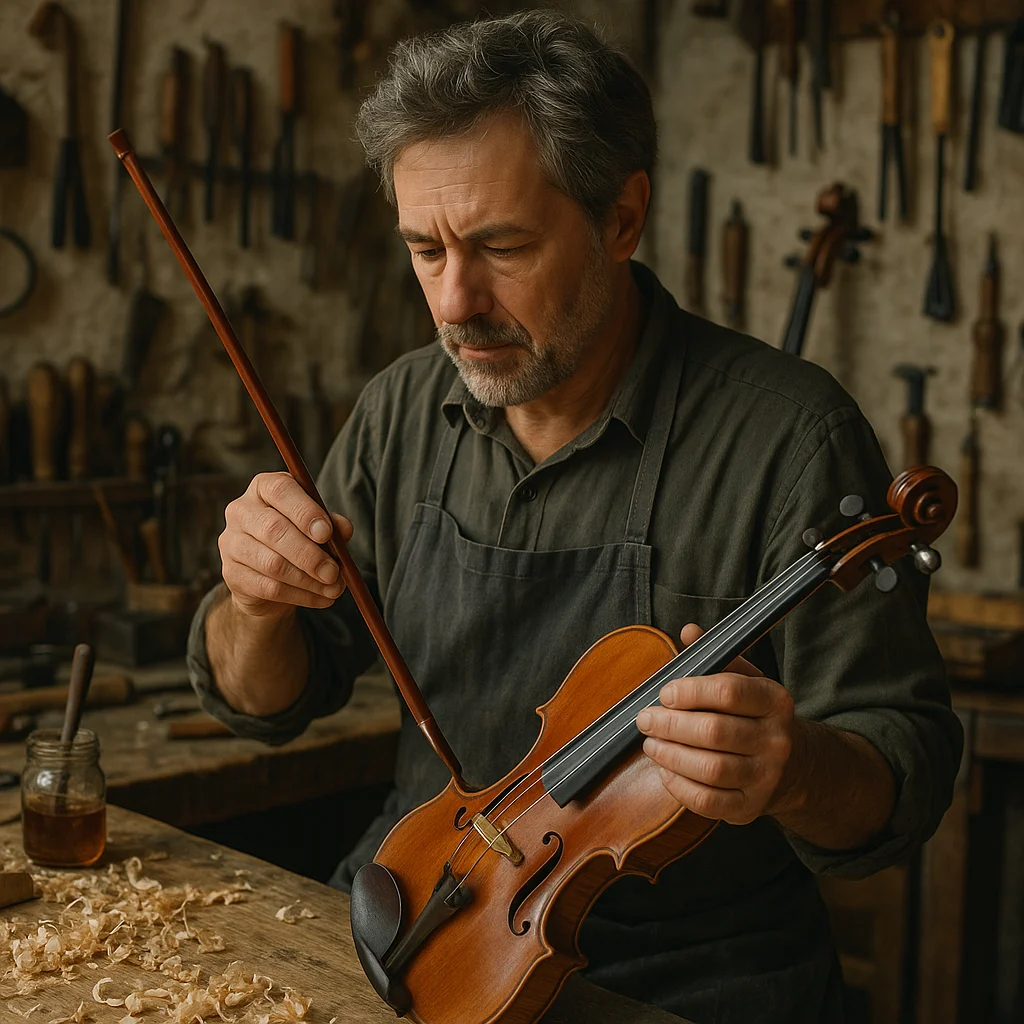
For centuries, luthiers have sought Pernambuco wood for its exceptional acoustical properties and durability. The scarcity of legal sources pushes some manufacturers toward illegally sourced timber, threatening not only biodiversity but also the integrity of the violin-making tradition. This context underscores why innovations addressing illegal logging are not just environmental concerns but intertwined with the preservation of classical music heritage.
Harnessing AI to Protect a Musical Heritage
The integration of AI technologies to monitor and prevent illegal logging marks a promising development in this field. By employing satellite imagery, machine learning algorithms, and data analytics, detectors can identify suspicious logging activities in Pernambuco habitats in near real-time. Such systems, led in part by experts affiliated with IOM3, are slated to be operational and effective by 2026.
These advancements hold implications beyond conservationists; they affect violin makers, performers, collectors, and institutions reliant on ethical sourcing. Maintaining sustainable supplies ensures the continuation of manufacturing the bows that shape sound and technique worldwide. Moreover, safeguarding Pernambuco forests contributes to global biodiversity and climate goals, aligning with broader cultural and ecological responsibilities.
Future Outlook: Collaboration and Sustainable Craftsmanship
The success of AI-driven monitoring depends on collaboration among governments, environmental organizations, luthiers, and local communities in Brazil. Equally essential is raising awareness among musicians and consumers about the origins of their instruments and bows, fostering demand for sustainably sourced materials.
While alternative materials for bows are explored, the unique qualities of Pernambuco remain unmatched, making the protection of its habitat critical. The emerging role of technology offers hope that tradition and innovation can coexist, securing the legacy of violin craftsmanship for future generations without sacrificing environmental stewardship.
Why this matters
- The illegal logging of Pernambuco threatens both biodiversity and the classical music instrument heritage dependent on this wood.
- AI solutions represent a timely, technologically advanced approach to monitoring and curbing illegal harvesting by 2026.
- Violin makers, performers, collectors, and cultural institutions have a stake in ensuring sustainable material sources.
- This initiative exemplifies the intersection between environmental conservation and preservation of artistic craft traditions.
- Success hinges on multi-sector cooperation and raising awareness within the classical music community about ethical sourcing.
Related topics
- The role of raw material sourcing in lutherie and instrument quality
- Technological innovations assisting environmental conservation in classical music supply chains
- Impacts of material scarcity on the evolving craft of violin and bow making
Editorial Commentary
Coverage related to violin making is important because instruments are never separate from the musical culture around them. Craftsmanship, tonal research, restoration practice, and workshop traditions all influence how performers experience and present sound.
In this context, stories connected to makers and workshops help readers see how the legacy of the $instrument_label is preserved, interpreted, and renewed through the work of contemporary luthiers and institutions.
About The Violin Post
The Violin Post is an international editorial platform dedicated to violin making, classical performance, competitions, instruments, and the wider culture of the string world.
Its coverage connects news reporting with specialist context for readers interested in performers, makers, educators, institutions, and musical heritage.
Related Articles
- Exploring Sustainable Alternatives to Pernambuco Wood in Violin Bow Making
- Inside the Workshops: Conversations and Craftsmanship Behind Ten Contemporary Violin and Bow Makers
- Andrew Carruthers on ‘Offbeat Violins’: Exploring Individuality in String Instruments
— The Violin Post Editorial Staff