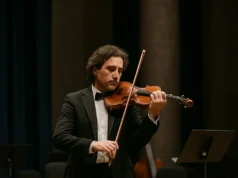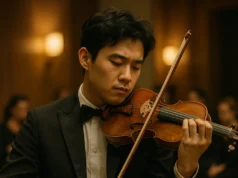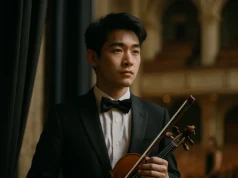

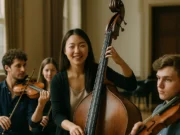
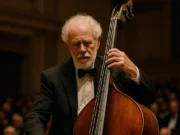
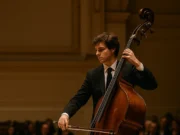
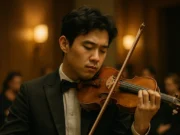
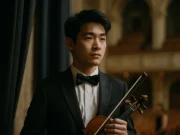
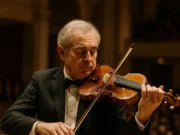
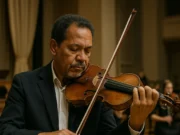
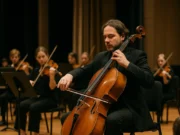
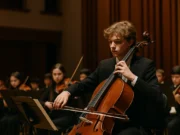
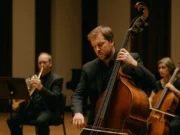
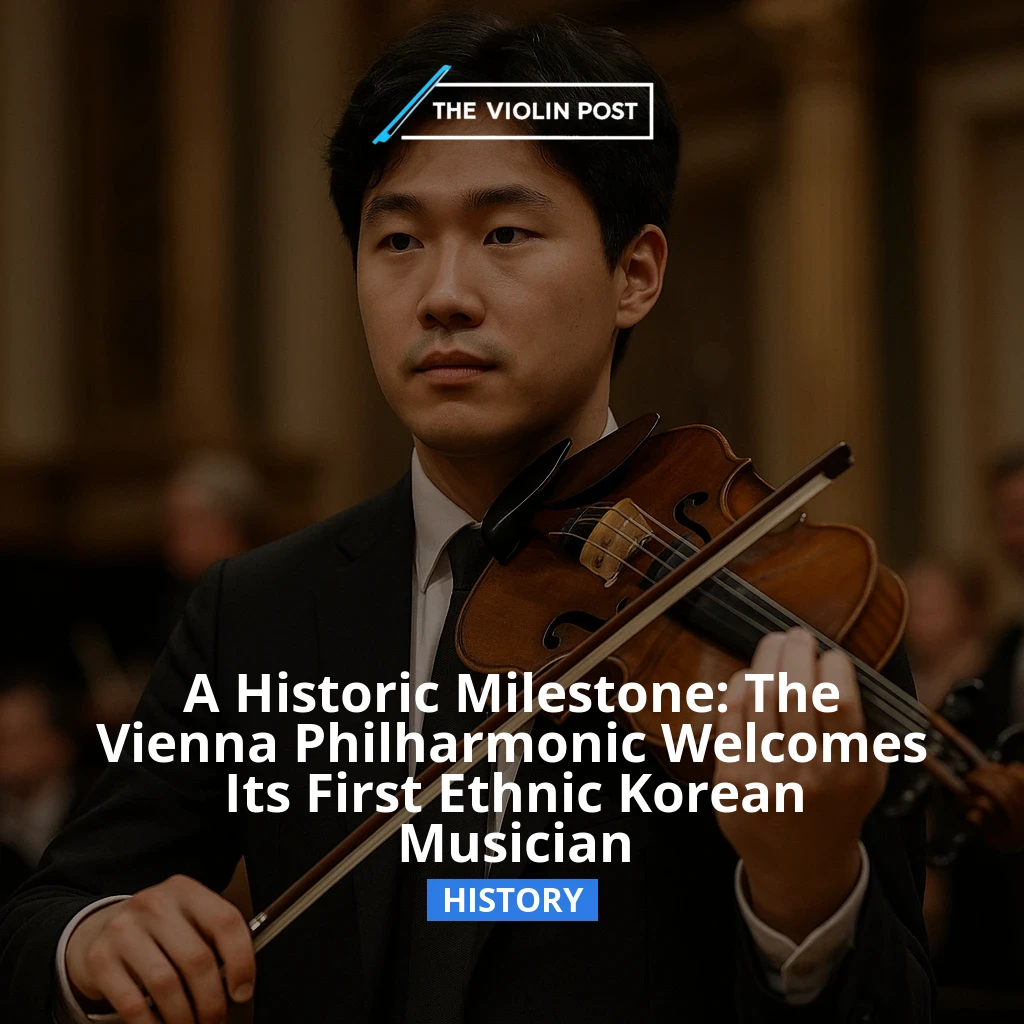
The Vienna Philharmonic, an institution synonymous with classical music tradition and Viennese cultural heritage, has reached a significant milestone in its 183-year history by appointing its first ethnically Korean musician. This event marks a notable moment for the orchestra, often seen as a bastion of European musical heritage, reflecting subtle shifts in diversity and inclusion within its ranks.
Background and significance of the Vienna Philharmonic’s appointment
Founded in 1842, the Vienna Philharmonic is celebrated worldwide for its distinctive sound, rigorous artistic standards, and deep-rooted traditions. Its membership is unusually exclusive, tightly linked to the Vienna State Opera and often characterized by long-term tenure and a cohesive cultural identity grounded in Viennese music-making traditions. Historically, the orchestra’s composition has mirrored the homogeneity of its geographic and cultural origins, with a preponderance of Austrian and European musicians.
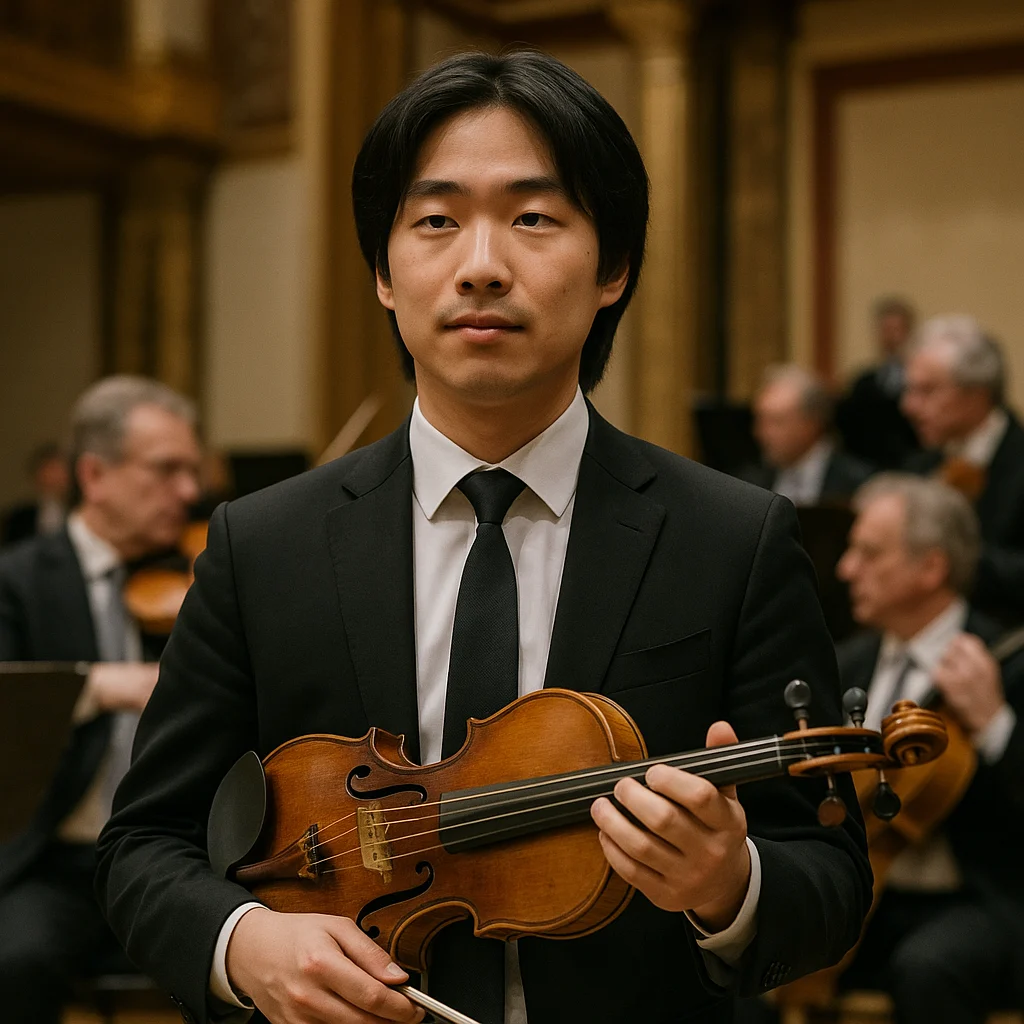
Over the decades, the orchestra’s standing has inspired generations of performers and shaped symphonic expectations globally. Yet, despite internationalization trends in classical music, appointments from non-European backgrounds have been rare, making this recent inclusion particularly notable. The addition of an ethnically Korean musician is both a reflection of the increasing globalization of classical music talent and a meaningful step toward broader representation in elite orchestras.
Implications for performers, institutions, and audiences
For performers, particularly those of Asian descent pursuing careers in Western classical institutions, this appointment may serve as both inspiration and a subtle signal that traditional barriers are evolving, albeit gradually. It highlights how orchestras renowned for their long-standing customs can adapt to a changing musical landscape, one in which excellence transcends national and cultural boundaries.
Institutionally, this development could influence recruitment practices and the cultural dynamics within the orchestra, fostering a more inclusive environment. Orchestras worldwide are increasingly challenged to balance heritage with diversity, a complex negotiation affecting audience engagement and artistic vitality.
Audiences, too, benefit from such evolution. Diversity within an orchestra can enrich interpretative approaches and broaden the cultural perspectives conveyed through performance. It is a reminder that classical music, while deeply rooted in European traditions, is a universal language that embraces musicians from around the world.
Looking ahead: What this means for the classical music ecosystem
This appointment resonates beyond the Vienna Philharmonic itself. It exemplifies the gradual globalization of classical music institutions and the increasing permeability of cultural boundaries. For students and young musicians worldwide, it underscores the potential for international careers in even the most prestigious ensembles once perceived as culturally exclusive.
The Vienna Philharmonic’s choice encourages other orchestras to reflect on inclusion and representation, potentially accelerating shifts toward more diversified bodies. In a broader context, it contributes to the ongoing dialogue about tradition, identity, and change within classical music communities globally.
Why this matters
- This milestone is a rare example of long-established Western orchestras broadening their cultural demographics.
- It particularly affects aspiring musicians from Asia and other underrepresented regions aiming for top-tier ensemble careers.
- Audiences may witness subtle shifts in orchestral interpretation arising from increased cultural diversity within such historic bodies.
- It signals to classical music institutions the possibilities and importance of inclusivity alongside tradition.
- Readers should observe future appointments and policies within elite orchestras concerning diversity and globalization.
Related topics
- The impact of internationalization on symphony orchestras’ membership and repertoire choices
- Challenges and opportunities for Asian musicians in Western classical music institutions
- The evolving role of tradition in maintaining cultural heritage while embracing diversity in classical music ensembles
Editorial Commentary
Historical coverage is essential because the string world is built on continuity: repertories, techniques, schools of craftsmanship, and performance traditions all gain meaning when they are understood in relation to what came before.
Articles like this therefore do more than document the past; they help readers interpret the present through a stronger awareness of musical heritage and of the people and ideas that shaped it.
About The Violin Post
The Violin Post is an international editorial platform dedicated to violin making, classical performance, competitions, instruments, and the wider culture of the string world.
Its coverage connects news reporting with specialist context for readers interested in performers, makers, educators, institutions, and musical heritage.
Related Articles
- Tracing the Origins: The Legacy of the World’s Oldest Piano
- National Violin Day: Celebrating a Cornerstone of Classical Music
- Bach’s Sonatas and Partitas for Solo Violin: A Timeless Cornerstone of the Violin Repertoire
— The Violin Post Editorial Staff