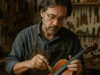


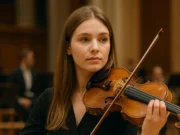
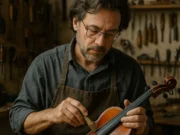
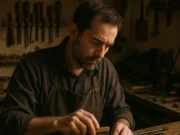

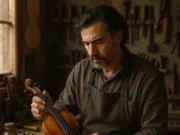
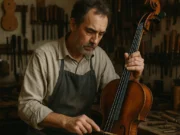
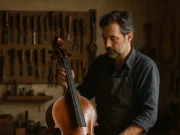
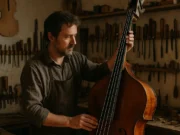







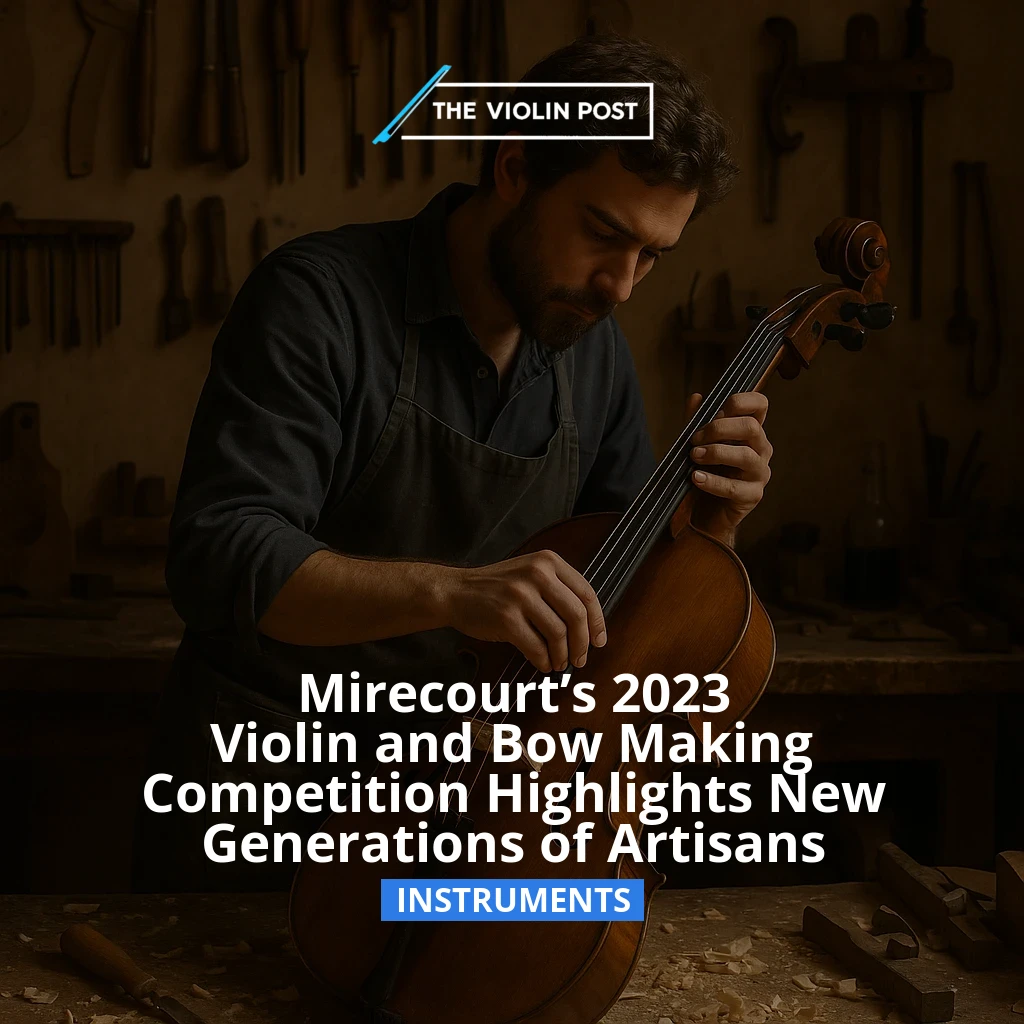
The realm of violin and bow making continues to thrive as the Mirecourt International Violin and Bow Making Competition unveiled its winners for 2023. Nestled in the historic town of Mirecourt, France—a place synonymous with centuries-old lutherie—the competition stands as an essential benchmark for excellence, innovation, and the perpetuation of artisanal heritage.
The Mirecourt Legacy and Its Role in Contemporary Lutherie
Mirecourt holds a distinguished place in the classical music and instrument-making world. Often termed the cradle of French violin making, this small town has nurtured generations of craftsmen who combine traditional techniques with modern approaches. The competition itself is more than just a contest; it is a vibrant forum where emerging makers and restorers demonstrate their skill, artistry, and deep understanding of materials and acoustics.
Participation in the competition demands not only technical proficiency but also a nuanced aesthetic sensibility. Entrants present finely crafted violins, violas, cellos, and bows, judged on criteria such as tone quality, finish, historical accuracy, and innovative interpretation. In doing so, they connect contemporary craftsmanship to a heritage that shapes the sound world of orchestras and soloists globally.
Recognizing Excellence and Inspiring Future Generations
The 2023 edition of the competition continues this tradition, shining a light on the talent and dedication required to sustain lutherie as both an art and a craft. Winners gain significant recognition that can propel their careers forward, often attracting commissions from soloists, orchestras, and collectors who seek instruments and bows of exceptional character and quality.
For performers and students, instruments produced or endorsed through such competitions represent not merely tools but trusted companions on their artistic journeys. Similarly, luthiers and bow makers draw inspiration and validation from the competition’s standards, which encourage ongoing refinement and innovation.
Broader Implications for the Classical Music Ecosystem
Competitions like Mirecourt serve a vital function within the ecosystem of classical music: they safeguard craftsmanship traditions, promote excellence, and support sustainable careers in a niche but crucial field. In an age when technological advancements influence instrument manufacturing, maintaining spaces that honor handcrafted quality is essential.
Moreover, the competition indirectly benefits audiences worldwide, who ultimately experience the fruits of this delicate craft in concert halls and recordings. A finely made instrument or bow enhances expressive capabilities, allowing musicians to communicate with greater nuance and emotion.
Future Perspectives
As the 2023 winners take their place among the ranks of skilled makers, the evolving narrative of violin and bow making continues. Their achievements encourage upcoming generations to study, experiment, and preserve this demanding craft. Institutions, conservatories, and lutherie schools also watch closely, as these competitions often reveal emerging trends and pedagogical priorities.
With Mirecourt’s cultural weight and its global reputation, each cycle of the competition reaffirms that despite the challenges facing artisanal vocations, dedication to quality and heritage remains a cornerstone of classical music’s future.
Why this matters
- It highlights the sustained importance of traditional craftsmanship within contemporary classical music culture.
- Violin and bow makers, performers, and educators alike benefit from the visibility and standards set by the competition.
- The announcement reinforces Mirecourt’s position as a key incubator for new generations of luthiers and bow makers.
- It supports the broader ecosystem by ensuring quality instruments continue to inspire and empower musicians.
- Observers should watch for how these winners influence trends in instrument making and restoration globally.
Related topics
- The role of competitions in shaping professional paths for young violin makers.
- How historical lutherie traditions inform modern instrument restoration techniques.
- The impact of bow making innovations on orchestral and solo performance practices.
Editorial Commentary
Instrument-centered articles are valuable because they connect sound, materials, construction, and performance practice. For specialists and enthusiasts alike, they provide insight into the physical objects that stand at the heart of musical interpretation.
Read in a broader way, this type of story helps explain why the history and evolution of the $instrument_label still matter today to makers, performers, collectors, educators, and serious listeners.
About The Violin Post
The Violin Post is an international editorial platform dedicated to violin making, classical performance, competitions, instruments, and the wider culture of the string world.
Its coverage connects news reporting with specialist context for readers interested in performers, makers, educators, institutions, and musical heritage.
Related Articles
- Integrating Instruments into Contemporary Classical Composition
- Joseph Conyers Returns to Savannah, Championing Double Bass Performance and Music Education
- Gary Karr Reflects on Sergey Koussevitzky’s Enduring Legacy in the String World
— The Violin Post Editorial Staff